Palestine: Belgium's ban on Israeli settlement products a commitment to justice
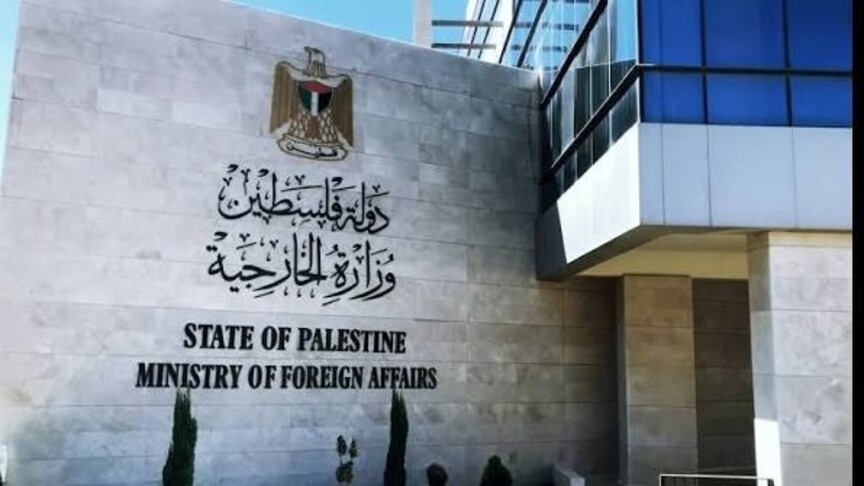
The Palestinian Ministry of Foreign Affairs and Expatriates called on all countries, parliaments, and legislators around the world to follow Belgium's lead.
RAMALLAH / Awad al-Rajoub / Anadolu
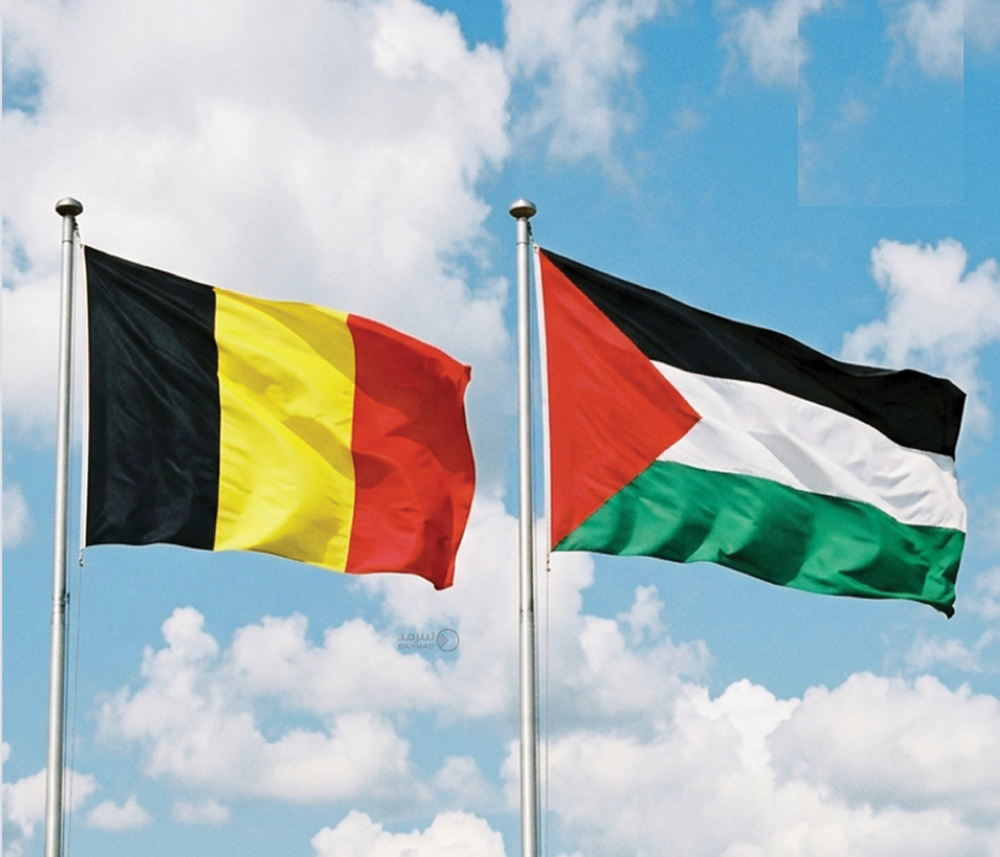
Palestine described Belgium's decision to ban imports of products from Israeli settlements in occupied territories as reflecting its commitment to the principles of international justice, calling on other countries to take similar steps.
In a statement issued Sunday, the Palestinian Ministry of Foreign Affairs and Expatriates welcomed the Belgian government's decision to ban imports of products from Israeli settlements.
The ministry said that the decision of the Belgian federal cabinet represents 'an advanced step consistent with the rules of international law' and reflects 'the commitment of the Kingdom of Belgium and its government to the principles of international justice and respect for international law.'
On Saturday, the Belgian news agency Belga reported that the federal cabinet approved, during its last meeting before the summer break, a ban on imports of products from Israeli settlements, without announcing the mechanism for implementing the decision or the date it would take effect.
The Palestinian Foreign Ministry explained that the decision is consistent 'with the advisory opinion issued by the International Court of Justice regarding the illegality of the Israeli occupation of the occupied Palestinian territory, including Jerusalem, and the obligation it imposes on states not to recognize the illegal situation arising from the occupation and colonization, or to provide any form of aid or assistance in its maintenance.'
It pointed out that the decision affirms that respect for international law 'is not a political discourse or a theoretical obligation, but a legal duty that requires taking practical measures, legislation, and policies to prevent contributing, directly or indirectly, to supporting the system of occupation and settlement.'
In July 2024, the International Court of Justice issued an advisory opinion stating that Israel's occupation of Palestinian territories and the construction of settlements in the West Bank are illegal, and that states should take steps to prevent trade or investment relations that help sustain this situation.
The Palestinian Foreign Ministry called for the Belgian decision to include all commercial, economic, financial, investment, and service activities linked to illegal settlements.
It said it follows with increasing interest the ongoing discussions within the European Union and works with countries to adopt similar measures to ban trade with Israeli settlements.
It also welcomed the growing European support for these legal measures 'as a practical translation of the International Court of Justice's advisory opinion and a necessary step to ensure that the colonial settlement system no longer benefits from trade relations with states.'
It called on all countries, parliaments, and legislators around the world to follow Belgium's lead, work on enacting legislation and adopting similar measures including bans on importing settlement products, preventing investment in them, stopping services, dealing with companies and institutions involved in colonial activity, and activating international accountability tools.
It demanded sanctions be imposed on 'colonists and their terrorist organizations, and on entities, individuals, and bodies that support colonization, contributing to ending the Israeli occupation and its colonial policies based on annexation, displacement, and genocide against the Palestinian people, thereby enhancing chances for peace and stability in the region.'
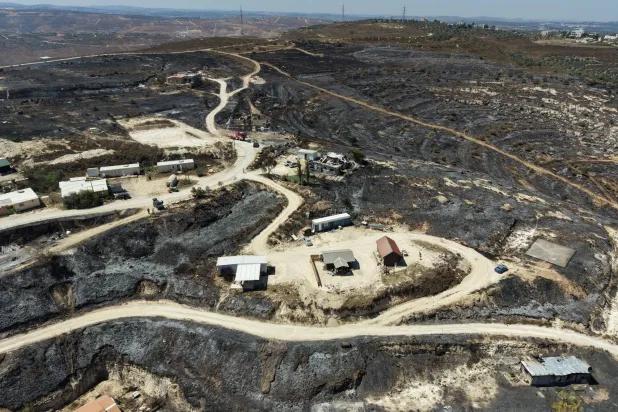
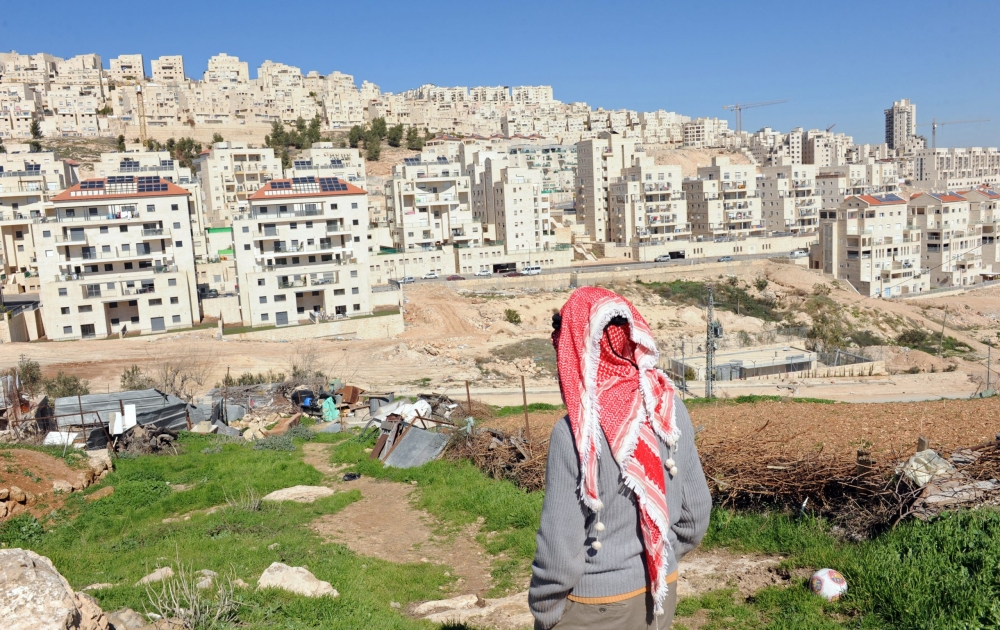
About 750,000 settlers live in 141 settlements and 224 outposts in the occupied West Bank, including occupied East Jerusalem, and they commit attacks aimed at forcibly displacing Palestinians.
Since October 2023, the West Bank has witnessed an escalation in attacks by the Israeli army and settlers, resulting in the killing of 1,181 Palestinians, injuries to about 13,000, and the arrest of nearly 24,000 Palestinians.
Original source: Anadolu Agency



Comments (0)
Be the first to comment.