Political / Joint European-Gulf Statement on the Strait of Hormuz and Freedom of Navigation
The European Union and the Gulf Cooperation Council issued a joint statement on July 13, 2026, reaffirming freedom of navigation in the Strait of Hormuz, condemning Iranian attacks, and calling for an immediate halt to all interference.
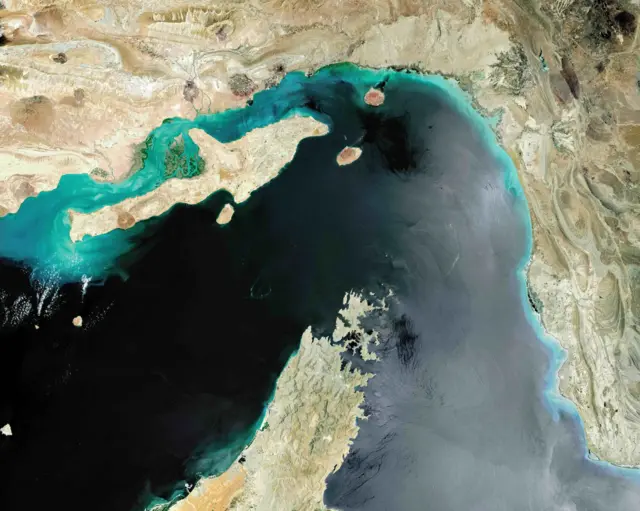
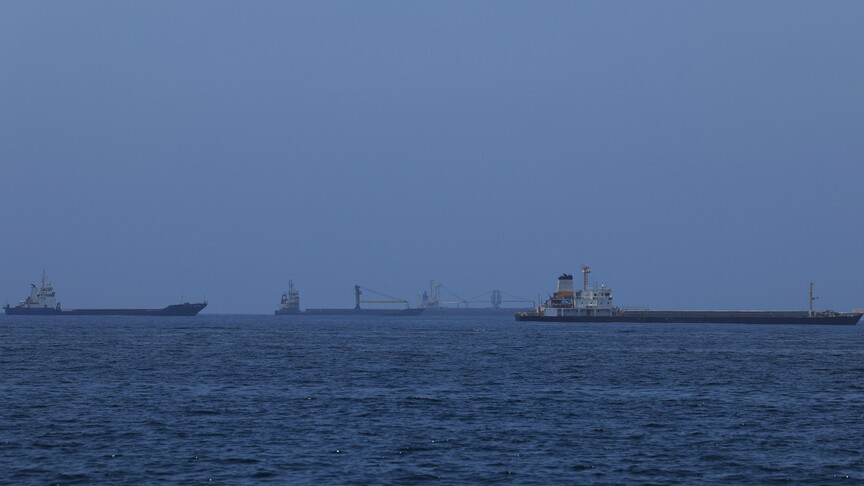
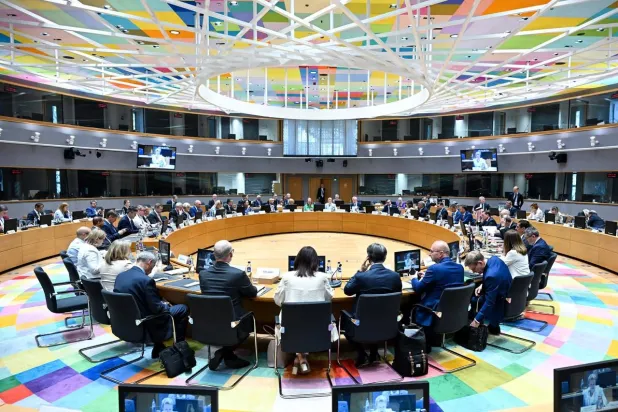
Brussels, 04 Safar 1448 H (July 18, 2026) – On the occasion of the High-Level Forum on Regional Security and Cooperation, held in Brussels on July 13, 2026, under the joint chairmanship of the High Representative of the European Union, Kaja Kallas, on behalf of the European Union, and His Excellency the Minister of Foreign Affairs of the Kingdom of Bahrain, Dr. Abdullatif bin Rashid Al Zayani, in his capacity as President of the Ministerial Council of the Gulf Cooperation Council, the High Representative of the European Union and the Presidency of the Gulf Cooperation Council issued the following joint statement: 1. The European Union and the Gulf Cooperation Council reaffirm that freedom of navigation, including the right of passage through the Strait of Hormuz as a strait used for international navigation, is guaranteed under international law, as reflected in the United Nations Convention on the Law of the Sea, and ships of all States enjoy these rights, and no State may suspend, obstruct, or subject them to any conditions. 2. We condemn in the strongest terms the attacks carried out by Iran against commercial vessels transiting the Strait of Hormuz and against the sovereign territories of regional states, including Bahrain, Kuwait, the United Arab Emirates, Qatar, the Sultanate of Oman, and Jordan. These attacks have endangered the lives of civilians and seafarers, violated international law and United Nations Security Council Resolution 2817, and are in no way justifiable. 3. We reject as unlawful any claims of sovereignty or control over the Strait of Hormuz by any State, and we oppose the imposition of any permit system, transit fees, or service charges on international navigation. No bilateral arrangement, understanding, or memorandum between States may unlawfully regulate or restrict the right of passage through an international strait, a right guaranteed to all States under international law, and it may not be subject to the control or authorization of any State. 4. We express our full solidarity with the States affected by these attacks and with seafarers of all nationalities who have been endangered. Any attack on the security of one State is a matter of concern for all parties that depend on the safety of this vital waterway. 5. We call on Iran to immediately and unconditionally cease all attacks and all forms of interference in maritime navigation, to keep the Strait of Hormuz sustainably open without any conditions, transit fees, or service charges, and to fully comply with international law and Security Council Resolution 2817. We also reject the imposition of any unilateral or unlawful mechanism or arrangement affecting the safety of transit through the strait. States must act within and support the competent international and regional institutions governing maritime navigation, safety, and security, particularly the International Maritime Organization. 6. The European Union and the Gulf Cooperation Council will continue close coordination to uphold freedom of navigation, support the protection of international shipping and seafarers, and promote just and lasting peace and security in the region, in accordance with international law and the United Nations Charter. 7. We continue to call for restraint, and we reaffirm our strong commitment to dialogue and diplomacy as the means to resolve the crisis and ensure freedom of navigation in the Strait of Hormuz. // End // 23:24 T M 0119
Brussels, 04 Safar 1448 H (July 18, 2026) – On the occasion of the High-Level Forum on Regional Security and Cooperation, held in Brussels on July 13, 2026, under the joint chairmanship of the High Representative of the European Union, Kaja Kallas, on behalf of the European Union, and His Excellency the Minister of Foreign Affairs of the Kingdom of Bahrain, Dr. Abdullatif bin Rashid Al Zayani, in his capacity as President of the Ministerial Council of the Gulf Cooperation Council, the High Representative of the European Union and the Presidency of the Gulf Cooperation Council issued the following joint statement: 1. The European Union and the Gulf Cooperation Council reaffirm that freedom of navigation, including the right of passage through the Strait of Hormuz as a strait used for international navigation, is guaranteed under international law, as reflected in the United Nations Convention on the Law of the Sea, and ships of all States enjoy these rights, and no State may suspend, obstruct, or subject them to any conditions. 2. We condemn in the strongest terms the attacks carried out by Iran against commercial vessels transiting the Strait of Hormuz and against the sovereign territories of regional states, including Bahrain, Kuwait, the United Arab Emirates, Qatar, the Sultanate of Oman, and Jordan. These attacks have endangered the lives of civilians and seafarers, violated international law and United Nations Security Council Resolution 2817, and are in no way justifiable. 3. We reject as unlawful any claims of sovereignty or control over the Strait of Hormuz by any State, and we oppose the imposition of any permit system, transit fees, or service charges on international navigation. No bilateral arrangement, understanding, or memorandum between States may unlawfully regulate or restrict the right of passage through an international strait, a right guaranteed to all States under international law, and it may not be subject to the control or authorization of any State. 4. We express our full solidarity with the States affected by these attacks and with seafarers of all nationalities who have been endangered. Any attack on the security of one State is a matter of concern for all parties that depend on the safety of this vital waterway. 5. We call on Iran to immediately and unconditionally cease all attacks and all forms of interference in maritime navigation, to keep the Strait of Hormuz sustainably open without any conditions, transit fees, or service charges, and to fully comply with international law and Security Council Resolution 2817. We also reject the imposition of any unilateral or unlawful mechanism or arrangement affecting the safety of transit through the strait. States must act within and support the competent international and regional institutions governing maritime navigation, safety, and security, particularly the International Maritime Organization. 6. The European Union and the Gulf Cooperation Council will continue close coordination to uphold freedom of navigation, support the protection of international shipping and seafarers, and promote just and lasting peace and security in the region, in accordance with international law and the United Nations Charter. 7. We continue to call for restraint, and we reaffirm our strong commitment to dialogue and diplomacy as the means to resolve the crisis and ensure freedom of navigation in the Strait of Hormuz. // End // 23:24 T M 0119
Original source: SPA

Comments (0)
Be the first to comment.