Qalibaf: If Iran is prevented from selling its oil, no one will sell oil in the region
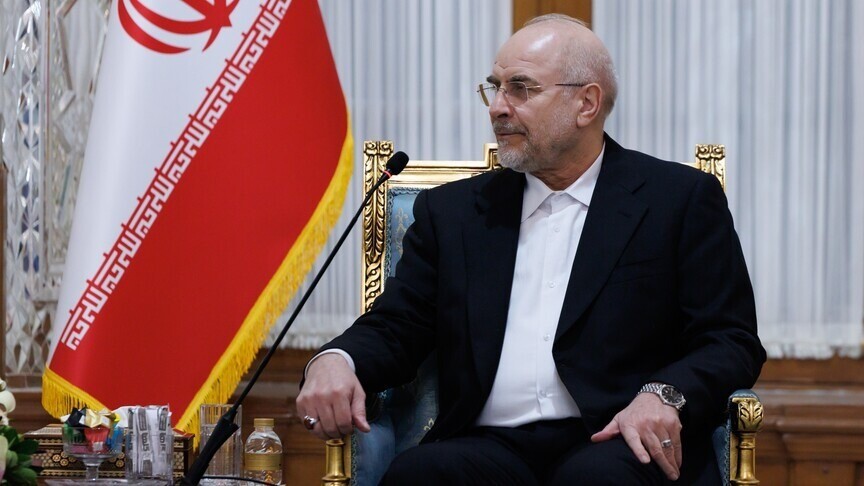
Iranian Parliament Speaker Mohammad Bagher Qalibaf said that the region's security will not be achieved if his country's security is not achieved
International
Qalibaf: If Iran is prevented from selling its oil, no one will sell oil in the region
Iranian Parliament Speaker Mohammad Bagher Qalibaf did not hesitate to emphasize that the stability of the region is contingent on achieving security for Iran, warning of the consequences of excluding his country.
These remarks come at a time of escalating tensions between Iran and the United States over the Strait of Hormuz, through which about a third of global oil supplies pass.
Haydar Şahin, Başar Bayatlı
July 22, 2026 • Updated: July 22, 2026
ANKARA
Ankara / Anadolu
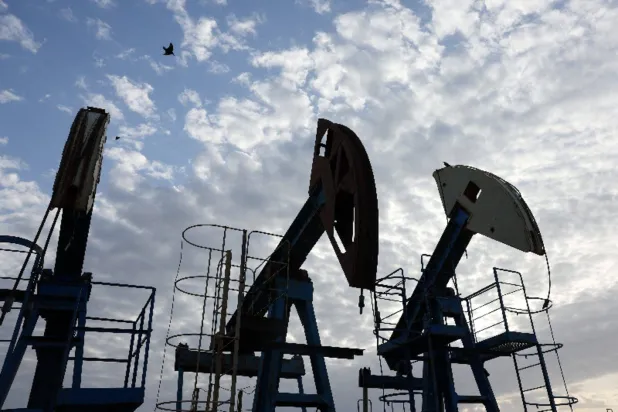
Qalibaf affirmed that if Iran is prevented from exporting its oil, all countries in the region will lose their ability to sell.
He stressed that security must be comprehensive, otherwise no party will enjoy it.
This came in a post on his account on the American company X platform, Wednesday.
In a comment on the Strait of Hormuz file and oil exports, he said the equation is clear: either all or no one.
He added: 'In a region where we do not sell our oil, no one will sell oil. And if our security is not achieved, no infrastructure will be safe.'
Qalibaf considered that the security of the Strait of Hormuz is linked to the absence of American forces.
He continued: 'We have repeatedly stressed that the situation in the strait will not return to what it was before the war.'
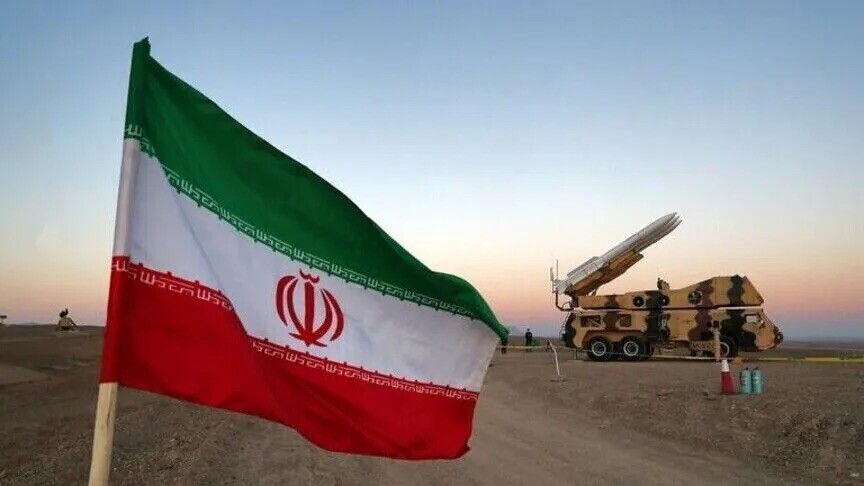
For days, the United States has been launching successive waves of strikes on sites inside Iran, while Tehran responds with missile and drone attacks on military bases, facilities, and sites it says are linked to Washington in countries in the region.
The escalation comes despite Washington and Tehran signing a memorandum of understanding last June that included a cease-fire and the start of negotiations to reach a broader agreement.
However, US President Donald Trump announced on July 8 of this month the end of the ceasefire, after tankers in the Strait of Hormuz were attacked, which Washington accused Tehran of being behind, leading the United States to resume its strikes inside Iran amid escalating Iranian responses in the region.
Washington demands that Tehran stop attacking ships and ensure freedom of navigation through the Strait of Hormuz, while Iran insists on subjecting ship passage to a mechanism it regulates through the waterway overlooking its coasts, exacerbating fears of disruption of oil and gas exports from the region.
Earlier Wednesday, US President Donald Trump threatened to bomb infrastructure sites in Iran, including bridges and power plants, in response to any attack Tehran might launch on ships or navigation in the Strait of Hormuz.
Qalibaf's remarks carry significant political weight as he holds a high legislative position, reflecting a tough official stance. Oil exports are the lifeblood of the Iranian economy, and any threat to close the strait could lead to sharp fluctuations in energy markets. Moreover, the absence of US forces from the strait, as Qalibaf demands, is a red line for Washington and its allies. These statements are likely to continue within the framework of mutual psychological warfare, without necessarily leading to a direct military confrontation, as long as diplomatic channels remain open.
Original source: Anadolu Agency

Comments (0)
Be the first to comment.