Iran warns US of expanding war if nuclear facilities targeted
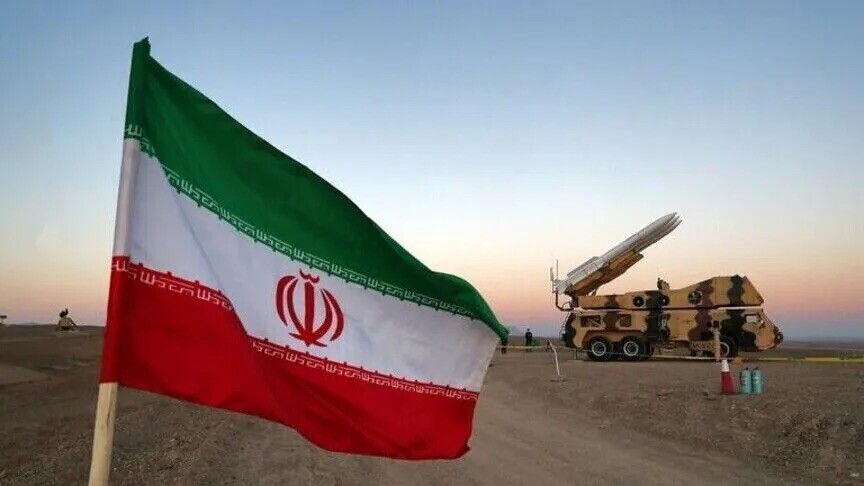
Tehran / Anadolu
- The warning came after Trump's statement that the US would strike an area near the Natanz nuclear facility
- Khatam al-Anbiya headquarters said that Washington's allies and interests in the region would become targets if the attack is carried out
Iran warned the United States against attacking its nuclear facilities, saying it would consider any such step as expanding the war in the region.
This came in a statement issued on Wednesday by the central Khatam al-Anbiya headquarters, the body responsible for managing war within the armed forces, in response to US threats to target nuclear facilities in Iran.
The statement said that any US attack on Iranian nuclear facilities would be considered an expansion of the war in the region.
It added that all of Washington's allies and interests in the region would become targets if the attack is carried out.
Yesterday, Tuesday, US President Donald Trump threatened to launch a strike "soon" on a site near the Natanz uranium enrichment facility in central Iran.
The site Trump threatened to strike is known as "Mount Axe", an underground nuclear site, and Western intelligence agencies claim Iran is building an undeclared enrichment facility there.
For about two weeks, the United States has been launching successive waves of strikes on Iran, and the latter responds with attacks on military bases, installations and sites it says are linked to Washington in countries in the region.
The escalation comes despite Washington and Tehran signing a memorandum of understanding in June last year that included a cessation of hostilities that began on February 28 last year, and the launch of negotiations to reach a broader agreement.
But Trump declared on July 8 the end of the ceasefire after tankers in the Strait of Hormuz were attacked, which Washington accused Tehran of being behind, prompting the US to resume its strikes inside Iran.
Washington demands that Tehran stop attacking ships and "ensure freedom of navigation through the Strait of Hormuz," while Iran insists on subjecting the passage of ships to a mechanism it regulates through the strategic waterway, exacerbating fears of disruption to oil and gas exports from the region.
Washington supports the passage of commercial ships through the Strait of Hormuz on a route different from that set by Iran, which Tehran rejects, asserting that it will target any ship that does not coordinate with it before crossing this strategic strait for global energy supplies.
Original source: Anadolu Agency
Comments (0)
Be the first to comment.