Revealing the Cost of the Iran War So Far and Heated Verbal Exchanges: What Took Place in Congress
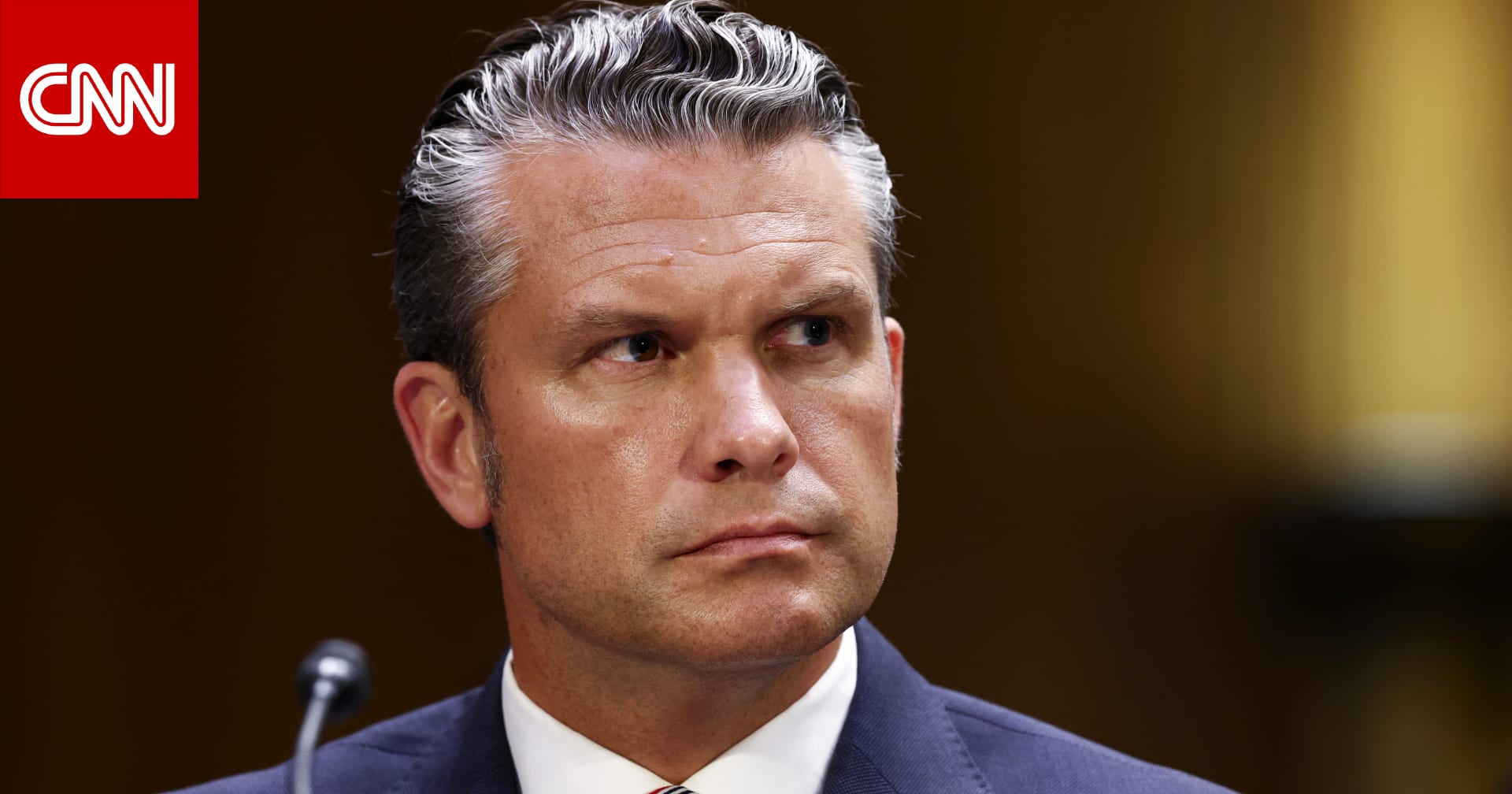
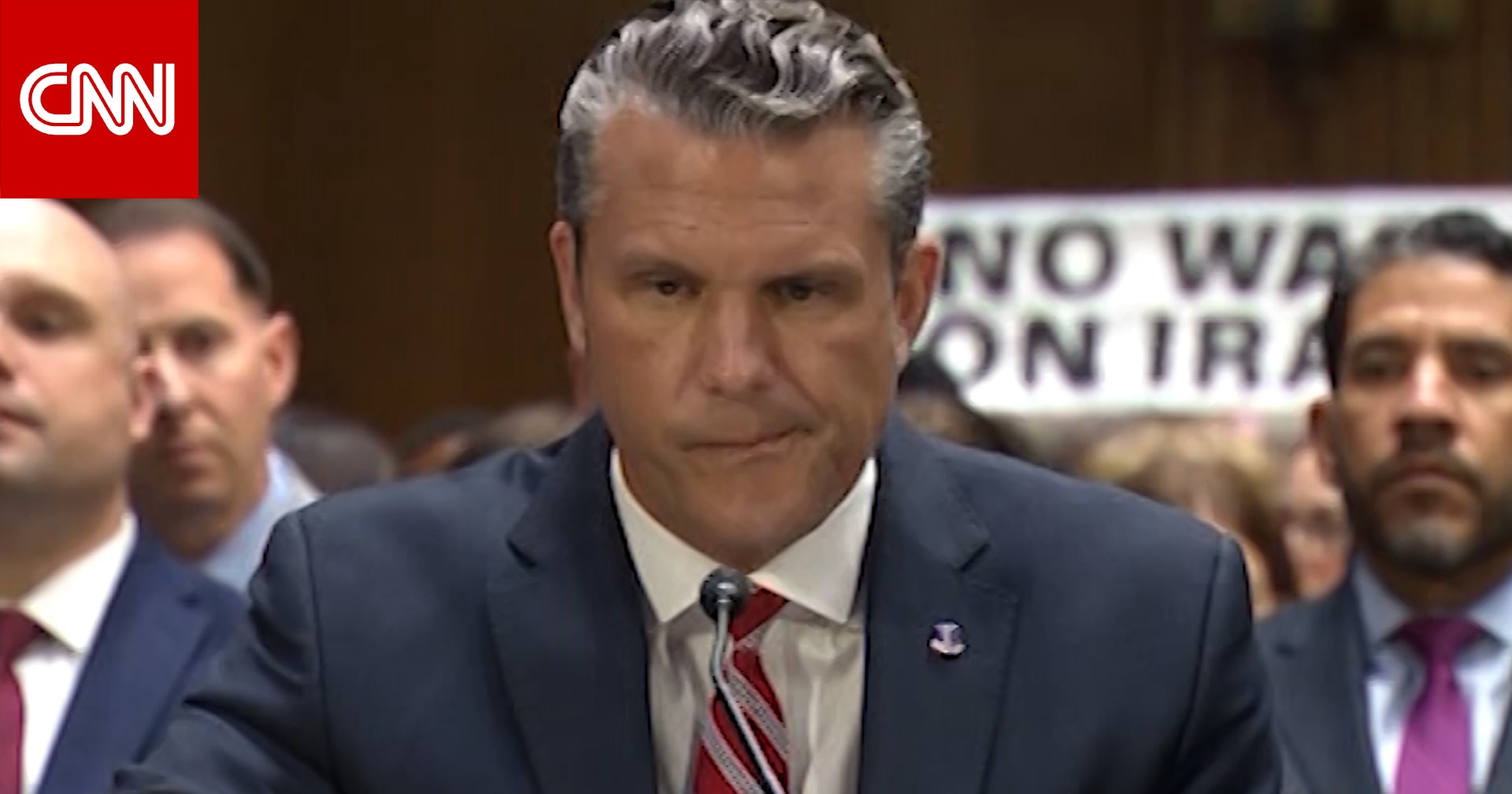
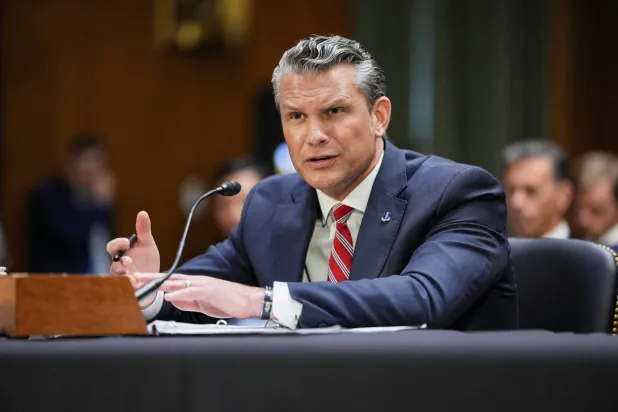
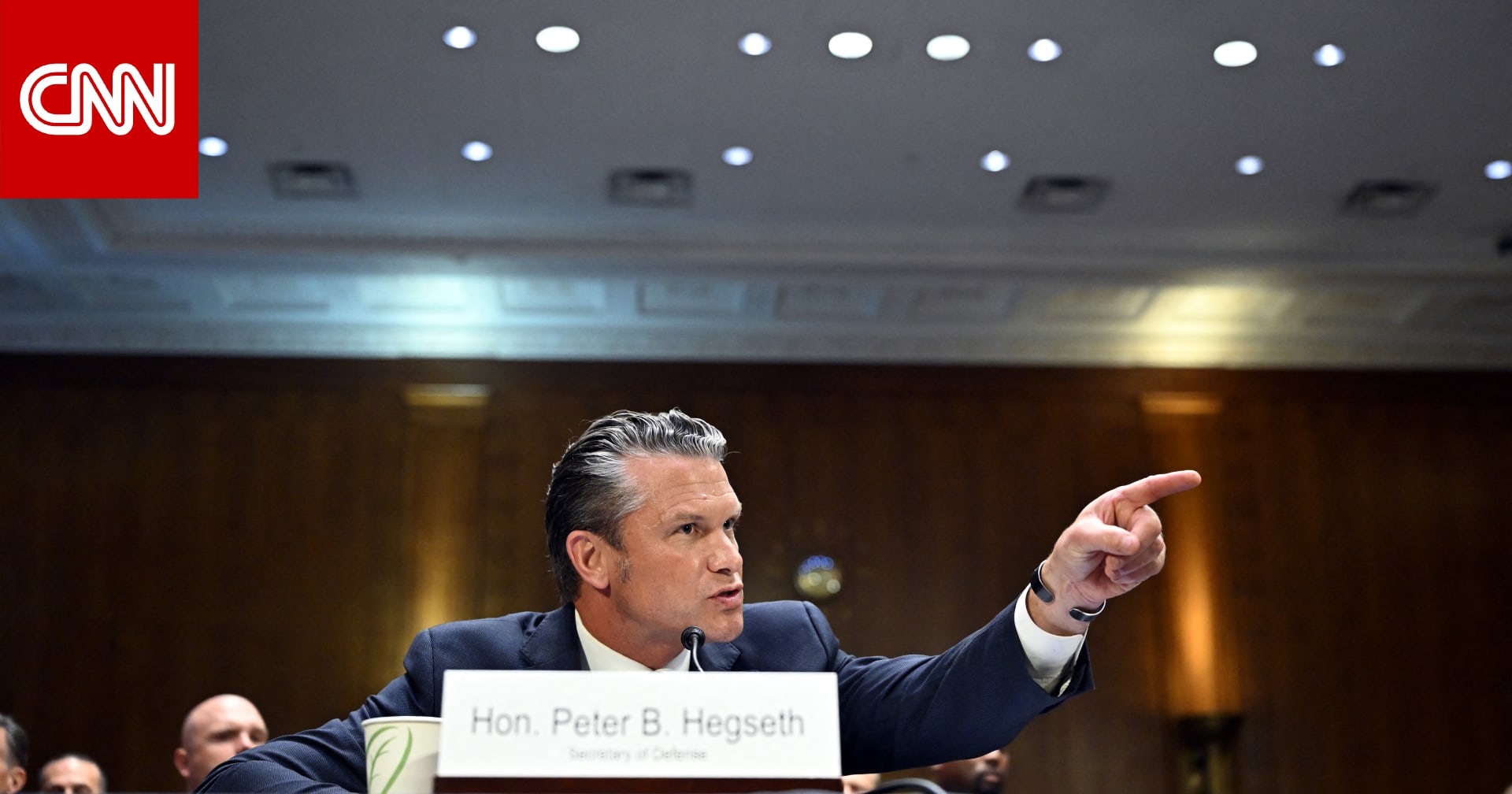
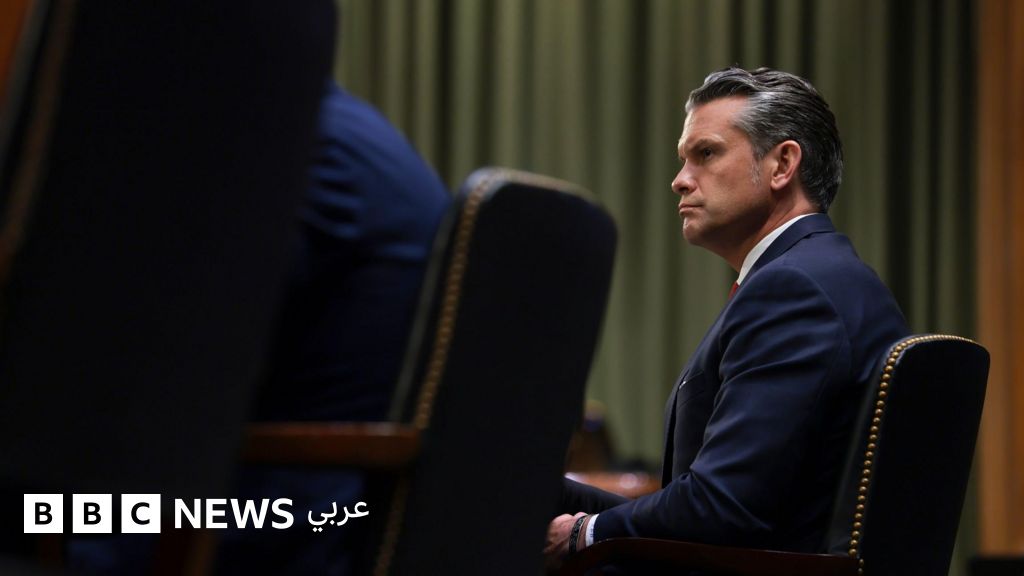
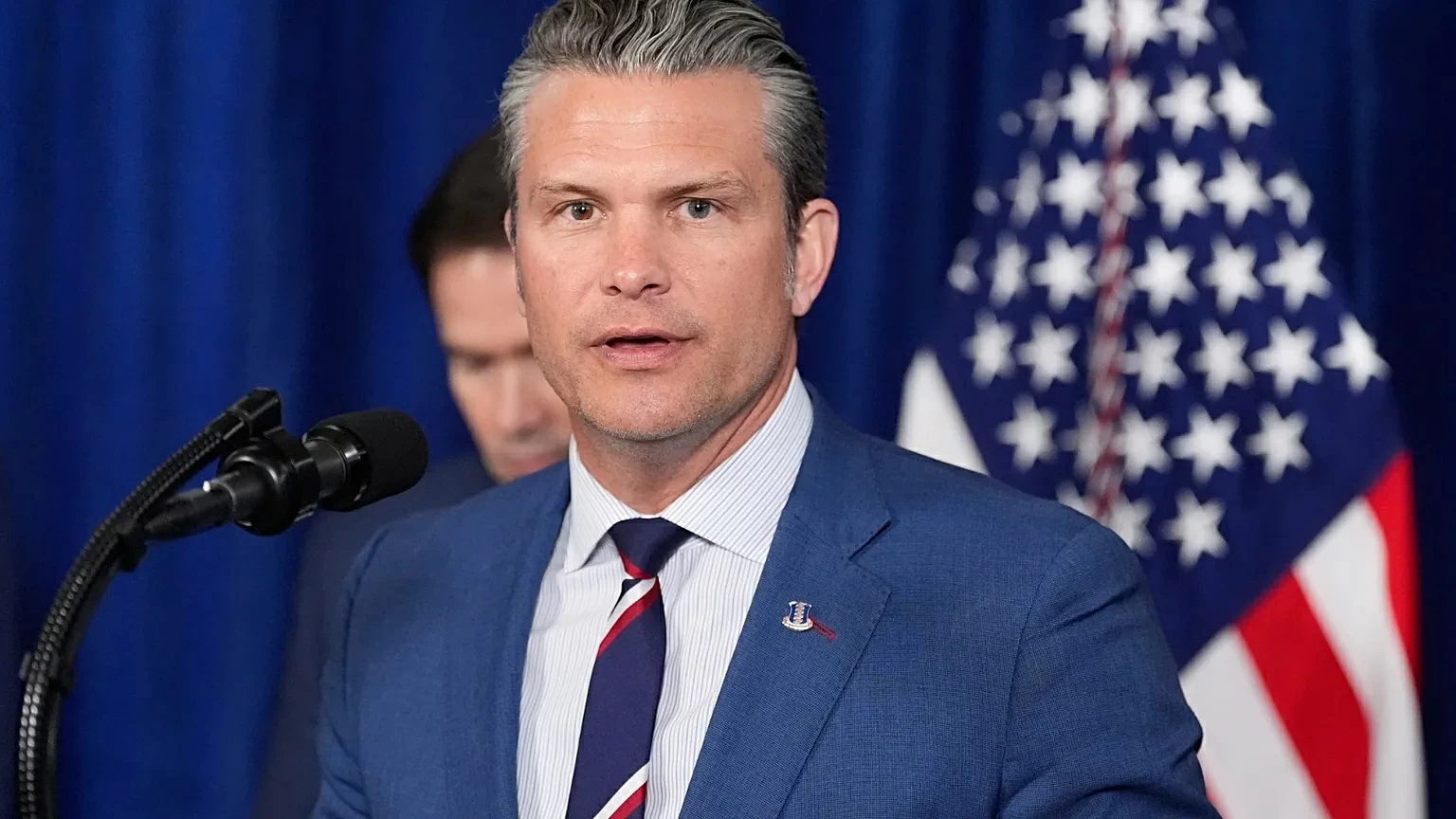
(CNN)-- U.S. Secretary of Defense Pete Hegseth and Chairman of the Joint Chiefs of Staff Gen. Dan Caine testified before a key Senate committee for the first time since the renewed escalation of the conflict between the United States and Iran this month.
The two officials sought tens of billions of additional dollars to fund the war.
Here are the highlights from the session:
Funding: Hegseth stated before the Senate Appropriations Committee that the war has cost the United States $37.5 billion, but the actual cost may be much higher, according to experts who previously spoke to CNN. He explained that part of this cost covers expenses—such as troop meals—that extend through the end of the fiscal year.
Strait of Hormuz Strategy: Hegseth testified that U.S. military efforts to guide ships through the Strait of Hormuz continued in a 'secret' manner after being announced in May, and that these efforts helped secure the transit of up to 500 million barrels of oil through the strategic waterway, with the United States maintaining control despite Iranian attacks.
Involvement of Russia and China: Hegseth said that China and Russia contribute—'to varying degrees'—to enabling some Iranian activities, adding: 'There are many ways to deter that... but the depth and scope of these activities must remain classified.'
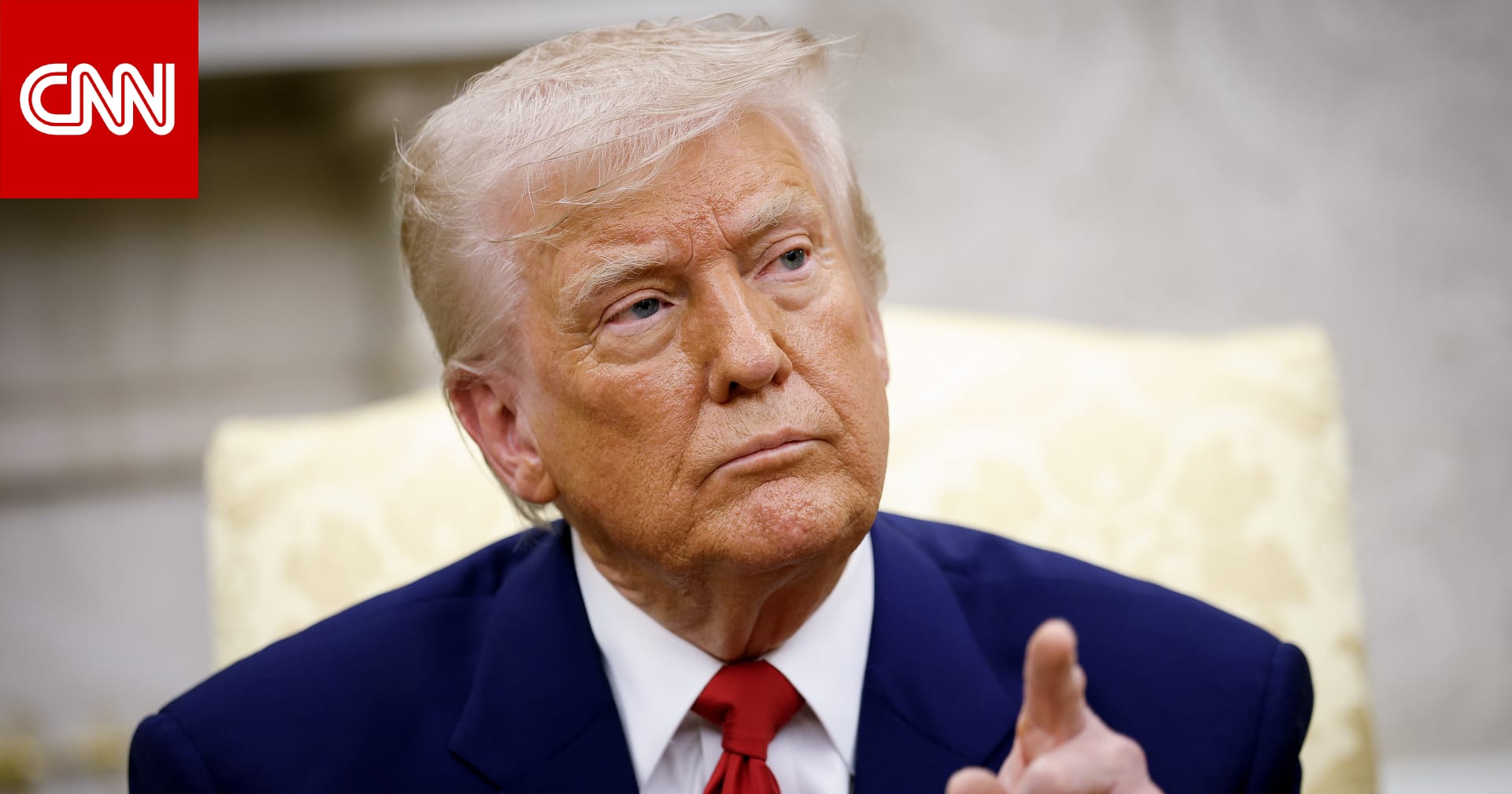
Iranian Nuclear Targets: When asked about the U.S. military's ability to strike the suspected Iranian nuclear facility located under 'Mount Axe,' Hegseth avoided a direct answer, saying that 'many of our capabilities are classified as secret information.' Earlier today, U.S. President Donald Trump stated that the United States would strike the target 'very soon.'
Human Casualties: Gen. Caine informed lawmakers that he would present Trump with 'appropriate options and risks to choose from' regarding the course of the war, stressing that human casualties are always an important factor to consider.
Heated Reactions: In a tense exchange, Democratic Senator Gary Peters of Michigan sharply criticized Hegseth's leadership, calling him a failure, and raised concerns about the administration's strategy in the war.
Questioning the Justifications: In another tense confrontation, Democratic Senator Kirsten Gillibrand pressed Hegseth on the war's justifications; the New York lawmaker accused Hegseth of misleading the public about the destruction of Iran's missile launch capabilities, while Hegseth accused the senator of 'trying to prepare campaign propaganda materials.'
Original source: CNN Arabic
Comments (0)
Be the first to comment.