Rules of Engagement and Spider Webs

Abdul Rahman Al-Tuwaijri
Rules of Engagement and Spider Webs
21 July 2026 - 00:00 | Last update 21 July 2026 - 00:00
Follow Okaz channel on WhatsApp
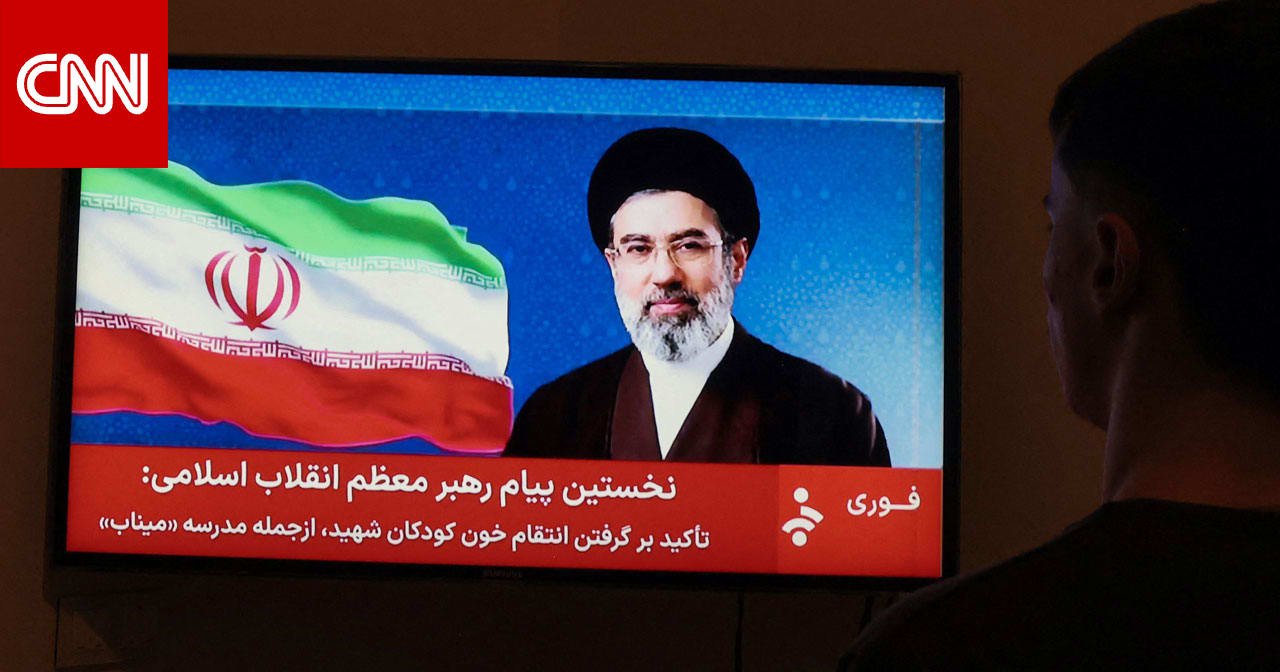
The memorandum of understanding between the US and Iran seems to have not lasted a month. The memorandum signed on the 18th of last month (June) after seven days of the start of the World Cup hosted by the United States, where Mojtaba Khamenei (the absent guide) declared that it had effectively ended, although the US side believes that the breach was from the Iranian side when it targeted ships that took a route adjacent to Oman as a pretext, considering that they violated the right due to it according to its interpretation of Article 5 of the memorandum.
There is no doubt that the Americans wanted calm in line with the World Cup, even if that did not happen entirely, in addition to seeking to avoid requesting an extension of military action from Congress after the sixty-day deadline granted to the president without recourse to Congress, and of course the Iranians suffered from a suffocating siege around the Strait of Hormuz, and the siege of Hormuz is something they have often done and sought over the past decades.
Before the revolution, the Iranian regime used it as a tool to enhance its economy as a major corridor for oil and goods, until the Khomeinist revolutionary mentality turned it into a tool of prevention and blackmail, whether for the neighboring Arab neighbor, or for the European and Asian who are affected by oil prices, but Trump's reaction by besieging their ports was something they could not bear its economic consequences.
When Iran fired the first shot breaking the truce, it was an attempt to establish a fait accompli with permanent control of the strait; that did not reflect the amount of economic damage and impact on exports, imports, currency, and poverty lines that are still dragging millions of Iranians beneath them, but rather indicated that when the memorandum was signed, its motive was to obtain billions of dollars directly.
Everyone looks at the military results and what a missile caused here and what a drone left there, and they forget that the most painful scenario for Tehran is an American decision that the war is over and President Trump is victorious, but there is no horizon for an agreement with the Iranian regime, and thus no removal of sanctions. The war-wounded is burdened with wounds that cannot be healed except by dollars, even if the sound of his screaming is loud.
In practice, the war set Iran back decades and raised the cost of reconstruction to nearly half a trillion, and this does not measure people's homes and livelihoods, but all the costs on infrastructure and bridges, and the most important bridge whose targeting caused much pain is the railway bridge that constituted the sole lifeline during the siege of Iranian ports, which is the "Akhtikeh Han" bridge linking Tehran to Beijing via Turkmenistan and Kazakhstan, which Moscow also used to transport "goods" starting last year.
The Iranian reaction by targeting the Gulf countries and Jordan is not surprising, but it was noteworthy to reflect on what the Iranian mind came up with, by repeating the model of unifying arenas and resorting to Arab blood to defend the survival project of the Revolutionary Guard regime even at the expense of its people. The Kingdom announced the success of its customs at the Arar border crossing in seizing 42 km of shabu, suggesting an attempt to replace the role of Bashar al-Assad, the president of Captagon.
Also emerging are attempts by the Revolutionary Guard to export weapons and experts to Yemen via civilian aircraft, which strengthens a desire to create turmoil in the Bab el-Mandeb Strait and thus expand the battle with the United States, and the choice of civilian aircraft is evidence of the extent of the American siege on ports and the strait and undermining opportunities to pump blood into Houthi veins.
Iran's methodology in war recognizes key things, first that time is against it without the entry of any rapid resources through an agreement, so internal explosion is a matter of time. It also recognizes that China and Russia's support is limited and tied to the two sides' interest in not falling; because the survival of the Iranian regime for a longer period in the battle means a longer drain on Washington, and the fall of the regime is a strategic loss whose impact will not stop at cutting the belt and blocking the road.
Thus, it needs a victory speech for the internal audience and deluding those who wish to delude abroad, while causing damage to America through its allies and with a cross-border effect as happened to its soldiers in Jordan, without that meaning the folly of attacking American aircraft carriers in the Arabian Sea, or striking American refueling planes lined up on Israeli runways.
In other words, it observes certain ceilings in the rules of engagement, knowing that its house is weaker than a spider's web, hence the phrase "the most important thing is internal cohesion" slipped from all its officials in recent days, from Qalibaf to the Supreme Leader; because there is an awareness that tampering with the rules of engagement will bring greater support from NATO, and perhaps a repeat of the scenario of breaking the siege of Sarajevo after the siege lasted four years, then NATO forces began bombing Bosnian Serb positions, leading them to defeat and surrender.
Original source: Okaz

Comments (0)
Be the first to comment.