Saudi Arabia and US Strengthen Alliance with Historic Nuclear Agreement
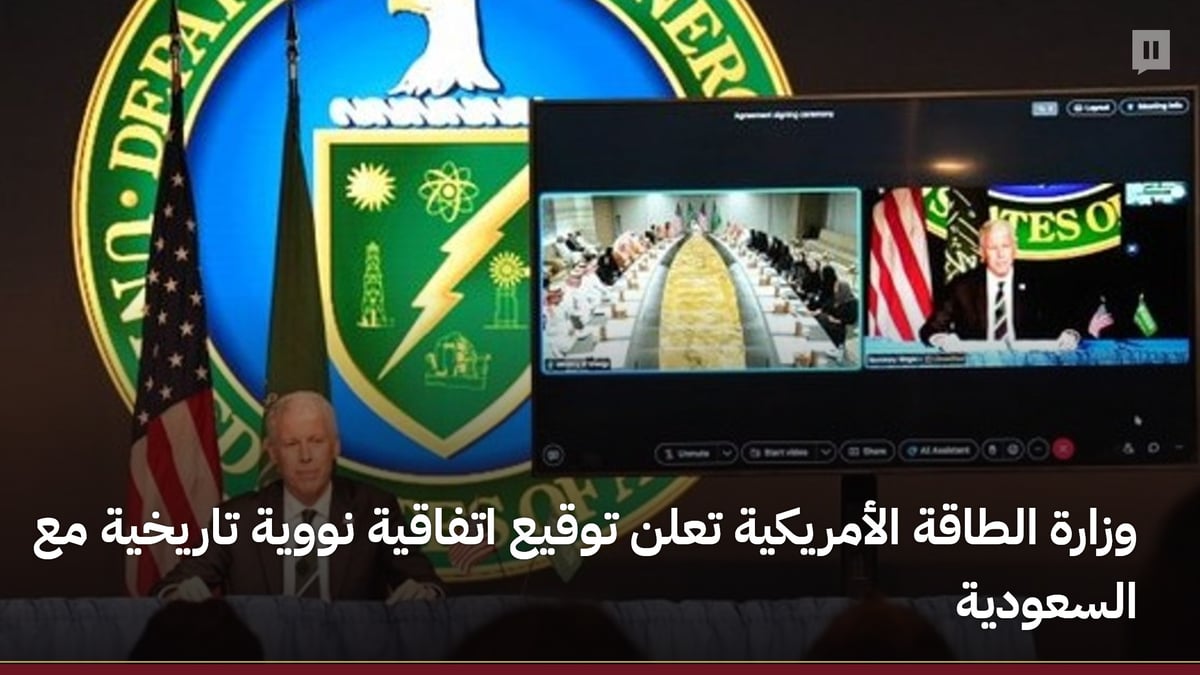
وقعت السعودية والولايات المتحدة اتفاقية للاستخدامات السلمية للطاقة النووية وضماناتها، تتويجاً للمفاوضات المشتركة ودعماً للروابط الاقتصادية والاستراتيجية بين البلدين وتطوير قطاعات الطاقة المتطورة.
The Kingdom of Saudi Arabia and the United States of America signed an agreement for cooperation in the peaceful uses of nuclear energy, along with a bilateral agreement on nuclear safeguards, in a step that establishes a legal and strategic framework for civil nuclear cooperation between the two countries and strengthens their long-standing partnership in the fields of energy and advanced technologies.
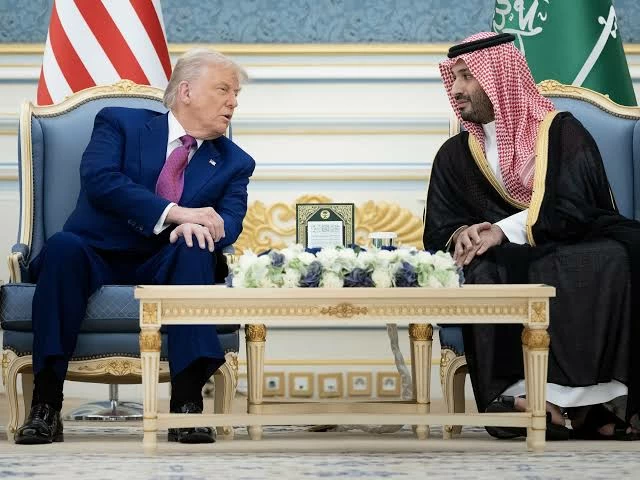
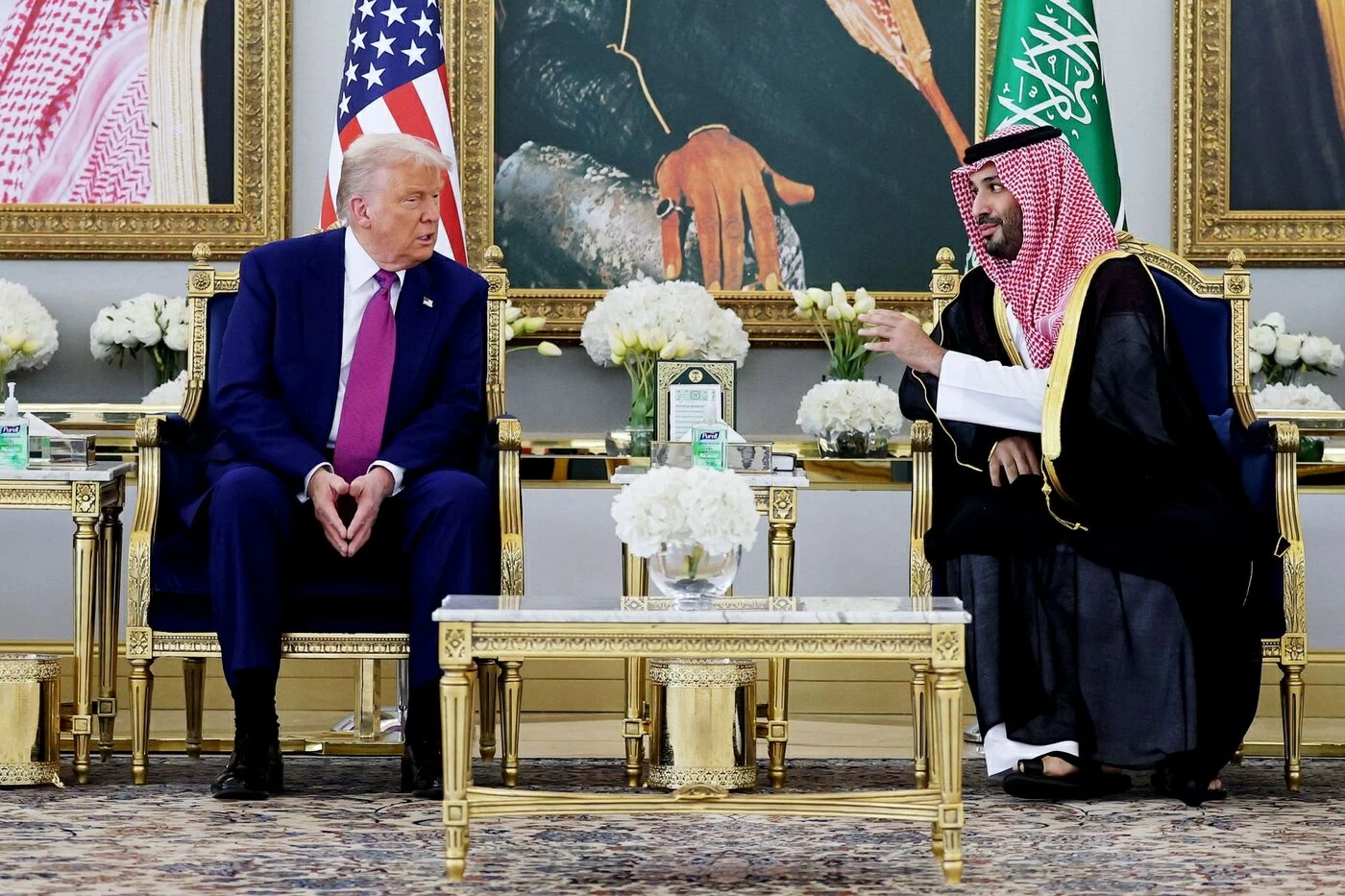
The signing of the agreement follows up on what was announced during the visit of His Royal Highness Prince Mohammed bin Salman bin Abdulaziz Al Saud, Crown Prince and Prime Minister - may God protect him - to the United States last November, regarding the completion of negotiations related to cooperation in the peaceful uses of nuclear energy.
Follow the story: From the Crown Prince's visit to the signing of the agreement.. How did the journey of Saudi-American nuclear cooperation reach completion?
The agreement was signed by His Royal Highness Prince Abdulaziz bin Salman bin Abdulaziz, Minister of Energy, Minister of Industry and Mineral Resources, and US Secretary of Energy Chris Wright. The agreement is known in the United States as the "123 Agreement" and represents the legal framework that regulates civil nuclear cooperation between the two countries, while the two sides also signed a bilateral agreement on nuclear safeguards to enhance nuclear safety, security, and non-proliferation standards.
The agreement aims to enhance cooperation in the peaceful uses of nuclear energy, support the exchange of expertise, knowledge, and technologies, contributing to the development of joint cooperation in accordance with the highest international standards of nuclear safety, security, and non-proliferation. It reflects the shared vision of the two countries to expand cooperation in energy and future technologies and support sustainable development.
The US Department of Energy affirmed that the agreement grants American companies a key role in implementing the Saudi civil nuclear program, supporting US exports and providing economic and industrial opportunities, in addition to contributing to meeting the Kingdom's energy needs and enhancing long-term energy security.
The Department added that the agreement, along with the nuclear safeguards agreement, establishes the highest standards of nuclear safety and security, and relies on American technologies and expertise in developing the Saudi civil nuclear program, thereby strengthening strategic cooperation between Riyadh and Washington.
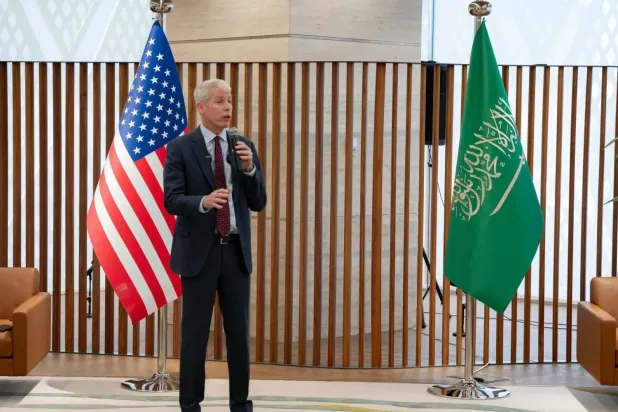
For his part, US Secretary of Energy Chris Wright said that the agreements reflect the two countries' commitment to enhancing commercial and strategic relations, noting that they will provide long-term economic benefits for both the Saudi and American people, while adhering to the highest standards of nuclear safety and non-proliferation.
The US Department of Energy also explained that the agreement will contribute to expanding US nuclear technology exports, creating jobs in the United States, in addition to strengthening the strategic partnership between the two countries in the energy sector.
The agreement represents an extension of the existing cooperation between the Kingdom and the United States in the energy sector, and supports efforts to diversify energy sources, develop advanced technologies, and enhance cooperation and investment opportunities to achieve the common interests of the two countries.
The agreement is scheduled to be referred to the US Congress for review and completion of the procedures stipulated in US law before it enters into force.
Original source: Ajel.sa



Comments (0)
Be the first to comment.