Saudi-US Agreement on Peaceful Uses of Nuclear Energy

في خطوة تعزز الشراكة الاستراتيجية، أبرمت السعودية والولايات المتحدة اتفاقية للتعاون في مجال الاستخدامات السلمية للطاقة النووية، استكمالاً لما أعلن خلال زيارة ولي العهد إلى واشنطن في نوفمبر الماضي، وتركز الاتفاقية على تبادل الخبرات والتقنيات وفق أعلى المعايير الدولية.
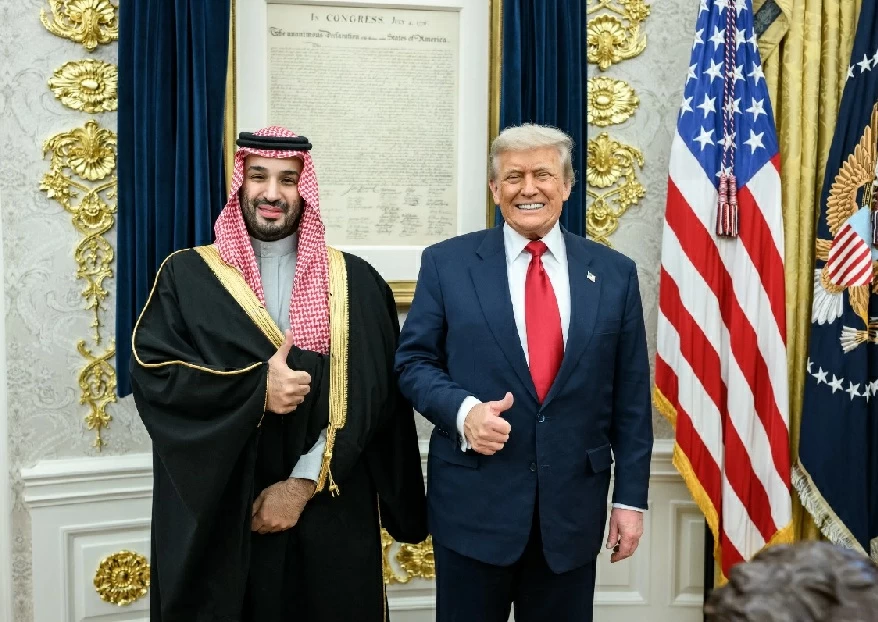
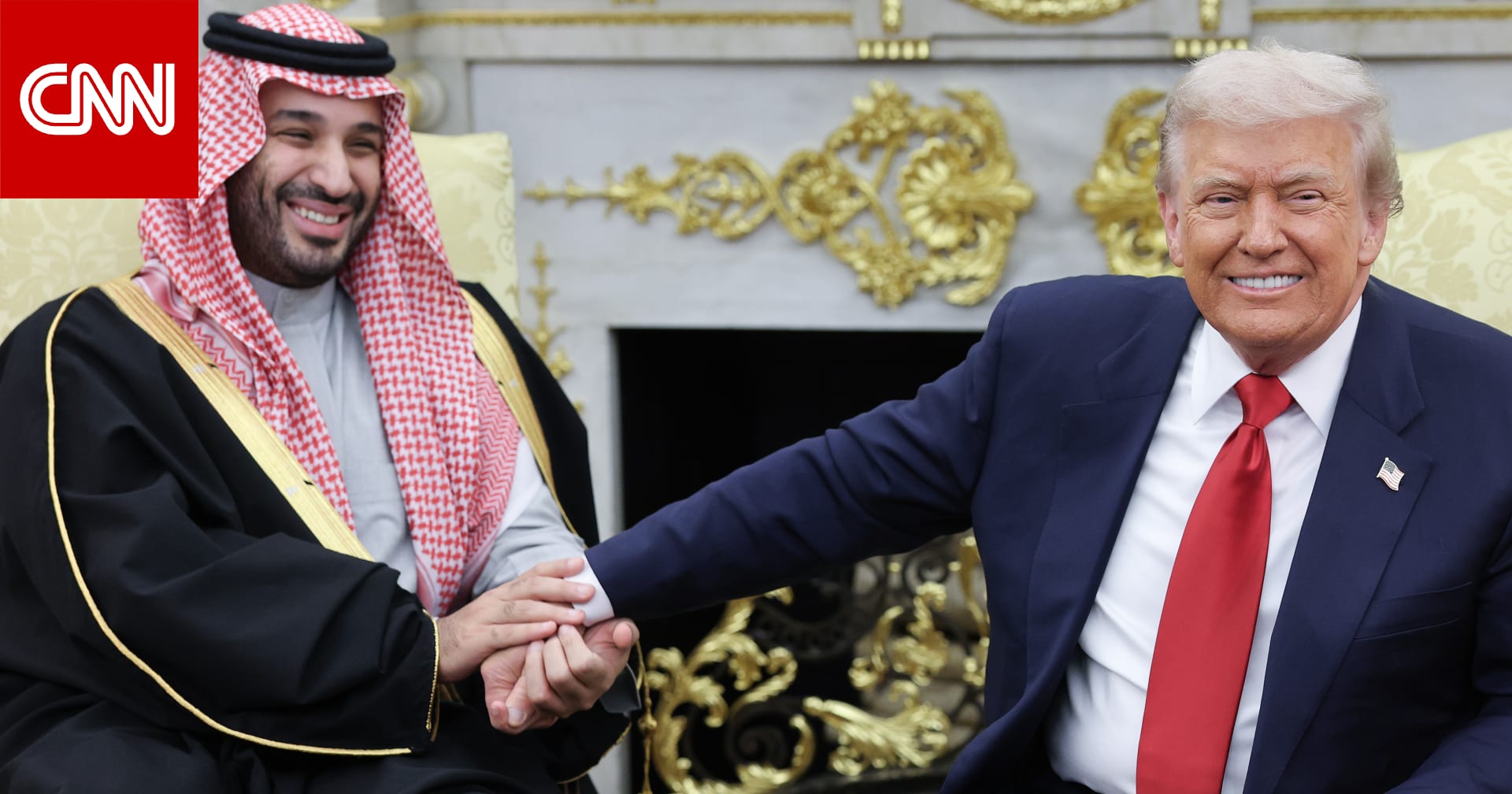
The governments of Saudi Arabia and the United States of America signed on Wednesday a cooperation agreement on the peaceful uses of nuclear energy, within the framework of the strategic partnership between the two countries, and as a follow-up to what was announced during the visit of Saudi Crown Prince Mohammed bin Salman to the United States last November regarding the completion of negotiations on peaceful nuclear cooperation, enhancing bilateral cooperation in the fields of energy and advanced technologies.
Read also: Saudi Arabia and the US... A massive defense deal and agreements on nuclear energy and artificial intelligence
The agreement was signed by Minister of Energy and Minister of Industry and Mineral Resources Prince Abdulaziz bin Salman, and US Secretary of Energy Chris Wright.
Wed, 03 2026
Support for transfer of nuclear expertise and technologies
The agreement aims to enhance cooperation between the two countries in the field of peaceful uses of nuclear energy, and to support the exchange of expertise, knowledge, and technologies, contributing to the development of joint cooperation in accordance with the highest international standards related to nuclear safety, security, and non-proliferation, and reflecting the shared vision of Saudi Arabia and the United States towards expanding cooperation in the fields of energy and future technologies and supporting sustainable development.
Saudi Arabia enters a new phase in diversifying energy sources
Saudi Arabia has entered a new phase in diversifying energy sources by starting nuclear reactor projects to meet the large demand for electricity, as specialists agreed on the importance of diversifying energy sources in new, clean, unconventional ways such as those available in nuclear reactors, after the international community expressed its support for Saudi Arabia in establishing these projects for peaceful purposes.
The Saudi Council of Ministers had approved on March 13, 2018 the national policy for the atomic energy program in Saudi Arabia, which included restricting all atomic development activities to peaceful purposes, within the limits of the frameworks and rights defined by international legislation, treaties, and agreements, as well as full commitment to the principle of transparency in regulatory and operational aspects.
Tue, 21 2026
This is in addition to achieving nuclear safety and security standards in nuclear and radiation facilities, according to an independent regulatory and supervisory framework, optimal exploitation of national natural resources of nuclear ores, and application of the best international standards and practices for radioactive waste management, in addition to achieving sustainability by developing local content in the atomic energy sector.
At that time, the Council also decided to approve the regulation of the Nuclear and Radiological Regulatory Authority, and to refer the draft laws (Civil Liability for Nuclear Damage Law, and the Law on Control of Nuclear and Radiological Uses) to the Shura Council for study according to applicable regulatory procedures.
Returning to experts, they confirmed during their talk to Al-Eqtisadiah at the time that many countries expressed their readiness to provide nuclear energy in Saudi Arabia through the construction of reactors, such as Russia, France, the US, and others, considering it a legitimate right to provide clean and sustainable alternatives to energy, especially since Saudi Arabia has given utmost importance to nuclear safety and security in addition to the strict oversight it will follow in these reactors.
Massive investments expected in nuclear supply chains
The agreement is expected to open the door to massive investments in nuclear supply chains, including the establishment of engineering and industrial facilities, and the development of local companies working in the manufacturing of components and support services, creating thousands of specialized jobs for engineers, technicians, and researchers, and enhancing the contribution of the industrial sector to the GDP.
Saudi Arabia possesses reserves of uranium ores and seeks to benefit from them within its peaceful nuclear program, giving it an opportunity to build an integrated value chain starting from exploration of mineral resources to the production of nuclear fuel in accordance with international frameworks and obligations, enhancing supply security in the long term.
Nuclear energy will also reflect on other vital sectors, as its use is not limited to electricity generation but extends to seawater desalination, low-emission hydrogen production, support for heavy industries, in addition to medical, research, and agricultural applications, broadening its economic and developmental impact.
The agreement aligns with Saudi Arabia's strategy aimed at achieving a balanced mix of energy sources, combining oil, gas, renewable energy, and nuclear energy, ensuring sustainable electricity supplies, reducing carbon emissions, and achieving net-zero targets by 2060.
The peaceful nuclear agreement with the United States is not merely technical cooperation; it represents a strategic pillar to enhance energy security in Saudi Arabia, support economic diversification, raise the competitiveness of the industrial sector, and solidify Saudi Arabia's position as a leading regional country in peaceful nuclear energy technologies, enhancing its ability to meet development needs for decades to come.
Tue, 07 2026
In the capital, Riyadh.
E33J36jXIAYICYd
Saudi energy mix aims to diversify sources
Saudi Arabia aims to build a balanced and sustainable energy mix that ensures meeting the growing demand for electricity, while maintaining its position as the world's largest oil exporter and maximizing the economic value of its hydrocarbon resources. The energy mix is one of the main pillars of Saudi Vision 2030 and the National Transformation Program, by diversifying electricity generation sources and enhancing energy security and sustainable economic development.
The energy mix strategy is based on diversifying electricity generation sources by relying on natural gas, renewable energy, and peaceful nuclear energy, instead of heavy reliance on liquid fuel.
Saudi Arabia aims to achieve an electricity mix consisting of 50% renewable energy and 50% natural gas by 2030, enhancing energy security and raising the efficiency of the electricity system, in addition to reducing crude oil consumption in power plants, allowing larger quantities to be directed for export or to petrochemical and manufacturing industries with added value.
Wed, 19 2025
Reducing emissions, localizing industries, and attracting investments
The energy mix contributes to reducing carbon emissions and supporting the goals of the Saudi Green Initiative and achieving net-zero emissions by 2060. It also enhances the security and sustainability of energy supplies by diversifying fuel sources and reducing risks associated with relying on a single source.
Goals also include raising energy efficiency in residential, industrial, and commercial sectors, localizing energy-related industries, including manufacturing components for renewable energy projects, developing electricity storage technologies, and building an integrated value chain for peaceful nuclear energy.
The energy mix also supports new industries, such as clean hydrogen production, low-emission water desalination, and data centers, which require stable and reliable electricity supplies, in addition to stimulating local and foreign investments in energy and clean technology sectors, enhancing the private sector's contribution to the national economy, and contributing to building a more sustainable and competitive economy by balancing the exploitation of current oil wealth and investing in future energy sources.
Original source: Aleqtisadiah


Comments (0)
Be the first to comment.