Settlement Road Network to Change the Geography of the West Bank
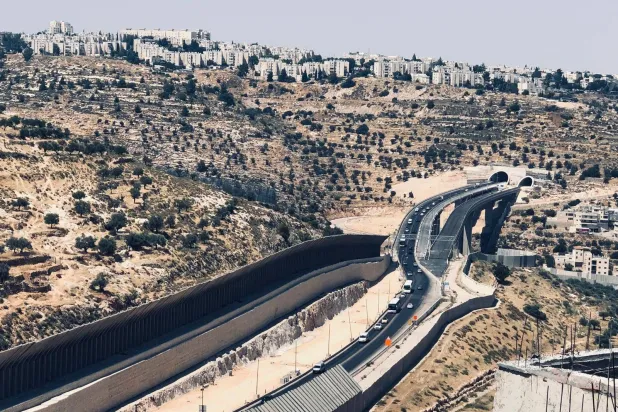
Israel is laying hundreds of kilometers of roads designated for settlers in the West Bank, in an attempt to create a new geographical reality.
As Israel pushes unprecedented settlement projects in the West Bank, aiming to turn the heart of the desired Palestinian state into a state for settlers, a new geographical reality is taking shape based on the cutting, building, and paving of a private settlement road network in the West Bank for the exclusive use of settlers.
The National Office for Defense of Land and Resistance to Settlement said in an official report on Saturday that the occupation government is using a network of settlement roads as an effective tool to reshape the geography of the West Bank and entrench control over Palestinian land.
It added, "These roads are used to connect settlements, outposts, and so-called 'pastoral farms' to each other, while simultaneously isolating Palestinian communities and turning them into separate enclaves."
Sanur settlement near Jenin in the occupied West Bank on May 9 last year (Reuters)
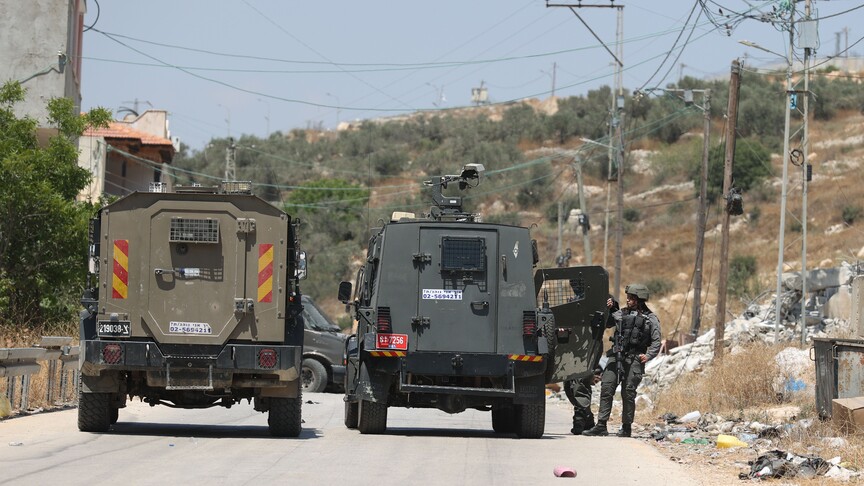
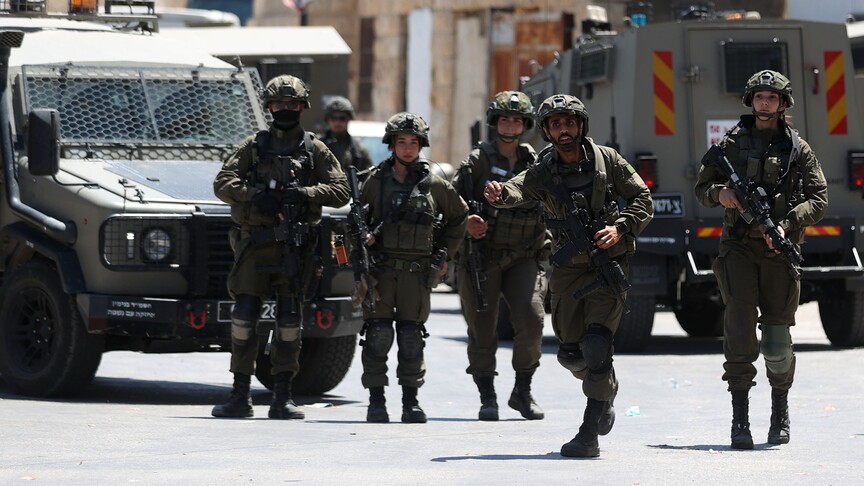
Since October 7, 2023, Israel has pushed additional massive settlement projects in the West Bank, given settlers free rein to control mountains and hills and attack Palestinians, while erecting more barriers and gates, which now number about 900, and has been altering road features, cutting roads above and below ground, and directing Palestinians to alternative roads.
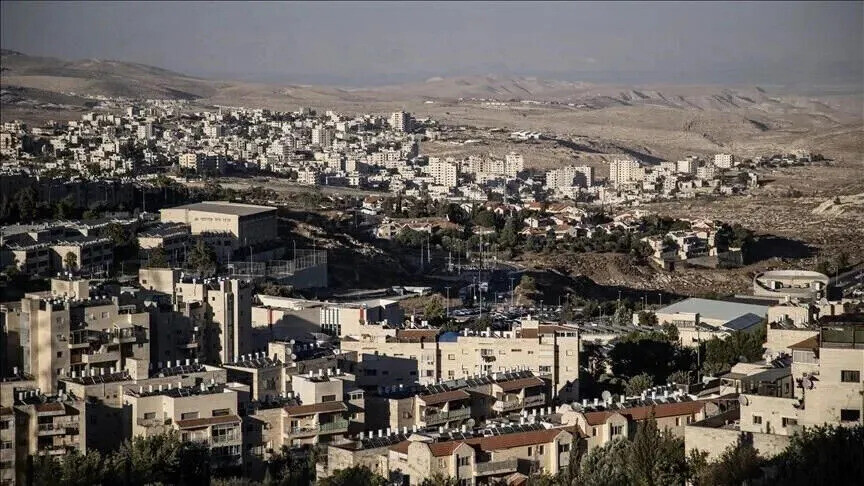
Today, 900,000 settlers live in the West Bank, distributed among settlements that occupy 3 percent of the West Bank's area, but are allocated 40 percent of all West Bank land, as protected areas and for related infrastructure projects, such as the racist separation wall, barriers, military bases, and settlement bypass roads.
Settlers have private streets where Palestinians are banned from traveling, as well as shared ones.
Aerial view of Sanur settlement near Jenin in the occupied West Bank on May 9 last year (dpa)
The organization B'Tselem says that the streets in which Palestinian movement is prohibited are "an additional component in the system of restrictions."
Israel daily cuts new streets in the West Bank, attempting to widen the separation between settlers' and Palestinians' streets.
The National Office report accused the occupation authorities of allocating huge budgets to cut hundreds of kilometers of bypass, security, and secondary roads designated for settlers, leading to the consumption of vast areas of West Bank land and the seizure of additional lands alongside these roads to establish what it described as "buffer security zones," as part of a policy of separation, fragmentation, isolating Palestinians, and acting as geographic barriers preventing the expansion of Palestinian villages and cities.
The report explained that "the colonial road network besieges Palestinian communities and forces citizens to use long secondary roads, while allowing settlers freedom of movement quickly and easily."
Sanur settlement near Jenin in the occupied West Bank last May (Reuters)
It added, "This network represents part of the 'militarization' of the area and organizing settler movement as a security and colonial priority, as it is designed to bypass densely populated Palestinian community centers and provide safe and rapid movement for settlers between settlements and Israeli cities."
According to the report, these roads have advanced infrastructure including lighting and security systems, while the majority of Palestinian road networks lack such services and equipment.
The Israeli government allocated large sums to cut hundreds of kilometers of settlement bypass roads in the West Bank, including a road network in the northern West Bank, a network in the central West Bank, and another in the south.
File photo of Israeli Finance Minister Bezalel Smotrich speaking about expanding settlements in the West Bank (File - Reuters)
The report said that the total outcome was 223 kilometers of new streets and roads fully paved to serve settlements, aiming at a complete isolation of the southern West Bank from its center and north through military orders, which in the last two years amounted to about 40 military orders, under the title "security roads and buffer zones," through which thousands of dunams were seized.
This included roads designated to serve settlements, outposts, and pastoral farms.
According to the latest reports from the Peace Now movement, settlers established over 60 new pastoral outposts in 2024 alone, accompanied by the cutting of hundreds of kilometers of connecting roads with facilitation and official financial support from the occupation government.
A network of new dirt and security corridors linking major settlements with these outposts was also observed.
Israel continues to push for building more settlements.
Finance Minister Smotrich announced last Wednesday that the Security Cabinet approved his proposal to establish a new settlement near the Sanur settlement in the northern West Bank.
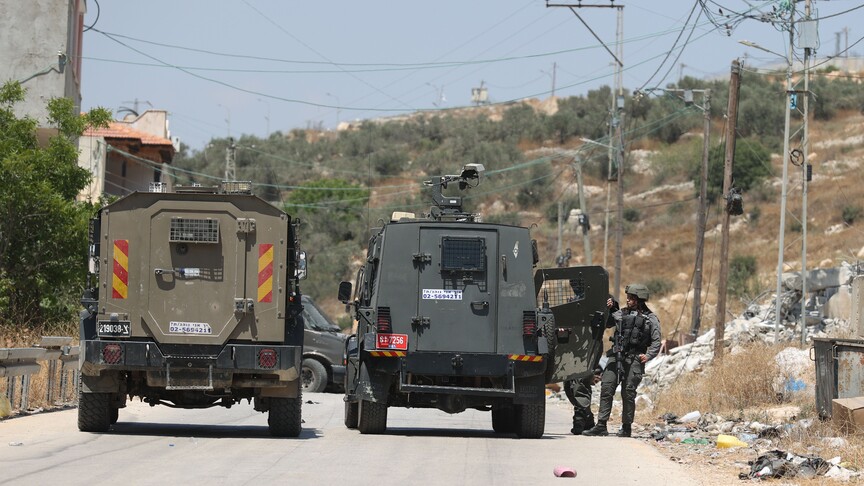
An Israeli soldier in Nablus in the occupied West Bank (File - dpa)
Smotrich said that this settlement, numbered 104 - referring to the number of settlements established or approved by the current government - is part of a "historical revolution in Judea and Samaria (the West Bank) that will prevent the establishment of a terrorist state in the heart of Israel."
He boasted, "104 settlements and over 160 farms (pastoral outposts) will form a protective wall (shield) for Ra'anana, Tel Aviv, Givatayim, Jerusalem, and the entire State of Israel."
Smotrich's announcement of the new settlement, which is planned to connect with Sanur that was rebuilt after its evacuation during the 2005 disengagement plan, came a day after the Israeli government announced it had approved a package of settlement projects in the West Bank, referring to the package that included building 34 new settlements in all areas of the West Bank, which was revealed earlier.
Smotrich confirmed that his government approved a budget of 1.3 billion shekels ($434 million) to establish 34 new settlements in the West Bank.
Israeli media said that the new settlements will change the settlement map in the West Bank.
European concern
The majority of world countries oppose the settlement policy in the West Bank, and the European Union has expressed deep concern over the current Israeli government's intentions to allocate huge and unprecedented financial appropriations to support settlement expansion in the heart of the West Bank.
Israeli machinery bulldozing land in preparation for building settlements near Jenin in the occupied West Bank on December 23, 2025 (EPA)
The EU stated in an official statement that these steps will inevitably entrench the settlement presence in areas described as highly sensitive geopolitically, threatening any future chances for peace.
The European Union also announced its categorical rejection of the decision to turn the colony of "Givat Ze'ev," built on Palestinian lands northwest of Jerusalem, into an official Israeli municipality.
The EU reiterated its refusal to recognize any Israeli sovereignty over the territories occupied in 1967, stressing that these measures violate UN Security Council resolutions and international law.
Original source: Asharq Al-Awsat


Comments (0)
Be the first to comment.