Srebrenica a Deep Wound on Humanity's Conscience, Says Turkish Communications Director
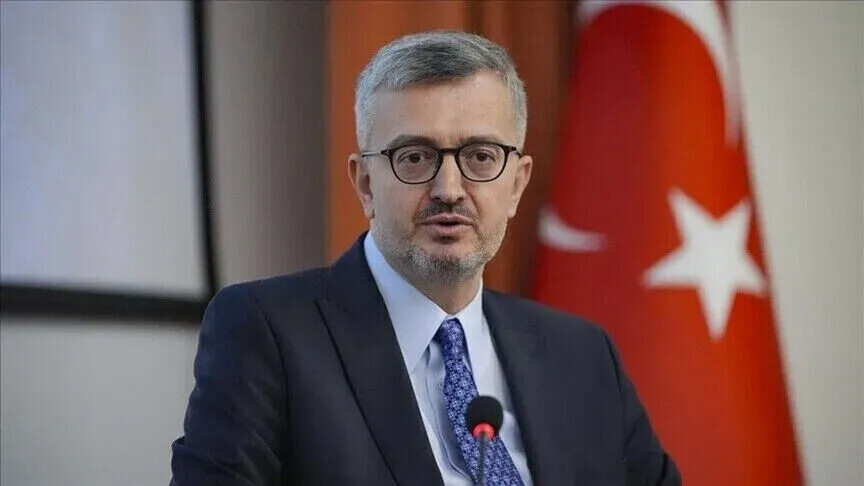
In a post by Burhanuddin Duran, Head of Communications of the Turkish Presidency, on the 31st anniversary of the massacre that killed over 8,000 Bosnian Muslims..
Ankara / Anadolu
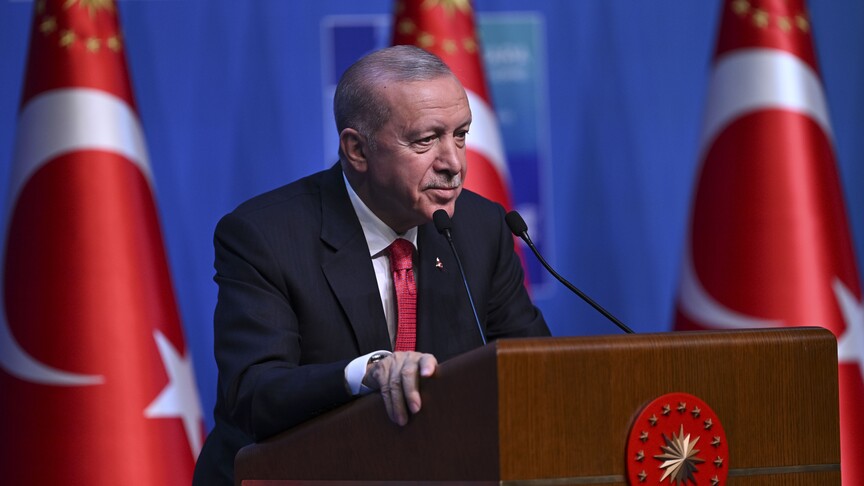
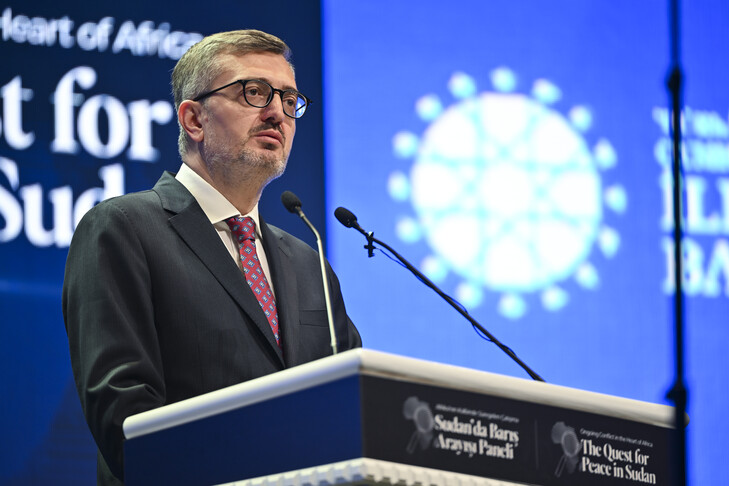
Burhanuddin Duran, Head of Communications of the Turkish Presidency, said that the Srebrenica massacre, etched in memory as one of the darkest pages in human history, remains a deep wound on the human conscience even 31 years after it occurred.
He made the remarks in a post on his account on the Turkish platform 'In Social', on the occasion of the 31st anniversary of the massacre that killed over 8,000 Bosnian Muslims.
Duran explained that this great tragedy remains present in memory as one of the most atrocious crimes committed against humanity.
He added: 'We remember our brothers who were killed in the Srebrenica massacre with mercy, and we share the pain and sorrow of our Bosnian brothers from the depths of our hearts.'
He affirmed that Turkey will continue to stand by peace, justice, and human dignity wherever there is injustice, oppression, or human tragedies, from Bosnia and Herzegovina to Kosovo, from the Caucasus to the Middle East, from Gaza to Africa, and will resolutely continue to be the voice of the oppressed.
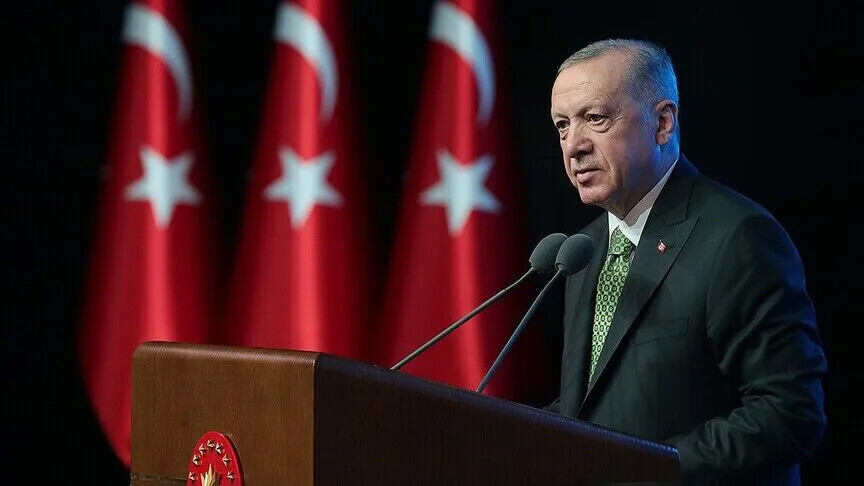
He continued: 'As our President Recep Tayyip Erdogan said: (It is possible to create a more just world), and stemming from this understanding, we will continue to work to strengthen the common human conscience and establish lasting peace.'
Srebrenica Massacre
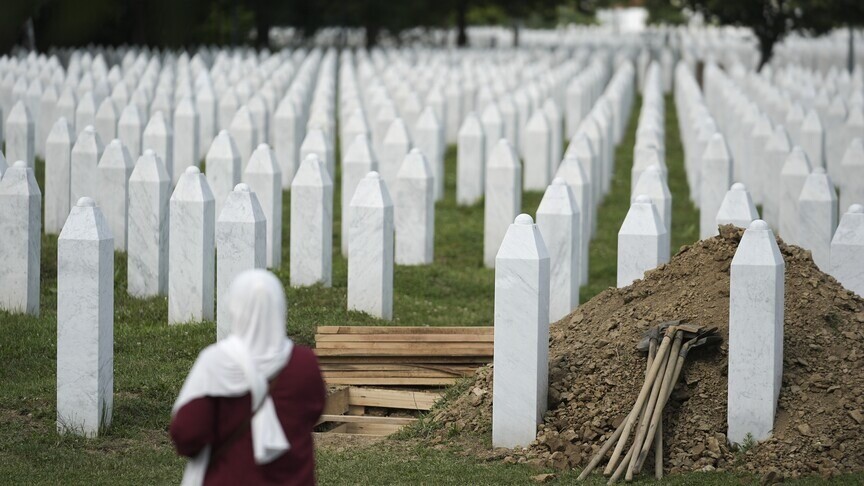
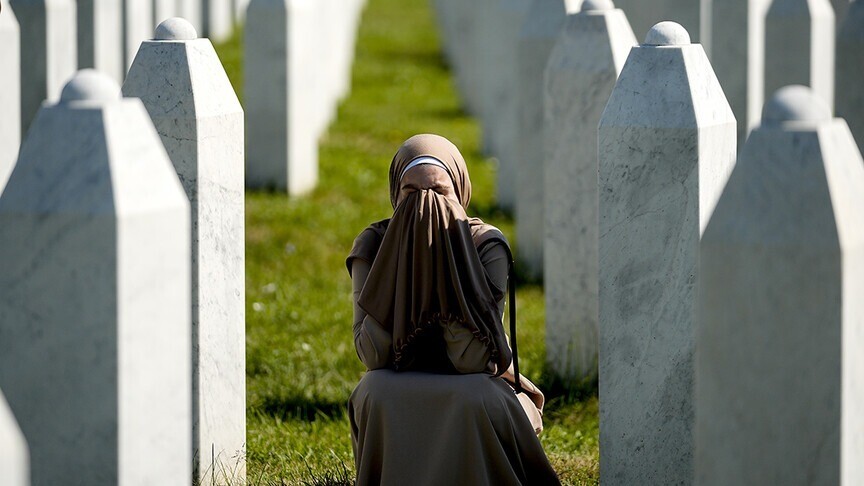
On the 31st anniversary of the genocide, the remains of 10 victims were buried at the Potočari Memorial Cemetery after their identities were identified and their families consented.
After the burial ceremony, the number of victims buried in the memorial cemetery rose to 6,782.
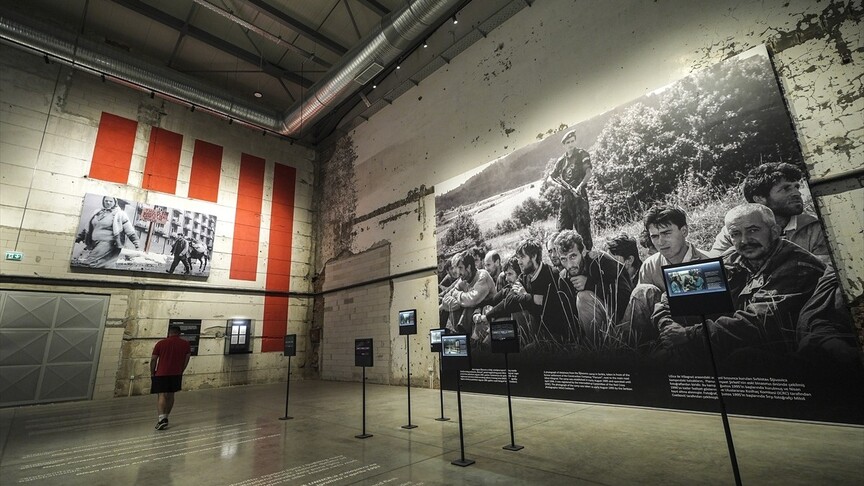
The Srebrenica massacre is the worst in Europe since World War II. On July 11, 1995, Bosniak civilians from the city sought protection from Dutch soldiers after Serbian forces led by Ratko Mladić took control of the city.
However, the Dutch forces, operating under the United Nations, handed over the civilians to Serbian forces, who committed a massacre killing over 8,000 Bosniak men and boys.
Serbian forces also committed other massacres against Muslims during the Bosnian war, which started in 1992 and ended in 1995 after the Dayton Agreement was signed, resulting in the deaths of over 300,000 people, according to UN figures.
Serbian forces buried the victims in mass graves. After the war ended, Bosnia began operations to search for the missing, exhume remains, and identify the victims.
Every year on July 11, Bosnian authorities rebury the victims whose identities have been identified at the Potočari Memorial Cemetery.
Original source: Anadolu Agency
Comments (0)
Be the first to comment.