Sudan's Irrigation: Temporary Decline in Blue Nile Water Inflow Due to GERD
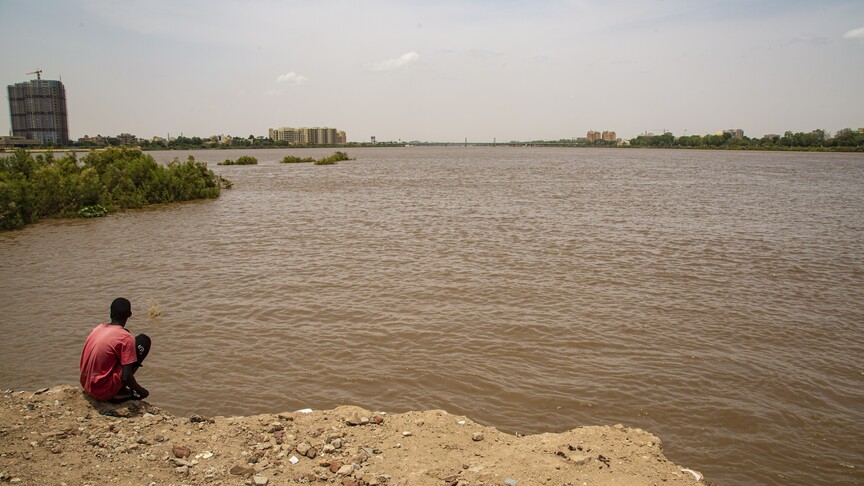
The ministry said the water situation in Sudan remains stable and reassuring.
Adel Abdel Rahim / Anadolu
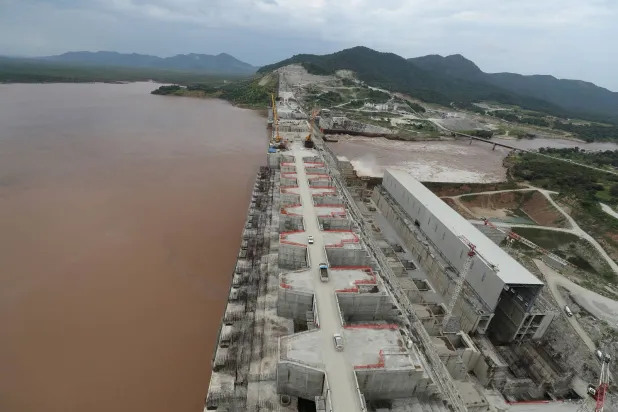
The Sudanese Ministry of Irrigation and Water Resources announced on Friday a temporary decline in the inflow of water from the Blue Nile River, due to a drop in the discharge from the Ethiopian Grand Renaissance Dam.
The ministry clarified in a statement that "the water situation in Sudan remains stable and reassuring".
It stated that "the revenues and levels of the White Nile River until mid-July 2026 recorded rates higher than the general average and last year's levels, and the discharges from Jabal Awliya reservoir maintained stability exceeding previous years' averages".
It said: "The General Administration of Reservoirs recorded a temporary decline in the daily inflow to the Roseires Reservoir lake (south of Khartoum) during the period from July 7 to 9, dropping from 207 to 129 million cubic meters per day."
It added that this "was reflected on the discharges of the Roseires and Sennar reservoirs, and led to a temporary drop in Nile levels at several stations, including north of Roseires, Wad Madani, Khartoum, Al-Halfaya, and Shendi."
The statement added that this decline "is directly due to the drop in discharge from the Ethiopian Grand Renaissance Dam during that period," stressing that "the ebb and flow of the Nile and its branches is a natural phenomenon, but the construction of the GERD has led to a change in the river's hydrology."
It continued: "This phenomenon is being addressed through the technical operation of reservoirs and the implementation of necessary operational measures to ensure the stability of water supplies and maintain required levels."
The statement indicated that "Nile levels in areas north of the capital Khartoum remain higher than their recorded levels during the same period last year."
It noted that "a high-level committee headed by the Minister of Agriculture and Irrigation is monitoring developments in the water situation around the clock, and taking necessary operational decisions based on readings and technical analyses."
The ministry confirmed, according to the statement, that "reservoirs are operated on scientific and technical bases, ensuring the safety of water structures, securing the needs of citizens and the agricultural sector, and supporting the success of the agricultural season."
On Monday, the Khartoum state government said in a statement that "the significant drop in Nile levels led to the shutdown of suction pumps at the Al-Salha water station, resulting in a shortage of drinking water affecting several neighborhoods and villages south of Omdurman locality."
Activists had previously circulated videos showing the decline in water level in the Nile River in several areas of the capital Khartoum, and the appearance of sandbars due to the receding river waters.
Disputes continue between Egypt and Sudan on one side, and Ethiopia on the other, over the filling and operation of the GERD, which Addis Ababa began constructing in 2011.
Cairo and Khartoum demand reaching a legally binding tripartite agreement regulating the filling and operation processes before their completion.
In contrast, Ethiopia believes that the project does not require signing a binding agreement, and asserts that it does not intend to harm the interests of any other country, which led to a three-year freeze in negotiations before they resumed in 2023, and then stopped again in 2024.
Original source: Anadolu Agency



Comments (0)
Be the first to comment.