The Falklands War Returns: 74 Days of Blood and Death Ignite Argentina vs. England Clash. What's the Story?

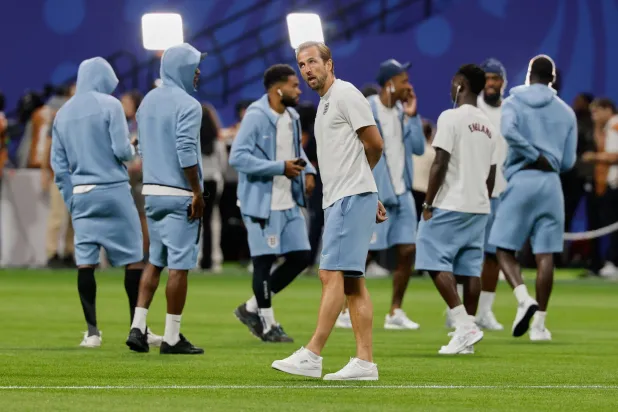
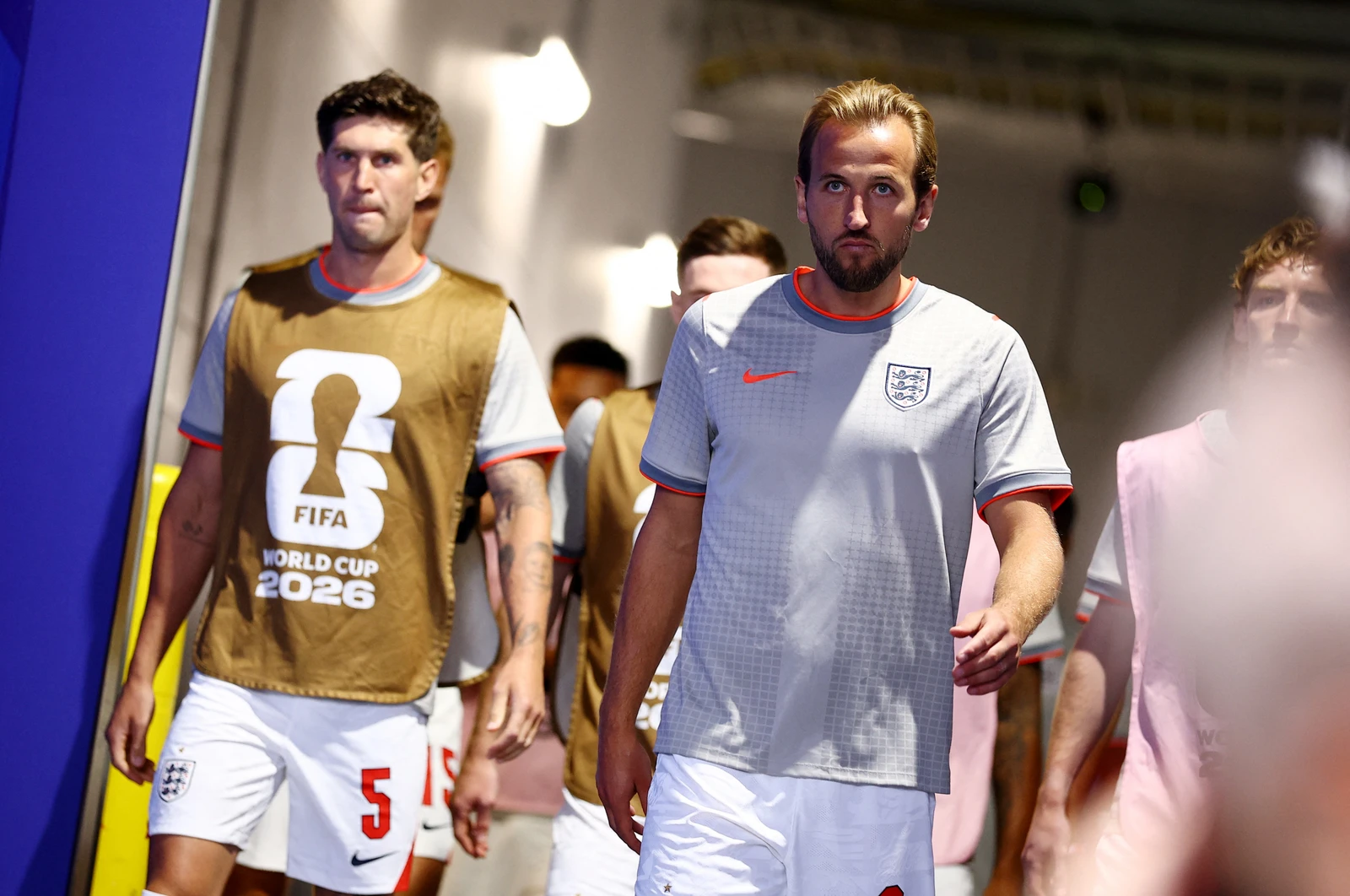
With the anticipated showdown between Argentina and England in the 2026 World Cup semifinals approaching, one of the most complex rivalries in football history resurfaces. The match's significance is not only derived from the teams' caliber or the high stakes of reaching the final, but from a long history extending beyond the pitch, tied to a real war fought between the two nations over four decades ago over a group of remote islands in the South Atlantic.
When the two teams meet again in one of the biggest World Cup matches, it will be hard to ignore the Falklands War that erupted in 1982 between Argentina and Britain, leaving hundreds dead and a deep wound in the Argentine national memory. Just four years later, its shadows moved to the 1986 World Cup, in the match where Diego Maradona scored two of the most famous goals in football history.
Small Islands Ignited a Big War: The Falkland Islands, called 'Malvinas' by Argentina, lie in the South Atlantic about 500 kilometers off the Argentine coast. They have been under British control since 1833, while Buenos Aires maintains its claim to sovereignty, considering them part of its territory that Britain seized during the colonial expansion era.
The dispute over the islands persisted for decades in political and diplomatic spheres before turning into open military confrontation on April 2, 1982, when Argentine forces seized the islands in an operation that enjoyed broad popular support at home, at a time when the ruling military junta faced economic crisis and increasing internal unrest.
Britain did not accept the new fait accompli. Then-Prime Minister Margaret Thatcher decided to send a massive military force thousands of kilometers across the Atlantic to retake the islands, sparking one of the most notable wars of the latter half of the 20th century, despite its short duration and remote location far from traditional conflict zones.
Bloody Battles in the South Atlantic: The war saw fierce naval, air, and land engagements. Most notably, the British submarine HMS Conqueror sank the Argentine cruiser General Belgrano on May 2, 1982, a strike that killed 323 crew members, nearly half of Argentina's total human losses throughout the war.
Just two days later, Argentine forces delivered a painful blow when a French-made Exocet missile struck the British destroyer HMS Sheffield, killing 20 crew members.
Fighting continued under extremely harsh weather conditions, with British ships repeatedly attacked by Argentine aircraft flying at low altitudes. Eventually, British forces succeeded in landing troops on the islands and advancing toward the capital, Stanley, ending the war on June 14, 1982, with the surrender of Argentine forces after 74 days of combat.
The war resulted in the deaths of 649 Argentine soldiers, 255 British soldiers, and three civilian islanders. Its outcomes triggered major political shifts in both countries: the victory boosted Thatcher's position in Britain, while the defeat dealt a severe blow to the Argentine military junta and accelerated its downfall, leading to a return to democratic rule.
Although the guns and gunpowder fell silent, the political conflict did not end. Argentina continued to assert its sovereignty claim over the islands, and the 'Malvinas' remained strongly present in national memory and Argentine political discourse, keeping the war as one of the most sensitive events in the country's modern history.
War's Shadows Move to the World Cup: Just four years after the war ended, fate brought the rivals Argentina and England together in the 1986 World Cup quarterfinals. It was a match difficult to separate from the political and historical context that preceded it, especially since memories of combat and human casualties were still vivid for both nations.
In that match, Diego Maradona wrote the most famous chapter in the history of encounters between the two teams. He scored his first goal with his hand, a play unseen by the referee, then minutes later scored the goal later known as the 'Goal of the Century', sprinting from midfield and dribbling past several English players and goalkeeper Peter Shilton.
The match ended with Argentina winning 2-1, before continuing their path to the World Cup title. However, the victory over England took on a meaning in Argentine popular memory that transcended football, coming just four years after the defeat in the Falklands War. Some viewed it as a symbolic triumph over the nation that had defeated Argentina militarily in 1982.
Maradona later did not hide that the emotions surrounding that match were different from any other encounter, due to the wounds the war had left in Argentine society. Since then, the 1986 match has become an inseparable part of the football rivalry history between the two countries.
Rivalry Didn't Stop with Maradona: The encounter renewed in the 1998 World Cup, when the teams drew 2-2 in a match that saw English star David Beckham sent off after a clash with Argentine Diego Simeone. Argentina advanced on penalties, a loss that became one of the harshest moments in Beckham's England career.
Four years later, the teams met again in the 2002 World Cup. Beckham himself scored the winning goal for England from a penalty kick, in a match that for him carried a sense of sporting revenge from 1998, adding a new chapter to one of the most famous rivalries in World Cup history.
Semifinal Brings History to the Fore: Now, more than four decades after the Falklands War, the two teams return to compete in the 2026 World Cup semifinals. This match carries a greater sporting stake than any of their recent encounters, as 90 minutes separate one from reaching the final and competing for the most coveted trophy in football.
Despite the change of generations and the departure of the most prominent figures of that era, including Maradona and Thatcher, the issue of the islands themselves persists to this day. Britain still calls them 'Falklands' and insists on its sovereignty, while Argentina continues to call them 'Malvinas' and claims them as part of its territory.
Between a war that lasted 74 days and claimed hundreds of lives, a match that produced the 'Goal of the Century', and other encounters carrying moments of revenge and heartbreak, the Argentina vs. England match in the 2026 World Cup semifinals appears to be the latest chapter in a rare historical rivalry where football has mixed with politics, war, and national memory.
Original source: Sabq




Comments (0)
Be the first to comment.