The Line Between Considering Them Legitimate or a War Crime... What Are the Repercussions of Trump Carrying Out His Threat to Strike Power Plants and Bridges in Iran?
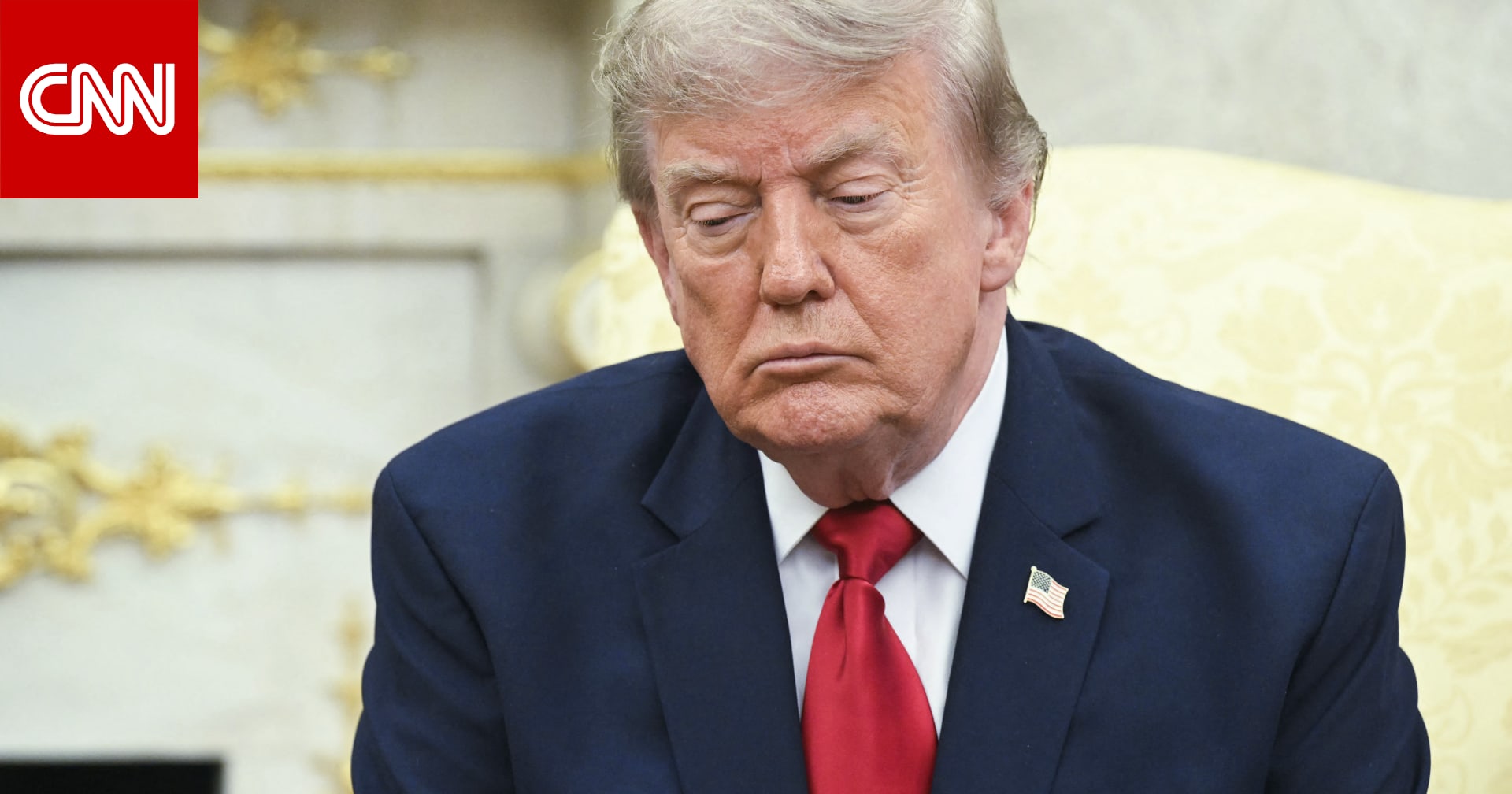
(CNN)-- US President Donald Trump renewed on Tuesday his threat to strike bridges and power plants in Iran unless Tehran returns to the negotiating table.
Trump said in an interview with Fox News: "It will be very bad for them next week because next week will see targeting of power plants and bridges," and indicated that Tehran must reach a deal, otherwise "there will be none of them left."
The US president had issued similar threats before, delivering a strongly worded warning to Iran in April, saying that "an entire civilization will die tonight," as the US deadline for Iran regarding the Strait of Hormuz approached.
What do experts say about the legality of targeting energy facilities and bridges?
Retired Brigadier General Mark Kimmitt told CNN that "bridges and infrastructure primarily used to support military forces are legitimate military targets," adding that he "did not hear anything about civilian infrastructure" in Trump's statements.
Kimmitt added: "Let's hope the focus remains on military targets."
In the context of Trump's earlier threats to strike Iranian power plants, legal expert Craig Jones, a senior lecturer at Newcastle University in the United Kingdom, told CNN that there are two key questions to consider: Would such an action achieve a "concrete and direct" military advantage? And if so, would this advantage be proportionate to the harm inflicted on civilians and the environment?
Jones added in a statement in March that "revenge or retribution is completely excluded under international law; doing so is not considered legal."
Jones pointed out that even if a legitimate military advantage could be achieved, that does not necessarily mean the action meets the "proportionality criterion," which requires considering the impact on civilians.
Other experts have expressed similar concerns, as Heba Morayef, the Middle East and North Africa regional director at Amnesty International, stated earlier this year that the potential for "devastating" harm to civilians from strikes targeting energy infrastructure means there is a "significant risk that such attacks violate international humanitarian law and amount in some cases to war crimes."
Ben Saul, the UN Special Rapporteur on counter-terrorism and human rights, condemned in March the US and Iranian threats to target civilian energy infrastructure, stressing that such attacks, if carried out, would constitute "war crimes under international law."
Original source: CNN Arabic




Comments (0)
Be the first to comment.