The Mystery of Absence: Why Did Mojtaba Khamenei Not Appear at His Father's Funeral?
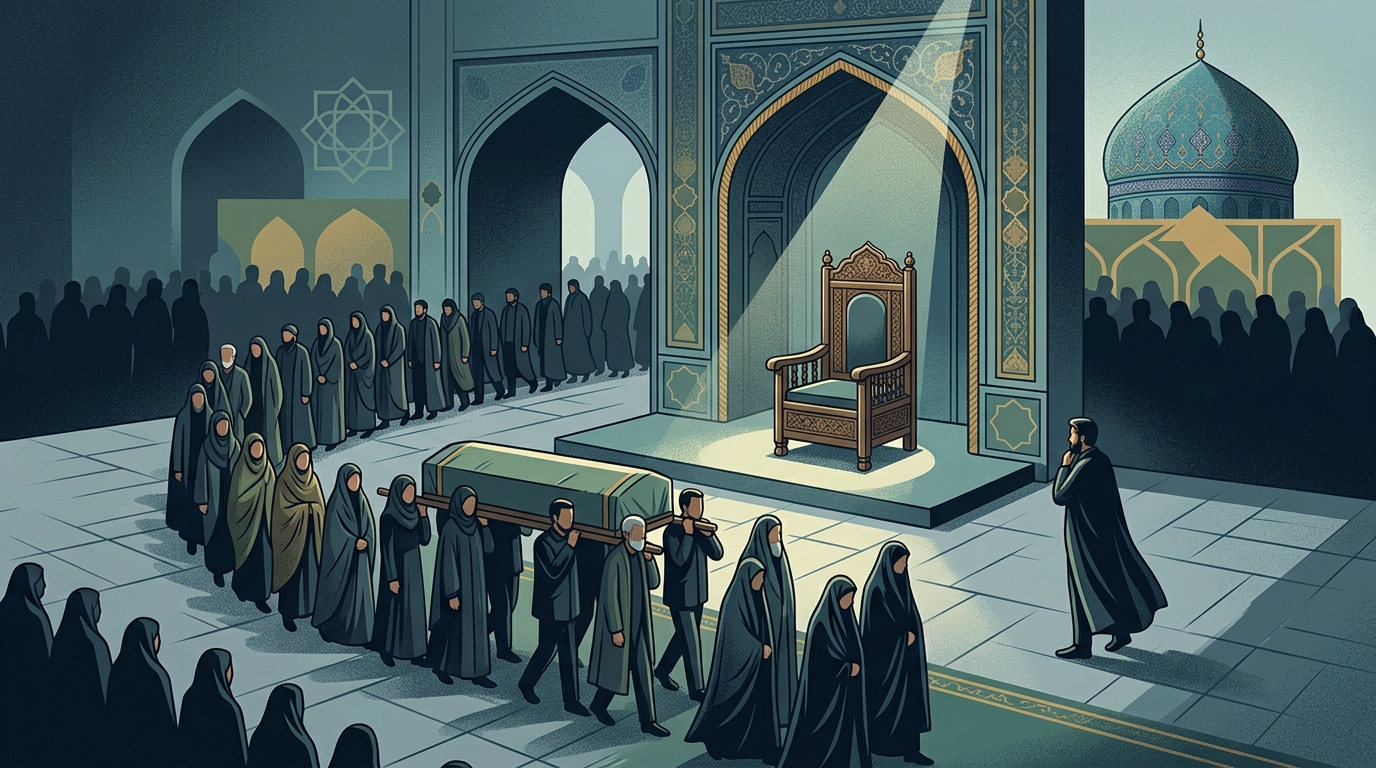
The absence of Iran's Supreme Leader Mojtaba Khamenei from the funeral of his predecessor and father, Ali Khamenei, has raised questions about his health and fears of possible assassination, while also fueling speculation about potential changes to the nature of the Supreme Leader position in Iran.
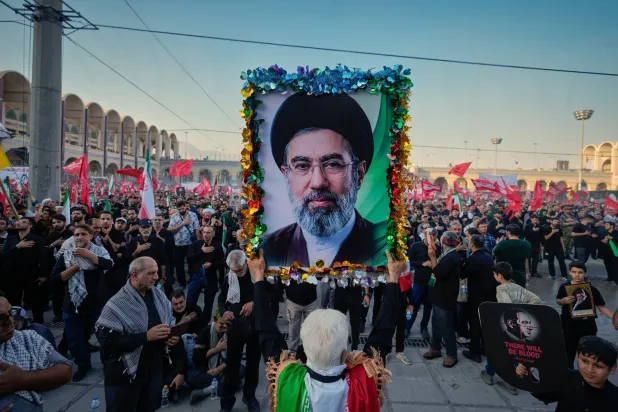
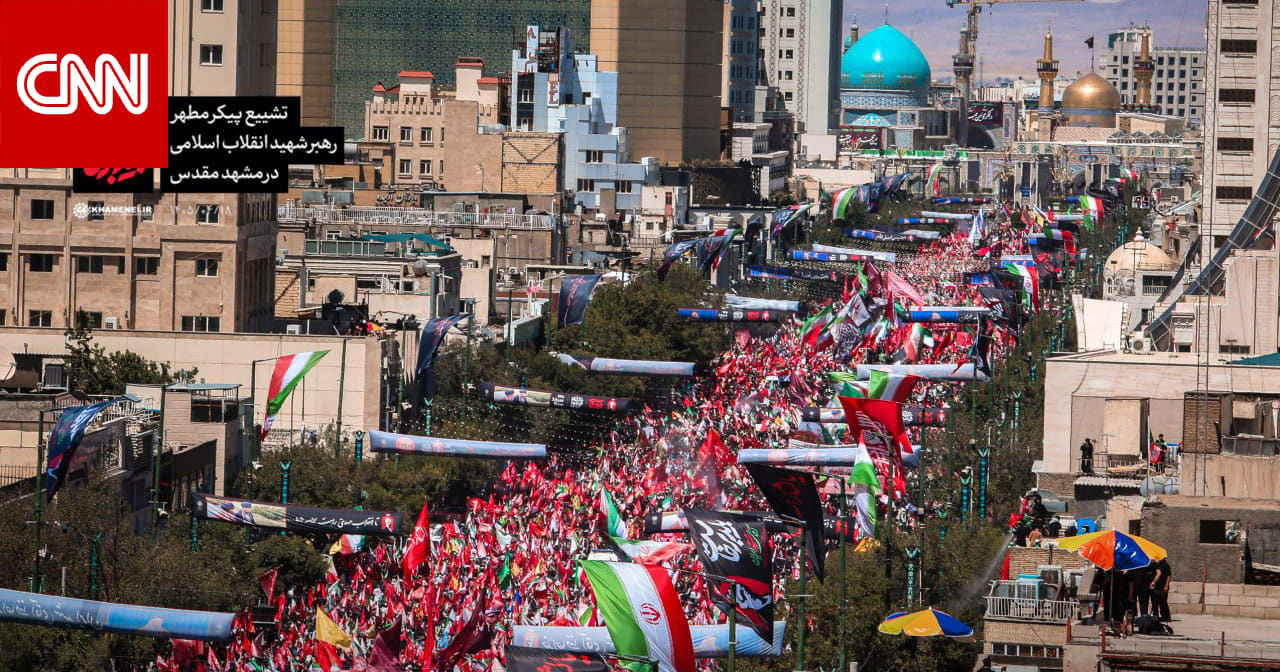
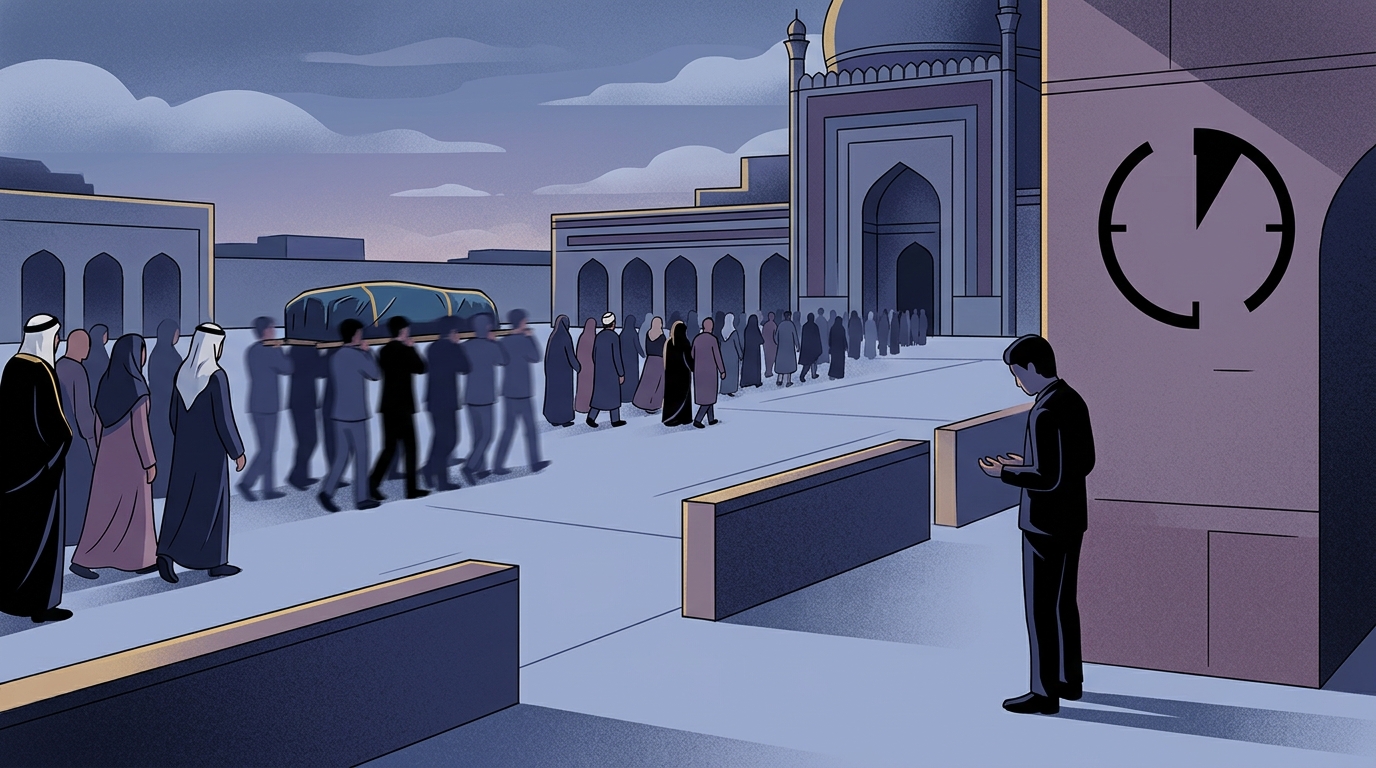
According to AFP, funeral ceremonies for Ali Khamenei, who was killed in the first US-Israeli strikes on February 28 at the age of 86 after nearly 37 years as Iran's Supreme Leader, lasted six days.
The final stage of the funeral saw Khamenei laid to rest in the city of Mashhad, attended by prominent Iranian political figures, including Parliament Speaker Mohammad Bagher Ghalibaf, Head of the Judiciary Gholamhossein Mohseni-Ejei, and Mostafa Khamenei, the eldest son of the late leader, while Mojtaba Khamenei, who succeeded his father in the position, was absent from the funeral.
According to the agency, despite attempts by social media users to find any sight of the 56-year-old cleric in funeral photos, no evidence of his presence emerged.
Since being elected Supreme Leader shortly after his father's death, Mojtaba Khamenei has made no public appearances, his presence limited to written statements attributed to him.
Mojtaba Khamenei's absence from all commemorations has raised questions about whether he was severely injured or disfigured in the bombing that killed his father, as he was by his side at the time, or whether authorities fear he may be targeted by the US or Israel.
Although Mojtaba Khamenei appears to be a different political figure from his father or from Khomeini, the founder of the current regime in Iran, potentially paving the way for increased influence of the Revolutionary Guards, it is still premature to conclude that the Supreme Leader's influence has waned.
Related news
Farzan Sabet, an expert on Iranian affairs at the Geneva Graduate Institute, told AFP that 'the lack of any public appearance and his absence even from his father's funeral negatively affect his public image, but this reality may be temporary.'
He suggested that his absence could be due to 'multiple injuries that make him unable to appear publicly,' in addition to security concerns about 'any public appearance being exploited to spy on him and prepare his assassination.'
Sabet predicted a 'power struggle' between Mojtaba Khamenei and Mohammad Bagher Ghalibaf, who, thanks to the war, has become the most prominent Iranian political figure.
For his part, Jason Brodsky, policy director at the US-based organization United Against Nuclear Iran, said that Mojtaba Khamenei has become 'more dependent' on the Revolutionary Guards, given his assumption of the Supreme Leader position with the support of this institution.
Brodsky noted that 'the balance of power between the Supreme Leader's office and the Revolutionary Guards has shifted,' describing Mojtaba Khamenei as 'weaker as a leader' than his father, and recalling that Ali Khamenei needed 'years' to consolidate his authority after being chosen in 1989 following Khomeini's death.
He added that 'at a time when Iran is trying to project strength and unity' after the war, the absence of its new Supreme Leader reveals that 'suspicion and fear prevail behind the scenes' after a large number of officials were killed in the February 28 attack.
Alex Vatanka, a researcher at the Middle East Institute, noted that Mojtaba Khamenei 'cannot match Khomeini in charisma, nor can he convey that he has the same authority his father earned after a life of overcoming crises.'
He added that the rejection of 'inheritance of positions' was one of the motivations of the revolution that overthrew the Shah in 1979.
unmute
Mojtaba's absence: a question echoed at his father's funeral
Original source: Sky News Arabia
Comments (0)
Be the first to comment.