This is our last chance to defeat the rising right in Britain – The Guardian

British newspapers followed with interest a plan to counter the rise of the right in Britain and redistribute power in the country with a decentralized approach and manage the economy in the sensitive upcoming period, after the awaited speech by Prime Minister Andy Burnham, in addition to monitoring the situation in Russia and the possibility of a collapse similar to the Soviet Union.
This is our last chance to defeat the rising right in Britain – The Guardian
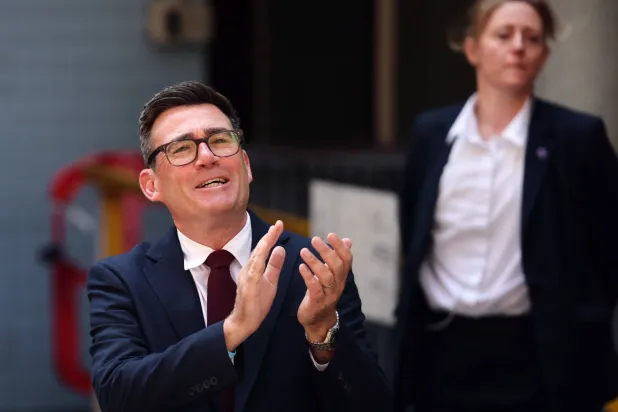
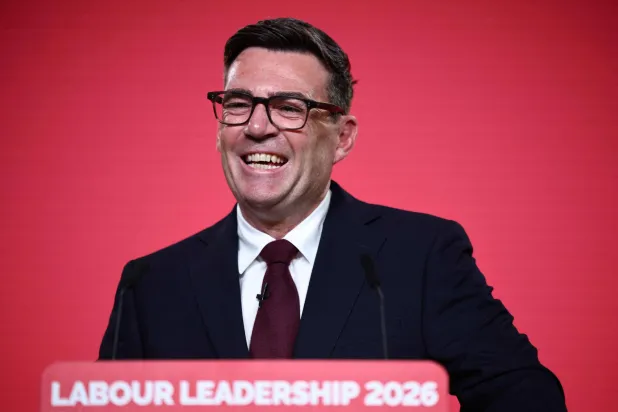
Image caption, Burnham outlined a political vision leaning to the left, and will work to expand public ownership of some essential utilities and services
Published 1 hour ago
Reading time: 6 minutes
British newspapers today followed with interest a plan to counter the rise of the right in Britain, redistribute power in the country with a decentralized approach, and manage the economy in the sensitive upcoming period, after the awaited speech by Prime Minister Andy Burnham, in addition to monitoring the situation in Russia and the possibility of a collapse similar to the Soviet Union.
We start with the British newspaper The Guardian, which focused on the pledge by the new Labour leader Andy Burnham to defeat the right in Britain and form a unified government, in its report on the awaited prime minister's speech in Britain.
The authors Rowena Mason and Peter Walker pointed out that the main challenge Burnham focused on is ending internal divisions and factional conflicts that have weakened the Labour Party in recent years.
Regarding confronting the right, he emphasized that unity is the essential condition to face the growing British right. In his first speech after being elected party leader, he considered this the 'last chance' for Labour to regain voters' trust and achieve the change the British people are waiting for.
According to the report, this means Burnham outlined a political vision clearly leaning to the left, pledging to reverse some economic and administrative policies associated with the legacy of Conservative Prime Minister Margaret Thatcher.
Burnham's government will work to expand public ownership of some essential utilities and services, increase investment in social care, and build a new generation of council housing.
Skip content and continue reading
Who is Andy Burnham, the leader of the governing Labour Party in Britain? 17 July 2026
Andy Burnham: Why is the new British Prime Minister a mystery to everyone? 17 July 2026
What is the story of the Falkland Islands, for which the Argentine team raised a banner demanding them? 16 July 2026
End of content
Burnham considers his election as Labour leader one of the most important transformations in British politics in the last four decades, believing the party faces a decisive historical moment. He said Labour will not be able to defeat the 'new British right' if internal disagreements and divisions, which have harmed the party for a long time, continue, and that it is time to overcome them and build a unified team working towards common goals.
Regarding the challenges Burnham faces to achieve this, the report stresses that the first challenge will be within the party to form the new government, expected officially after his transition to the prime ministership. Despite expectations of appointing Shabana Mahmood to the Treasury, there are leftist wings within Labour opposing this and preferring to appoint Ed Miliband to this position.
Skip most read and continue reading
With orange lips and a roar-like call... discovery of a new monkey in the Congo forests
Iran responds to Washington with attacks on several Arab countries, warning 'anyone hosting American bases on their territory'
Egypt's future apparatus: State withdrawal from the economy or reshaping its role?
'The Odyssey' in theaters, what do we know about Christopher Nolan's film?
On the other side, there are those who oppose appointing Miliband, especially from some business and union circles, as major companies fear his selection could affect market confidence, while some unions have expressed reservations about his positions on environmental transition and energy and North Sea drilling policies.
During his speech to party leaders and supporters at the Trades Union Congress in London, Burnham pledged to redistribute power from London to local communities, because he believes power has become overly concentrated in Westminster and central state institutions or transferred to private companies, which requires rebalancing and giving local communities a greater role in decision-making.
He also stressed that the care crisis directly affects the NHS's ability to recover, because many patients remain in hospitals due to a lack of home care services. Burnham pledged to make difficult and quick decisions to address this problem and not postpone it as in the past.
IMF warning
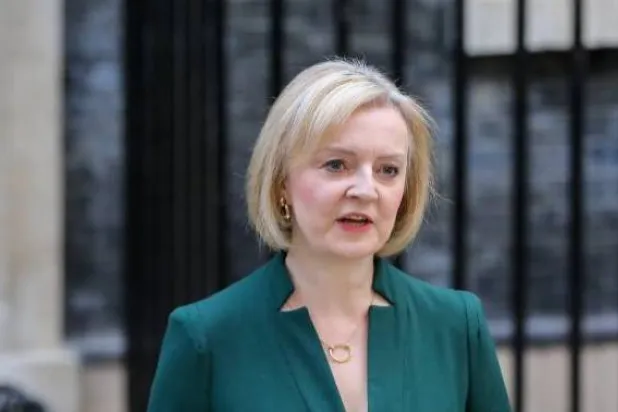
Image caption, The IMF asked the new government to be 'extremely selective' in meeting new spending demands
Skip podcast and continue reading
Worth attention
In-depth explanation of key events and topics, to help you understand the most important changes around you and their impact on your life
Episodes
End of podcast
Regarding Andy Burnham's economic policy, a report in the Express newspaper covered a warning from the International Monetary Fund to the incoming prime minister, at a time when questions are increasing about the new government's directions, especially in the economic and public spending file.
The author Eleanor Burleigh said in the report that the IMF called on Burnham to adopt a 'cautious' fiscal approach after entering 10 Downing Street, warning that the British economy could face volatility and instability if current plans to reduce the fiscal deficit are abandoned.
The Fund stressed the need to stick to the economic path set by current Chancellor Rachel Reeves, which focuses on spending control and improving public finances.
The Fund explained in its report that the new government should be 'extremely selective' in meeting new spending demands and avoid unplanned fiscal expansion.
The newspaper notes that the importance of this warning stems from the ambiguity surrounding the economic team of the next government, as the author believes it is unlikely that Rachel Reeves will continue as Chancellor, raising questions about the future economic and financial policies the new government will adopt.
The IMF also called on the next government to redistribute resources among different ministries instead of increasing total government spending. The Fund believes that improving the efficiency of using public financial resources can achieve better results than simply pumping additional money into government programs.
The report also touched on the repercussions of the energy crisis linked to the war between Iran and other parties in the region, calling for any government measures to address rising energy prices to be targeted, temporary, and neutral in their impact on the public budget. The Fund recommended avoiding blanket subsidy programs that benefit everyone regardless of actual need.
'Russia is no longer what it used to be'
Image caption, Russia is in crisis but Putin is not Gorbachev and still controls the country with iron hand
Original source: BBC Arabic
Comments (0)
Be the first to comment.