Under the Rubble of a Fish Market... Discovery of the Oldest Church in the History of an Italian City
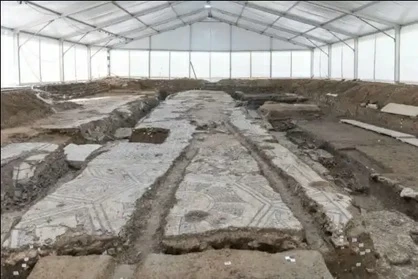
In the heart of an Italian city steeped in history, months-long archaeological research led to an extraordinary discovery that reshaped the early phase of Christianity's spread in Europe, after archaeologists unearthed the remains of the oldest known Christian church in the city of Oderzo, completely buried beneath a site that years ago was used as a traditional fish market. The discovery, according to experts, opens a new window into the religious and urban transformations that Italian cities underwent during the late Roman era, revealing the remains of a religious building dating back to a pivotal period in the history of Christianity and its transition from...
تحت أنقاض سوق للأسماك.. اكتشاف أقدم كنيسة في تاريخ مدينة إيطالية
نشر هذا التقرير في 19 يوليو 2026 الساعة 03:29، وتم آخر تحديث في نفس الموعد.
تعد الكنائس المبكرة من أندر الاكتشافات الأثرية في إيطاليا، وتسلط الضوء على جذور المسيحية في الحقبة الرومانية.
--:--
«عكاظ» (روما)
في قلب مدينة إيطالية غارقة في التاريخ، قاد بحث أثري استمر لأشهر إلى اكتشاف استثنائي أعاد رسم ملامح مرحلة مبكرة من انتشار المسيحية في أوروبا، بعدما عثر علماء آثار على بقايا أقدم كنيسة مسيحية معروفة في مدينة أوديرتسو، مدفونة بالكامل تحت موقع كان يُستخدم قبل سنوات كسوق تقليدية لبيع الأسماك.
يرى خبراء الآثار أن هذا الاكتشاف يفتح نافذة جديدة على التغيرات الدينية والعمرانية في المدن الإيطالية بأواخر العصر الروماني، إذ يعود بقايا مبنى ديني إلى مرحلة حاسمة من تاريخ المسيحية، حيث انتقلت من الانتشار الأولي إلى وجود مؤسسي داخل المجتمع الروماني.
وأعلنت هيئة الإشراف على الآثار والفنون الجميلة والمناظر الطبيعية لمنطقة البندقية الكبرى ومقاطعات بيلونو وبادوفا وتريفيزو تفاصيل الكشف الأثري، موضحة أن العثور على الكنيسة جاء نتيجة أعمال تنقيب دقيقة في مدينة أوديرتسو الواقعة على بعد نحو 64 كيلومترًا شمال شرقي البندقية.
وأظهرت الصور الرسمية التي نشرتها الجهات المختصة بقايا مبنى أثري ضخم، تبرز فيه أرضيات فسيفسائية متعددة الألوان بزخارف هندسية دقيقة، إلى جانب مدافن بشرية قديمة شُيدت بمحاذاة الجدران الأساسية للمبنى، ما يكشف أهمية الموقع الدينية والاجتماعية خلال تلك الحقبة.
تم الكشف في منطقة «بيسكيريا» التاريخية، حيث انطلقت أعمال الحفر في نوفمبر الماضي ضمن مشروع لتطوير منطقة سكنية في وسط المدينة التاريخي، وأسفرت عمليات الإزالة والتنقيب عن العثور على هذا الإرث المدفون تحت طبقات الزمن.
وأظهرت التحليلات الأولية أن الكنيسة تعود إلى الفترة الممتدة بين القرنين الرابع والخامس الميلاديين، عندما كانت أوديرتسو تُعرف باسم (Opitergium) خلال الحقبة الرومانية المتأخرة.
وبحسب الفريق الأثري، فإن المبنى يتميز بتصميم معماري يعكس الطراز الكنسي المبكر، إذ يبلغ عرضه نحو 23 مترًا، فيما تجاوز الجزء المكتشف من طوله 30 مترًا، مع وجود رواق رئيسي واسع تحيط به أروقة جانبية، ما يشير إلى أن الكنيسة كانت منشأة دينية ذات مكانة بارزة.
كما كشفت الدراسات الهندسية ضخامة أساسات المبنى التي يصل سمكها إلى نحو 1.2 متر، وقد شُيدت من الطوب المثبت بعناية فوق أوتاد خشبية مغروسة بعمق في التربة الرسوبية، وهي تقنية بناء قديمة هدفت إلى ضمان استقرار المنشآت الثقيلة في المناطق ذات الطبيعة الأرضية الهشة.
ولا تزال أعمال التنقيب مستمرة، إذ لم يشمل الكشف الحالي الجزء الشرقي من الكنيسة، الأمر الذي يرجح لدى الباحثين أن يكون المجمع الديني والخدمات المرتبطة به أكبر بكثير من المساحة التي تم الكشف عنها حتى الآن.
ولم يتوقف الاكتشاف عند حدود المبنى، إذ عثر الفريق الأثري داخل الموقع على 4 مقابر، بعضها جماعي وبعضها فردي، ضمت رفات 7 أشخاص، فيما يواصل علماء الأنثروبولوجيا تحليل الهياكل العظمية للكشف عن أعمار أصحابها وأصولهم وظروف دفنهم.
ويراهن الباحثون على أن التحاليل المخبرية المتقدمة ستقدم معلومات جديدة حول طبيعة المجتمع الذي ارتبط بالكنيسة وتفاصيل الحياة خلال تلك المرحلة التاريخية المبكرة.
In the heart of an Italian city steeped in history, an archaeological search that lasted for months led to an exceptional discovery that reshaped the understanding of an early phase of the spread of Christianity in Europe, after archaeologists found the remains of the oldest known Christian church in the city of Oderzo, completely buried beneath a site that had been used years ago as a traditional fish market.
The discovery represents, according to archaeological experts, a new window into the religious and urban transformations that Italian cities underwent during the late Roman period, as it revealed the remains of a religious building dating back to a pivotal phase in the history of Christianity and its transition from the early spread to institutional presence within Roman society.
The Superintendency for Archaeological Heritage, Fine Arts, and Landscape of the Greater Venice area and the provinces of Belluno, Padua, and Treviso announced the details of the archaeological find, explaining that the discovery of the church resulted from meticulous excavation work in the city of Oderzo, located about 64 kilometers northeast of Venice.
Official images published by the relevant authorities showed the remains of a massive archaeological structure, featuring multicolored mosaic floors with intricate geometric patterns, alongside ancient human burials constructed alongside the main walls of the building, revealing the site's religious and social significance during that era.
The discovery came in an area historically known as "Pescaria," where excavation work began last November as part of a project to redevelop a residential area in the historical center of the city, before removal and excavation operations led to the finding of this heritage buried beneath layers of time.
Preliminary analyses indicated that the church dates back to the period between the 4th and 5th centuries AD, when Oderzo was known as (Opitergium) during the late Roman era.
According to the archaeological team, the building features an architectural design that reflects early ecclesiastical style, measuring about 23 meters wide, while the discovered section exceeds 30 meters in length, with a wide main aisle surrounded by side aisles, indicating that the church was a religious establishment of significant stature.
Engineering studies also revealed the massive foundations of the building, which are about 1.2 meters thick, constructed from carefully laid bricks on wooden stakes driven deep into the sedimentary soil, a construction technique aimed at ensuring the stability of heavy structures in areas with fragile ground conditions.
Excavation work is still ongoing, as the current discovery did not include the eastern part of the church, which leads researchers to believe that the religious complex and the associated services are much larger than the area uncovered so far.
The discovery did not stop at the building, as the archaeological team found 4 graves within the site, some collective and some individual, containing the remains of 7 individuals, while anthropologists continue to analyze the skeletal remains to uncover the ages, origins, and burial conditions of the deceased.
Researchers are betting that advanced laboratory analyses will provide new information about the nature of the community associated with the church and details of life during that early historical phase.
ويبرز هذا الاكتشاف أهمية أوديرتسو كمركز ديني في العصور القديمة. وتشير تقنيات البناء المتطورة إلى مهارة المهندسين الرومان في التكيف مع البيئة المحلية. ومع استمرار التنقيب، قد تكشف الحفريات عن المزيد من التفاصيل حول المجمع الديني ودوره في المجتمع آنذاك.
Original source: Okaz





Comments (0)
Be the first to comment.