Tony Francis | Iran and Its Understandings on the Eve of the NATO Summit in Ankara

SummaryThe summit is held at the conclusion of major transformations in the Middle East, which made Iran a primary loser in Syria, Lebanon, and Palestine, and made Turkey an alternative player trying to fill the Iranian vacuum at the expense of Israeli 'victories' and projects that Netanyahu carries in his visions for the new Middle East.
The era when agreements were signed between countries and their provisions were automatically implemented is over. All major and minor wars until the end of the 20th century ended with agreements and deals. This was perhaps a tradition established by the European wars of the last century and adopted by subsequent world wars: a war erupts, losses occur, the warring parties meet, pay prices, establish settlements, and then life resumes its patterns. But this formula for igniting and extinguishing wars underwent transformations after World War II (1939-1945). The new world emerging from a devastating war made way for the birth of so-called 'liberation movements,' which would become a weapon in the hands of the Soviet Union and its international camp, fighting and negotiating through it with a traditional adversary, the United States.
The proxy warfare formula soon ended with the collapse of the Soviet Union, but Khomeinist Iran worked to revive it within its narrow, sectarian, and self-interested doctrinal concepts. Thus the world witnessed the emergence of Iranian arms that could wage wars for the center when needed, only to be freed when the center sensed a need to preserve them for more necessary and urgent wars. This equation would soon lose its effectiveness when the center's elements of power collapse and its tools and branches scatter.
There remained no serious trace of major communist parties in the world when the mother system in Moscow collapsed. And as the Iranian regime approaches losing its elements of power, it is assumed that the search for alternatives that will inherit a state that dominated the region's politics for years has begun.
The truth is that most of the peace agreements reached over about a year across the region were agreements with an Iranian background to a large extent, and they must be reconsidered according to the demands of the situation. Their actual implementation reveals how the Iranian party holds on and insists until the last moment in an attempt to adapt their contents, willfully ignoring the new balance of power that has resulted.
The Gaza agreement, signed by the Hamas movement, Iran's most prominent ally in Gaza in October 2025, was the first agreement in the context of the comprehensive strategic clash between America and Israel on one side and the Iranian project on the other.
Before the approval of the Gaza plan, Iran was linked to the ceasefire agreement between Hezbollah and Israel in November 2024. Both agreements stipulated the disarmament of the two organizations affiliated with Tehran, but they were not implemented. In Gaza and Lebanon, the issue of weapons remains unresolved, as does the implicit Iranian approval for their removal.
In Lebanon, Hezbollah, despite the ceasefire and its agreements, rushed into Iran's fateful battle.
Read more
Generous, cautious, and hospitable... The 'Atlantic' in a summit to please Trump
Turkish authorities detain more than 100 people ahead of NATO summit
Where did the elders of the Iranian regime go?
And that battle, launched by America and Israel at the end of last February, resulted in a memorandum of understanding that was long debated and signed about three weeks ago. It carried in its contents an adaptation for Iran that was not detailed, but the clause on disarming the proxies in the signed agreements was forcefully revived on the sidelines of the Iranian-American memorandum of understanding and the activation of parallel talks between Lebanon and Israel in Washington, and regarding Gaza during intensified talks in Cairo and Cyprus.
Weapons have become a fundamental point in the policies of the subsidiary Iranian organizations, which Iran wants and seeks to perpetuate in any agreements it concludes. But things are not that easy. The week of protests against America and stoning it across Iran and Iraq will end with the burial of the Supreme Leader and his companions, and then one of the hidden deadlines will expire before starting to decide serious matters.
Iran will need to give clear answers about what it wants from the weapons of the militias in Iraq and Lebanon in particular. Any position it takes in this regard will be considered an indication of its upcoming approach at the regional level.
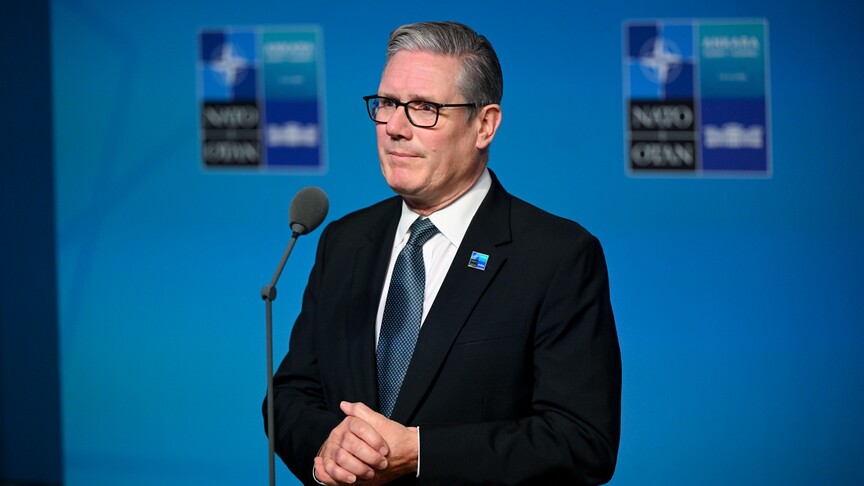
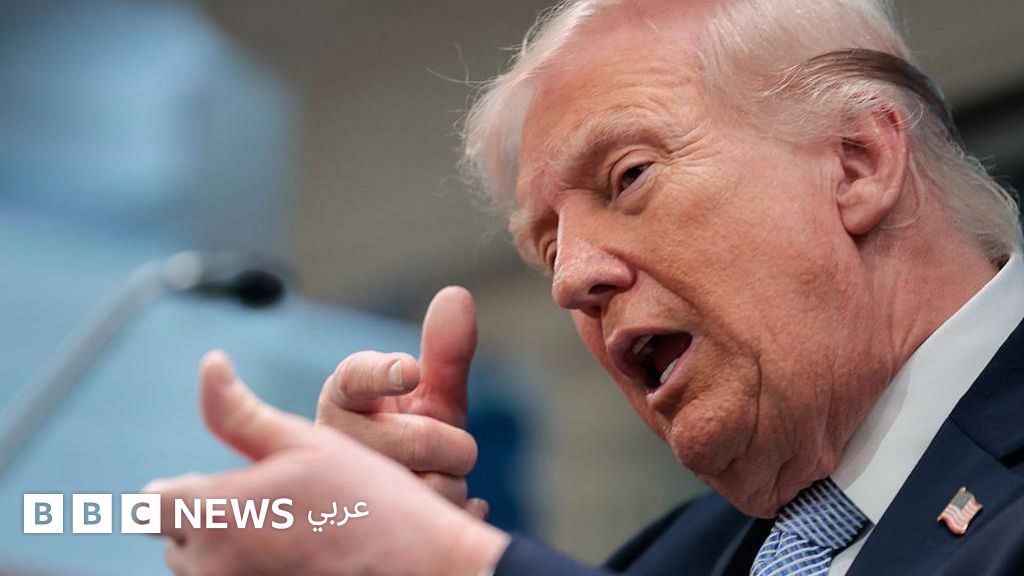
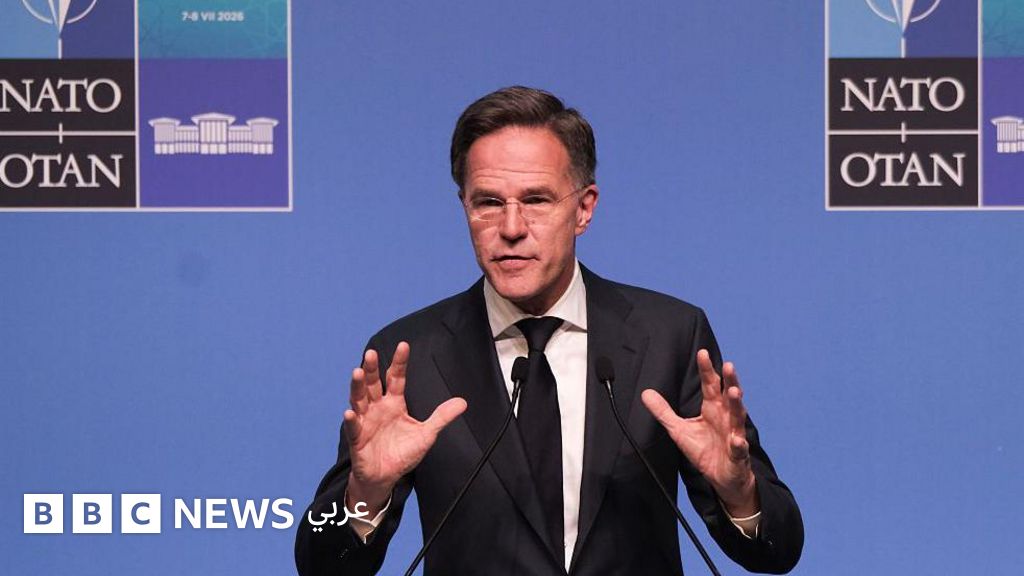
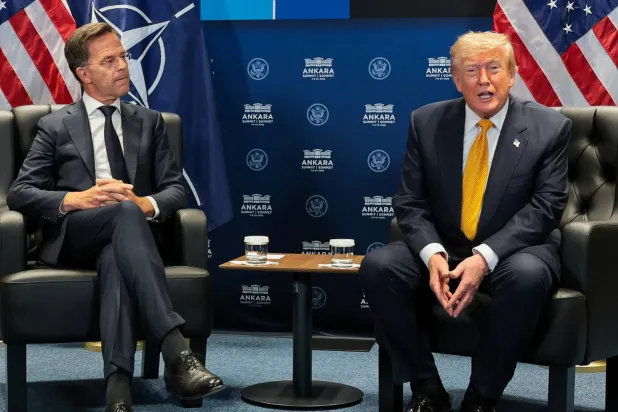
Iran does not have the luxury of playing with time and nerves and changing the facts. When it finishes burying its leaders, it will have to monitor the results of the NATO summit, which will be held this week nearby, in Ankara, for the first time in 22 years, with the active and prominent presence of US President Donald Trump.
This summit will be held at the conclusion of major transformations in the Middle East, which made Iran a primary loser in Syria, Lebanon, and Palestine, and made Turkey an alternative player trying to fill the Iranian vacuum at the expense of Israeli 'victories' and projects carried by Netanyahu in his visions for the new Middle East.
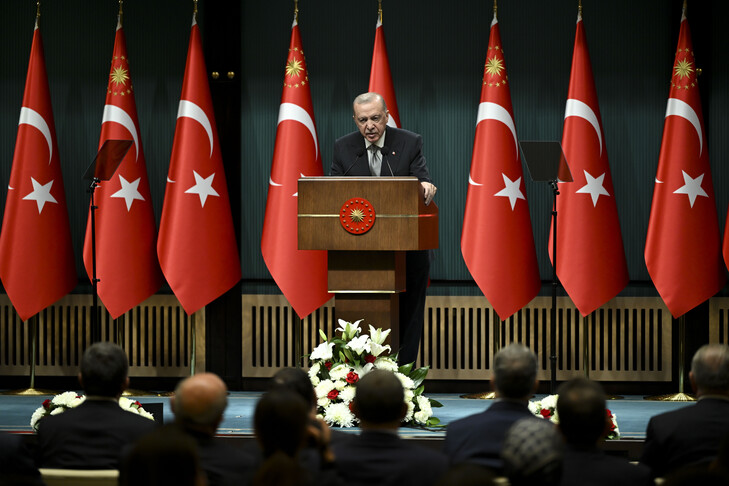
Tehran will face new challenges in Ankara and perhaps the organization of a Western vision encompassing the entire Middle East, some features of which Trump spoke of, praising a central role for Turkey-Erdogan. Erdogan himself did not skimp on revealing his interest in a national security map that starts in Beirut and Damascus and connects to Gaza.
The agreements and memoranda of understanding announced on the eve of the Ankara summit appear as exploratory entrances to a new phase, in which the old texts are no longer able to protect weapons and the narrative of eternal debate about the priority of preserving its status as a symbol of an empire searching for factors of survival under different conditions.
Original source: Independent Arabia

Comments (0)
Be the first to comment.