Trump: We will launch new attacks, and with great force, against Iran
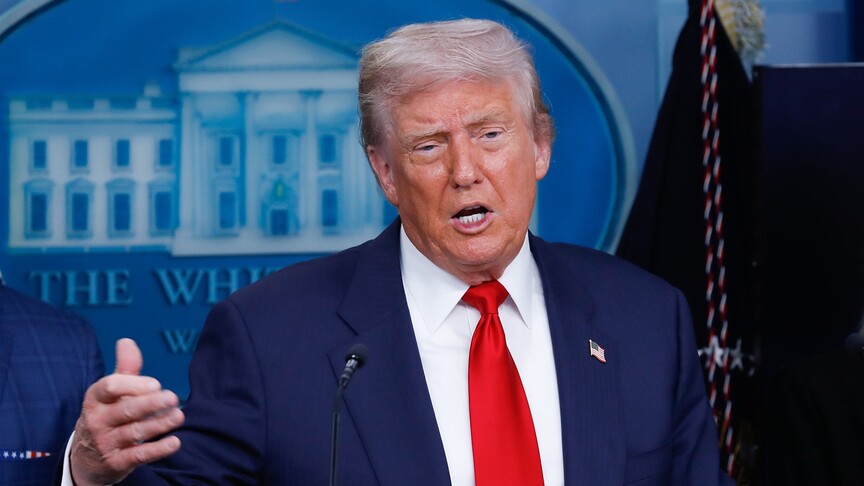
This came during a joint press conference at the White House with Lebanese President Joseph Aoun...
Washington / Anadolu
US President Donald Trump said that his country will soon launch 'with great force' new attacks targeting the Mount Axe region in Iran, following the recent tensions in the Strait of Hormuz.
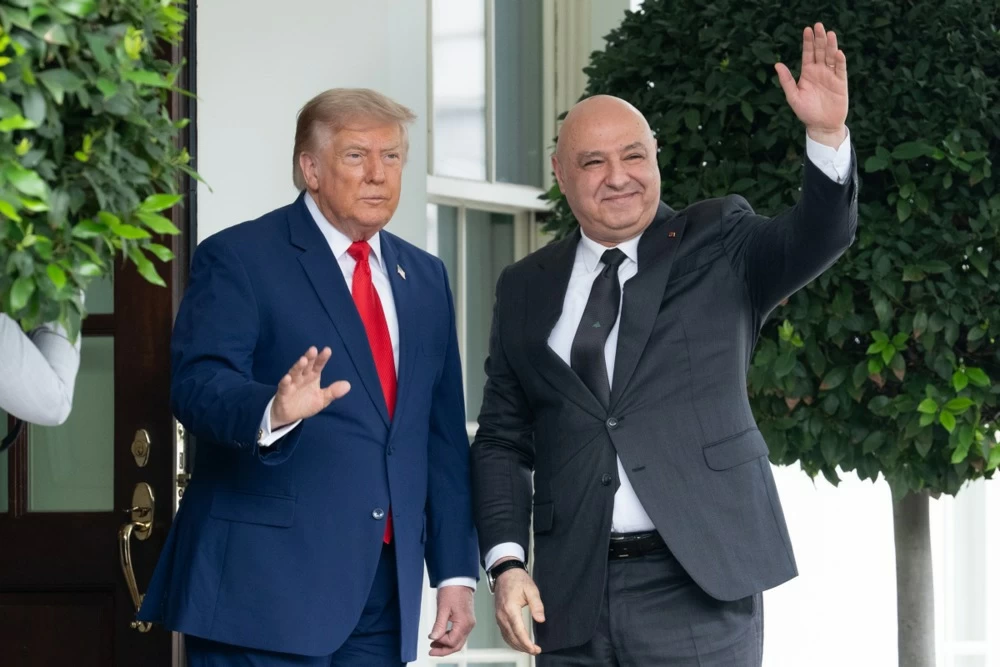
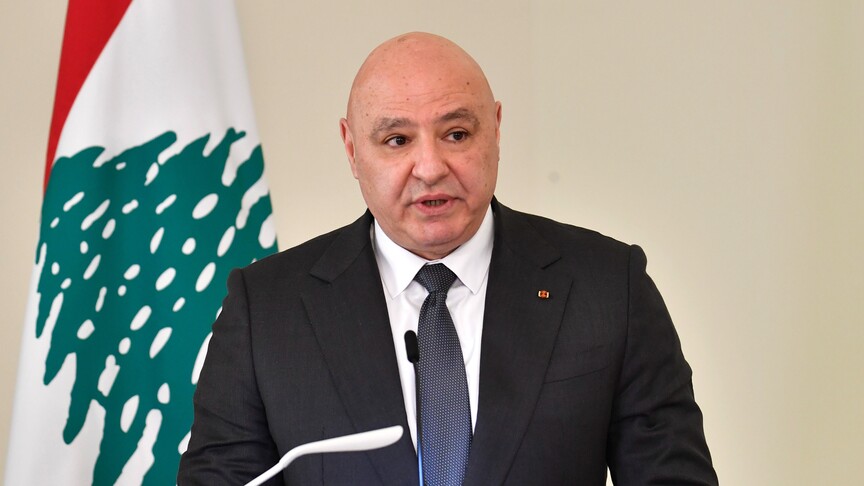
This came during a joint press conference at the White House on Tuesday with Lebanese President Joseph Aoun.
Trump explained that operations against Tehran are not over yet, saying: 'We will strike the Mount Axe area in Iran very soon and with great force.'
He added: 'We are not done dealing with Iran yet, and we are not about to leave now,' stressing that the United States will target 'any place Iran considers using for nuclear operations.'
In response to a question about the possibility of a new meeting with Tehran soon, Trump said: 'Iran wants to negotiate strongly, but we do not intend to negotiate with it until it is ready to do so seriously and meaningfully.'
He also confirmed that the United States has weakened Iran's capabilities 'to levels no one imagined,' adding that the extent of the damage inflicted on Iran 'is known only to the Iranians themselves.'
For days, the United States has been launching successive waves of strikes on sites inside Iran, while Tehran responds with attacks on bases, military installations, and sites it says are linked to Washington in regional countries, including Bahrain and Kuwait.
The escalation comes despite Washington and Tehran signing, last June, a memorandum of understanding that included a cessation of fighting and the start of negotiations to reach a broader agreement.
But Trump announced, on July 8 of this month, the end of the ceasefire, following attacks on tankers in the Strait of Hormuz for which Washington blamed Tehran, prompting the United States to resume its strikes inside Iran amid escalating Iranian responses in the region.
Washington demands Tehran stop attacking ships and guarantee freedom of navigation through the Strait of Hormuz, while Iran insists on subjecting the passage of ships to a mechanism regulating it through the strategic corridor, exacerbating fears of disruption of oil and gas exports from the region.
Original source: Anadolu Agency



Comments (0)
Be the first to comment.