Trump says Iran ‘will pay’ for killing soldiers as Tehran and US widen attacks

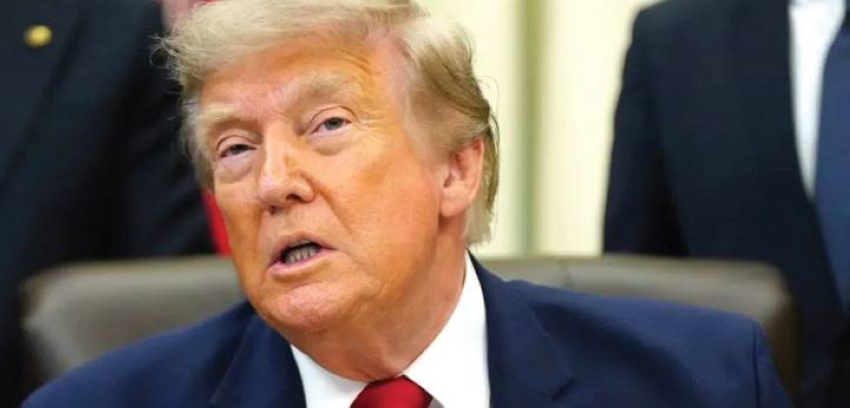
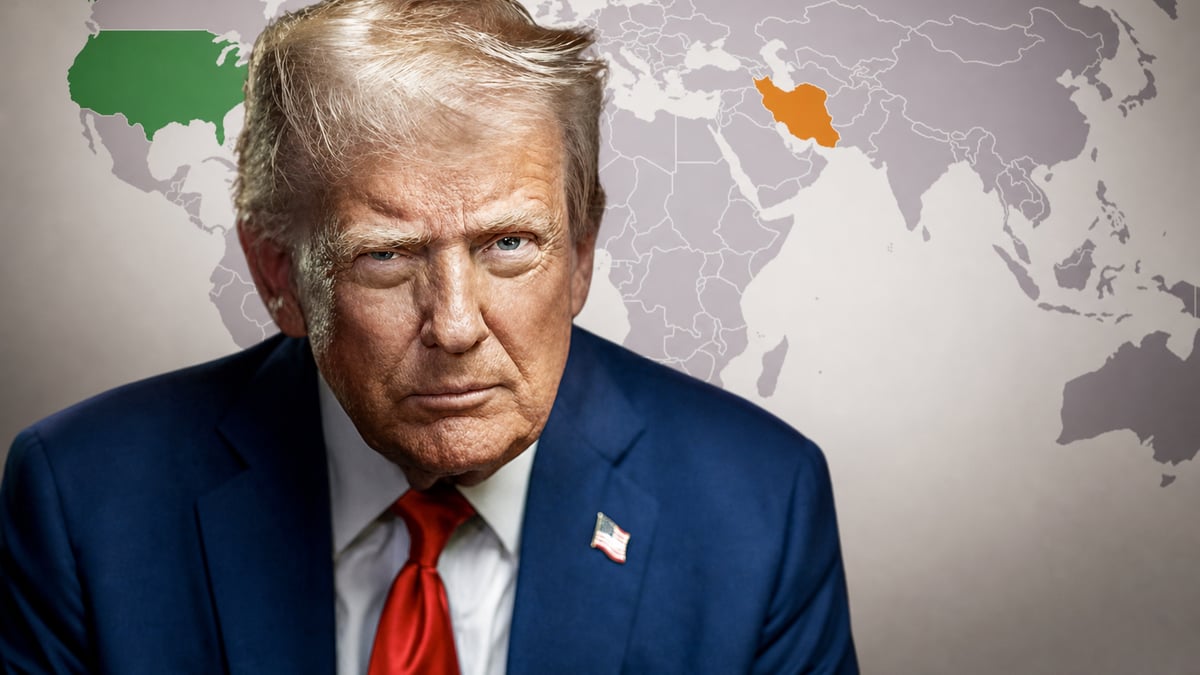
President Donald Trump issued a stark warning on Monday, stating that Iran would “pay” for the deaths of American service members after multiple troops were killed over the weekend.
The escalating conflict between the US and Iran has raised fears of a broader war in the Middle East.
The president offered no further details but said his directive has been relayed to US military leaders.
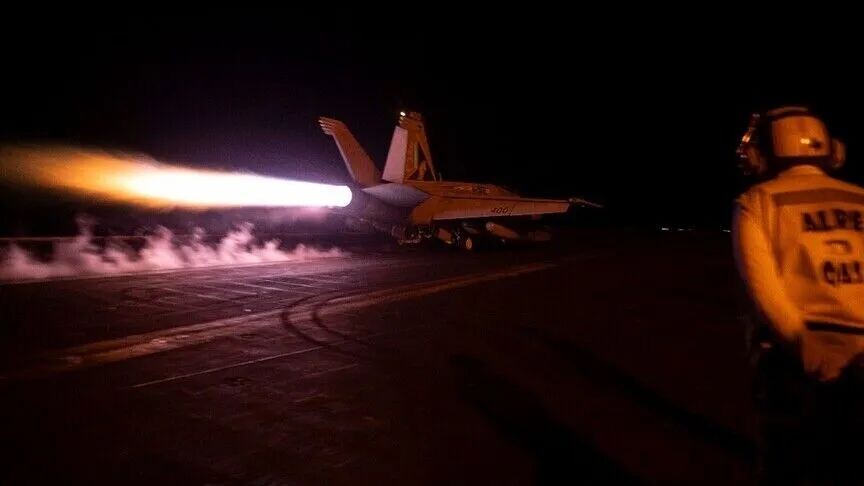
Also on Monday, the US conducted a new round of airstrikes against Iran.
Iran responded by launching attacks on American allies Kuwait, Jordan and Bahrain, home of the US Navy’s 5th Fleet.
Even as the US and Iran inch closer to all-out war, glimmers of hope appeared on the diplomatic front, with Iran’s interior minister traveling to Pakistan, a key mediator in the conflict, for talks.
The interim agreement reached last month, intended to halt hostilities, has collapsed, and traffic through the Strait of Hormuz — a critical conduit for global energy — has nearly ground to a halt. With the conflict escalating, both parties have struck civilian infrastructure that millions depend on.
Rising tensions have driven oil prices up in recent weeks. On Monday, Brent crude exceeded $86 a barrel, while the US average for regular gasoline reached $4 a gallon, squeezing household budgets before the midterm elections this fall.
The US military said its service member was killed in Iraq on Saturday during the “controlled detonation” of a downed Iranian drone.
President Donald Trump said the latest wave of attacks on Iran were done “in honor of” US soldiers recently killed.
US launches ninth night of Iran strikes
The US military’s Central Command said its ninth straight night of airstrikes targeted “Iranian military command centers, air defense and coastal surveillance sites, maritime capabilities, missile and drone launch sites and communications networks.”
Iran’s state-run IRNA news agency reported that the American strikes killed at least one person around Tabriz, a northwestern city about 520 kilometers (325 miles) from the capital, Tehran. Tabriz is believed to host underground missile bases run by Iran’s paramilitary Revolutionary Guard.
US strikes likely also hit Bandar Imam Khomeini in Khuzestan province, Sirik and Jask in Hormozgan province and Konarak and Chahbahar in Sistan and Baluchistan province, IRNA reported.
On Monday, Iran’s Revolutionary Guards force said two oil tankers “exploded” and were immobilised after attempting to take what it called an unsafe southern route through the Strait of Hormuz.
Tehran has retaliated by hitting US-allied countries throughout the Middle East
Bahrain sounded its missile alert sirens Monday morning, while Kuwait said its air defenses were firing at an incoming Iranian barrage.
Bahrain’s Foreign Ministry condemned Iranian drone strikes targeting the country’s air traffic systems, saying they endanger travel for civilians.
Jordan’s army said on Monday evening that air defences had downed three Iranian missiles targeting the kingdom, with no injuries or damage reported.
Trump has threatened to target Iran’s power stations and bridges to try to compel Tehran to loosen its hold on the Strait of Hormuz, through which one-fifth of world oil supplies were shipped before the war. Recent attacks suggest the US military is carrying out that plan.
The US in the past week reimposed a naval blockade on Iranian ports to halt its shipments of crude oil. The military on Saturday said it had redirected six ships and disabled one since then.
A glimmer of hope for diplomacy
Pakistan has intensified diplomatic efforts in recent days to resuscitate the interim ceasefire reached last month that called for resolving remaining issues tied to the war within 60 days. The truce unraveled after both sides resumed attacks on each other’s military installations and other infrastructure.
Iranian Interior Minister Eskandar Momeni arrived in Islamabad on Monday for two days of talks.
The collapse of the interim deal and the disruption of shipping through the Strait of Hormuz underscore the severity of the crisis. With oil prices rising and civilian infrastructure under attack, the economic and humanitarian toll is mounting. The upcoming midterm elections add a domestic political dimension to the confrontation.
Original source: Arab News

Comments (0)
Be the first to comment.