Trump-Saudi nuclear deal will strengthen Iran's position - The Telegraph
The Telegraph newspaper discussed the repercussions of US President Donald Trump's approval of a nuclear deal with Saudi Arabia that allows it to develop a civilian nuclear program, in a report titled: "Trump-Saudi nuclear deal will only encourage Iran."
Trump-Saudi nuclear deal will strengthen Iran's position - The Telegraph
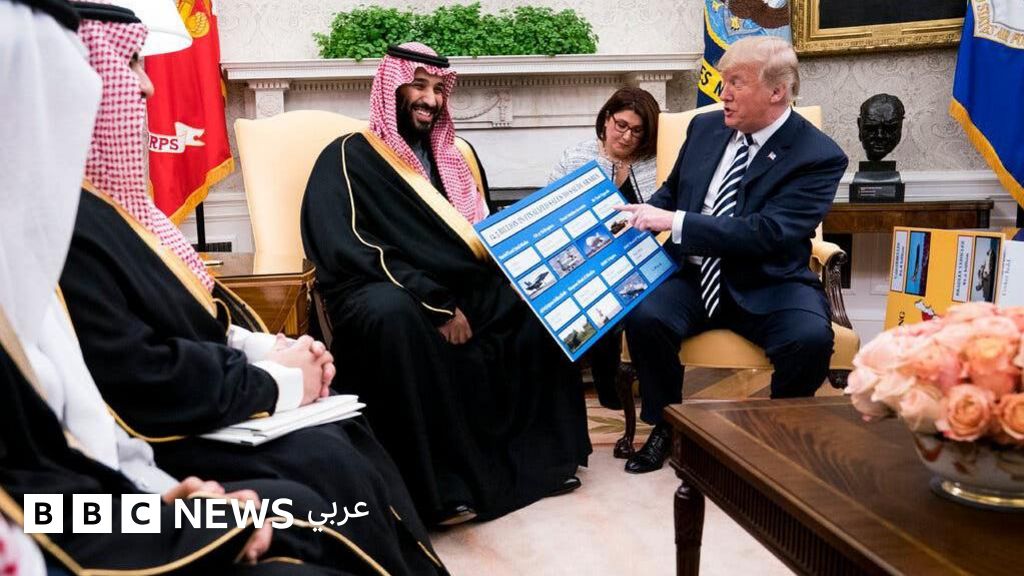
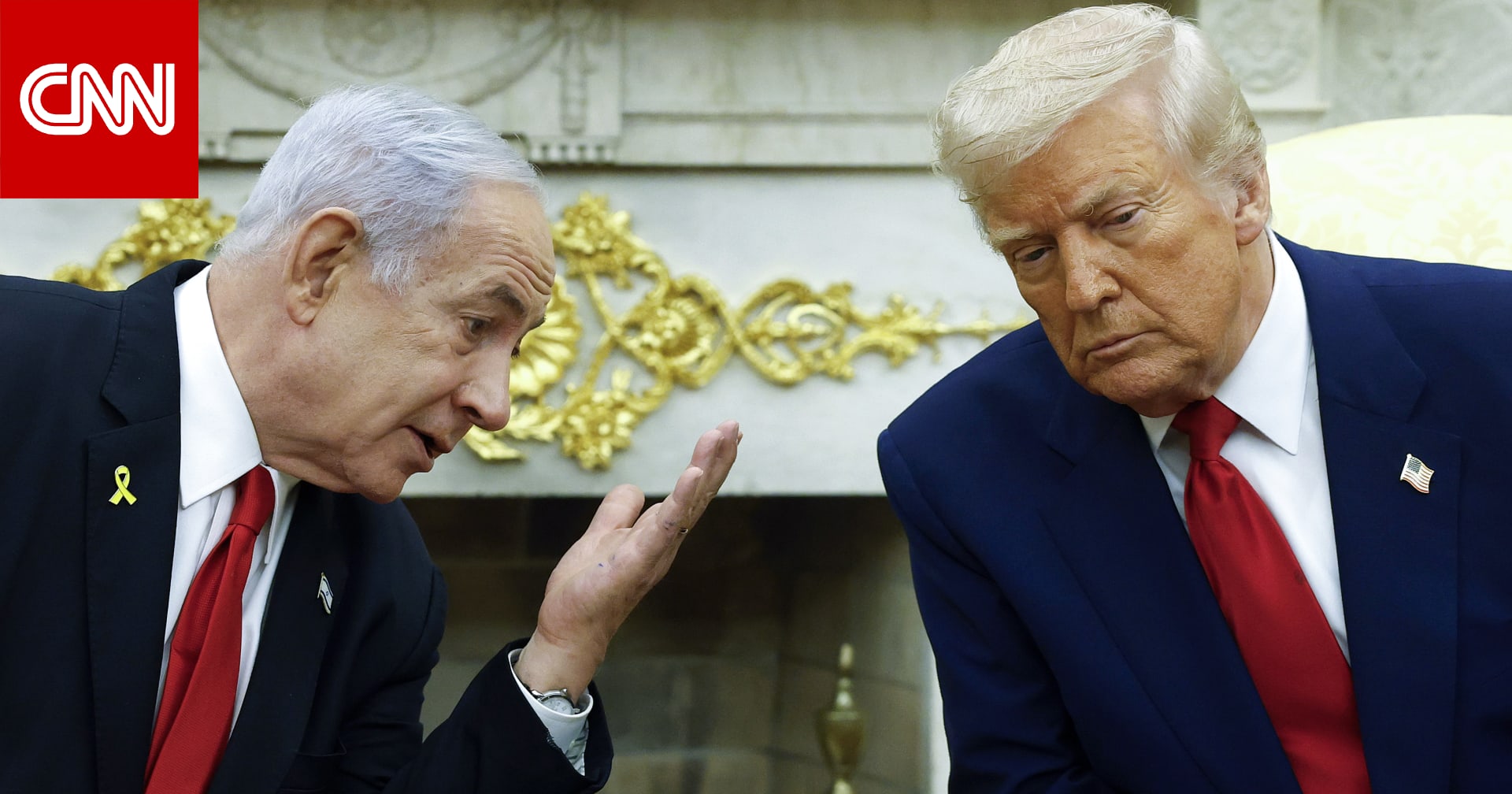
Image caption: Trump's nuclear deal with Saudi Arabia without restrictions or controls could open a nuclear arms race in the region
Report published 12 minutes ago.
This agreement comes at a time of rising tensions over Iran's nuclear program and the regional nuclear race.
Reading time: 5 minutes
Beginning with The Telegraph newspaper, which discussed the repercussions of US President Donald Trump's approval of a nuclear deal with the Kingdom of Saudi Arabia that allows it to develop a civilian nuclear program, in a report titled: "Trump-Saudi nuclear deal will only encourage Iran."
Writer Hans van Leeuwen, economic affairs editor, said Trump sees only financial gains from the deal, and does not see the risks that could affect the nuclear non-proliferation regime in the Middle East and the world. The writer believes that the deal, in its current form, could backfire by encouraging Iran to move forward with its nuclear ambitions rather than curbing them.
The article points out that the idea of helping Saudi Arabia develop civilian nuclear energy is not new, and Riyadh's desire to diversify energy sources is legitimate, especially since the neighboring UAE already has a civilian nuclear program contributing a significant share of its electricity production. However, the main concern is not about building nuclear plants themselves, but about the safeguards and restrictions accompanying this program.
Skip content and continue reading
United States signs historic nuclear deal with Saudi Arabia 8 hours ago
How did Trump plunge the United States into numerous crises? - The Guardian 21 July 2026
Pakistan-Saudi mutual defense agreement.. Does it include nuclear weapons? 18 September 2025
content end
The writer explains that the US nuclear deal with the UAE included what is known as the "gold standard," a clause preventing Abu Dhabi from enriching uranium or reprocessing spent nuclear fuel, the two essential steps for producing a nuclear weapon, and it imports enriched fuel from abroad. The dangerous part for Saudi Arabia is the possibility of enriching uranium inside its territory, which raises widespread concerns about the potential future use of these capabilities for military purposes.
There are additional concerns about the absence of the "Additional Protocol" of the International Atomic Energy Agency, which grants the agency broad powers and surprise inspections of nuclear sites and facilities, including those not officially declared by the state.
The report warns that applying rules selectively or granting exemptions to some countries undermines the credibility of the international system and pushes other countries to think in terms of power and direct security interests, exposing the Middle East to the risk of a new nuclear arms race.
The writer cites a previous statement by Saudi Crown Prince Mohammed bin Salman in 2018, in which he affirmed that the Kingdom would seek to possess a nuclear weapon if Iran managed to obtain a nuclear bomb. Granting Saudi Arabia greater control over the nuclear fuel cycle could push Iran to become more rigid in its nuclear program, especially given its feeling of threat from Israel's undeclared nuclear capabilities.
Iraq's dilemma between Iran and America
Image caption: Iraq is economically, politically, and oil-linked to Iran, and any sanctions on it affect the Iraqi citizen
We continue with Middle East issues, and from The Guardian, a long report discussed the current situation in Iraq and the highly complex geopolitical dilemma it faces in light of the war between the United States and Iran.
Skip most read and continue reading
What is the story of the Egyptian child "Mikari Younan" who was excluded because of his religion?
Washington accuses Tehran of violating agreements, and Iran announces striking US military targets in Jordan and Kuwait
OpenAI's artificial intelligence systems go out of control and launch an "unprecedented" cyberattack
Why does Iran risk so much for the Strait of Hormuz?
Skip podcast and continue reading
Worth paying attention to
In-depth explanation of the most prominent events and topics, to help you understand the most important changes around you and their impact on your life
Episodes
Podcast end
The report was titled: "Iraq's Impossible Dilemma: Why the Country Finds Itself Trapped Between Iran and the United States", by British writer of Iraqi origin Ghaith Abdul-Ahad, and explained how Iraq's geographic location and political and security structure made it difficult for Baghdad to fully side with any party without paying a heavy price.
He spoke about how Iranian influence has been entrenched over the past two decades through political, economic, and religious relations, in addition to armed factions including the "Popular Mobilization Forces", and although they are part of the official Iraqi security apparatus, they often maintain agendas that go beyond the central government's authority, putting Baghdad in an awkward position when tensions escalate between Iran and its adversaries.
In contrast, the United States dominates the fields of security, military training, and economic and diplomatic support in Iraq, and Washington maintains close ties with Iraqi state institutions, playing an important role in supporting Iraqi forces during the war against the Islamic State (ISIS).
However, the writer believes that the Iraqi government constantly seeks to follow a delicate balancing policy between the two sides. On one hand, it cannot abandon relations with the United States due to its need for security support, investments, and international relations. On the other hand, it cannot confront Iran or reduce its influence.
But Baghdad faces difficulties in maintaining balance amid the escalating confrontation between Washington and Tehran; rather, Iraq has become an arena for exchanging messages and pressures between the two sides, and suffers attacks targeting American interests or others targeting Iran-backed armed factions.
The writer points out that these pressures shake Iraqi sovereignty and force Iraqi leaders to deal with crises over whose causes they do not have full control.
The report concludes that Iraq is not facing just a temporary crisis, but a continuous strategic dilemma. While Iraqi officials try to pursue a policy of neutrality and balance, any new escalation in the region may threaten this approach and return Iraq to the cycle of conflict it long sought to escape.
Heat hits the economy
Image caption: Heatwaves cost the British economy about £1.15 billion
Regarding the current heatwave, a report published by the Express newspaper showed that Britain is suffering severely from the heat, which cost the economy about £1.15 billion, due to the impact on workers and wastage of about 24 million working hours.
The newspaper tracked data on three heatwaves that hit the country since the beginning of the year, peaking last month when the temperature reached 37.7°C, according to a study by the London School of Economics and the CMCC climate research center.
The study surveyed 1,950 people across the United Kingdom about the impact of high heat on work, health, and mobility, and found that 4% of workers, equivalent to 1.25 million people, were unable to work during the week the heatwave began, resulting in an additional loss of 8 million working hours and an estimated economic cost of about £380 million.
Original source: BBC Arabic


Comments (0)
Be the first to comment.