First Comment from Netanyahu on Trump's Condition Regarding Nuclear Deal Between US and Saudi Arabia
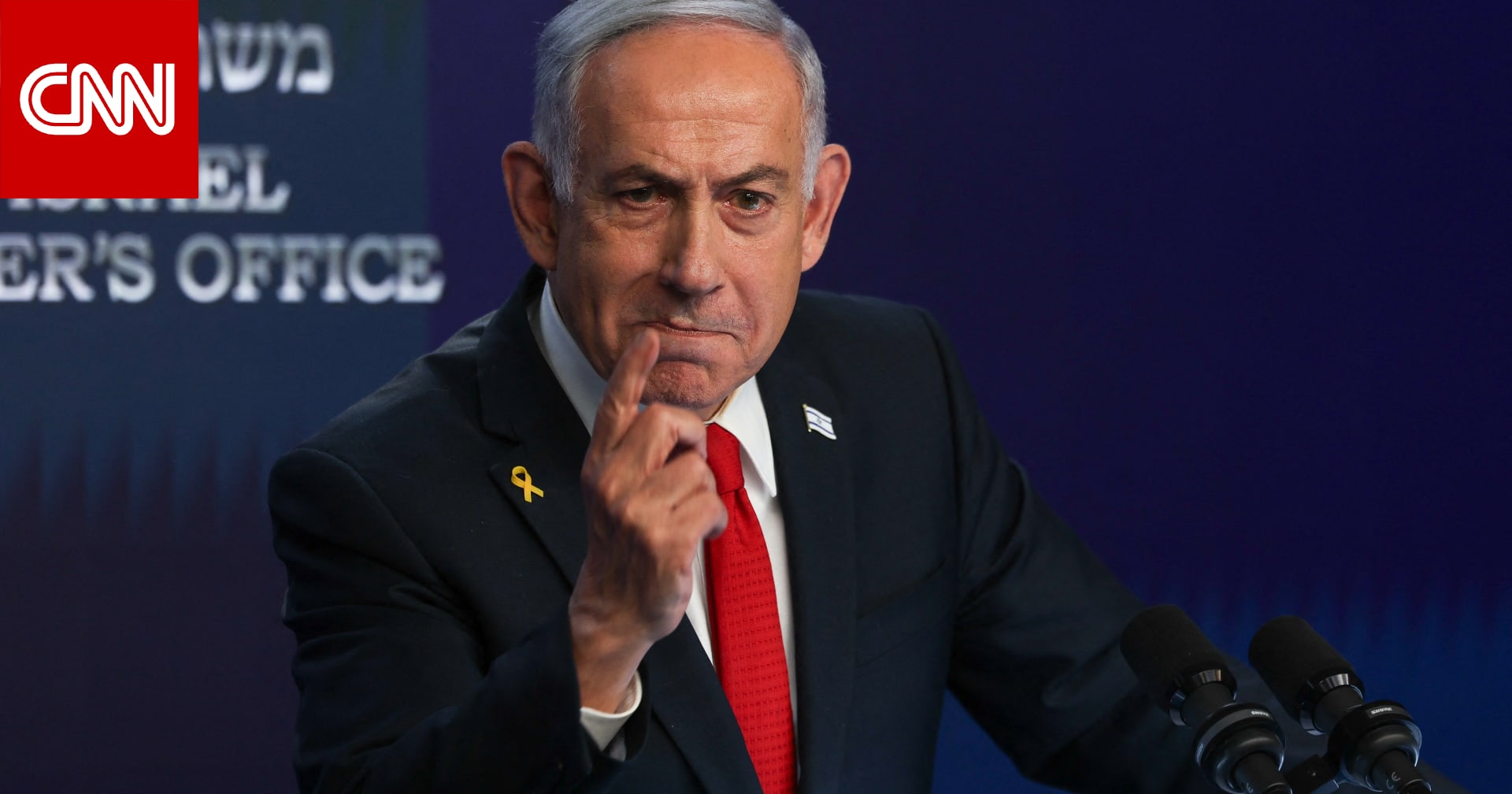
Israeli Prime Minister Benjamin Netanyahu praised the new condition set by US President Donald Trump regarding the nuclear deal with Saudi Arabia.
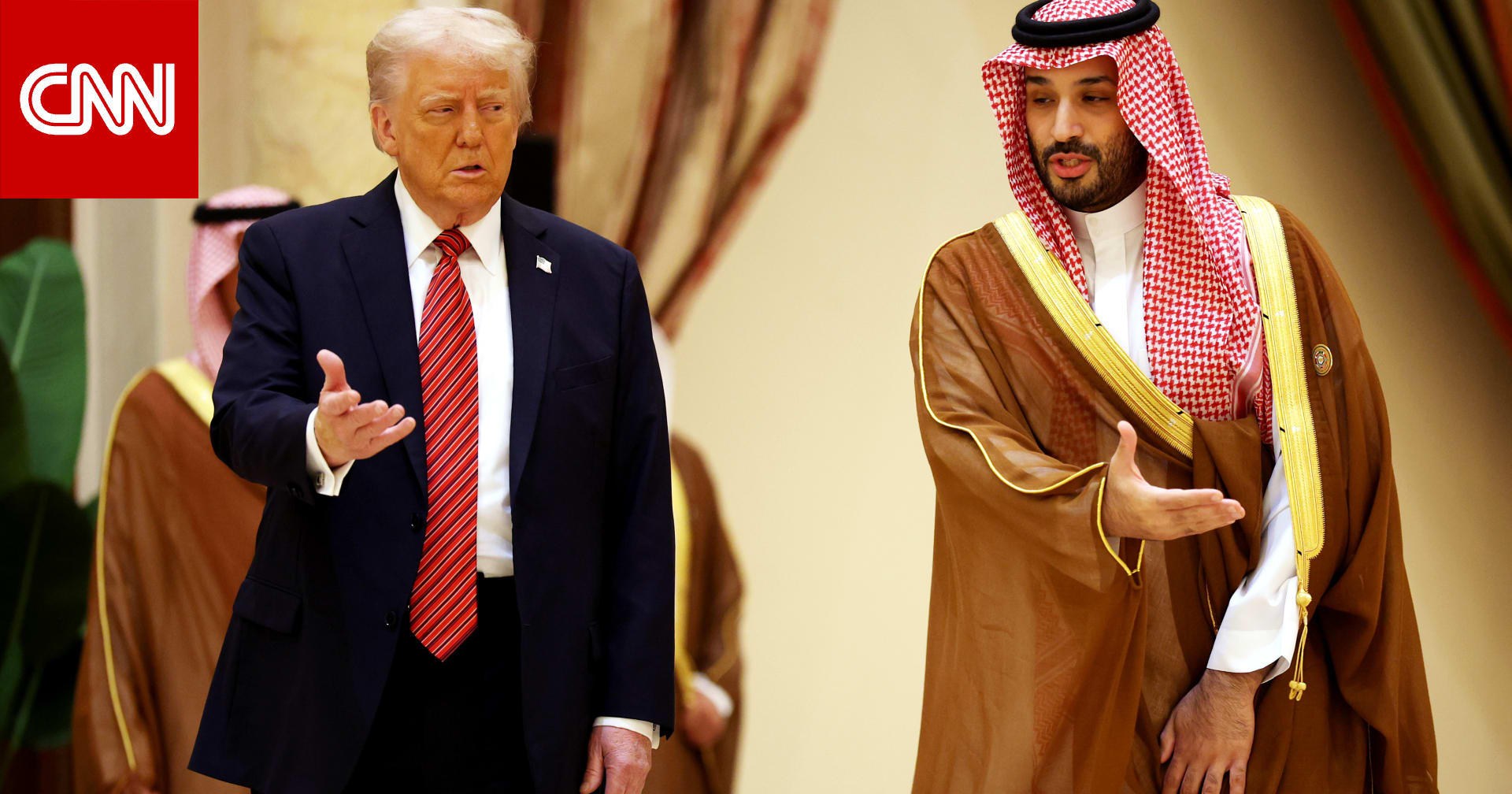
Israeli Prime Minister Benjamin Netanyahu praised the condition set by US President Donald Trump to complete the nuclear deal with Saudi Arabia, which is Riyadh's joining the Abraham Accords.
Netanyahu's remarks come as the Trump administration seeks to bolster the Abraham Accords as one of the most prominent achievements of its foreign policy.
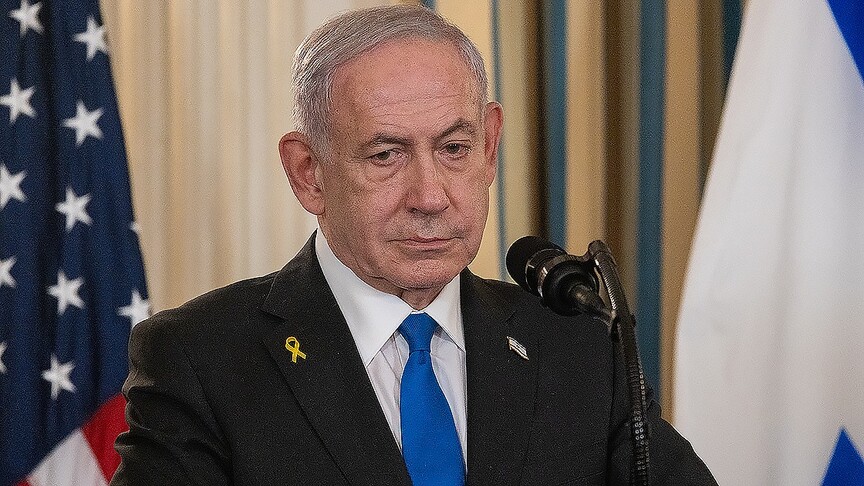
In a statement released following Trump's comment on conditioning Saudi Arabia's joining the Abraham Accords, Netanyahu's office said: 'Saudi Arabia's joining the Abraham Accords would represent a historic leap forward for peace in the Middle East.'
This is Netanyahu's first public comment on the deal, which could allow the Gulf state to enrich uranium without international oversight, at a time when other Israeli politicians described the deal as a 'strategic disaster.'
For his part, former Israeli Defense Minister Avigdor Lieberman criticized the deal in a post on platform 'X' (formerly Twitter), stating that allowing Saudi Arabia a civilian nuclear program 'will end in possession of nuclear weapons and lead to a runaway arms race across the Middle East.'
The 'Abraham Accords' are the most prominent foreign policy achievement of Trump during his first term, resulting in the normalization of relations between Israel and the United Arab Emirates, Bahrain, and other countries.
However, Riyadh has stressed that its joining the Abraham Accords is conditional on a practical path to establishing a Palestinian state, a condition Netanyahu has explicitly rejected.
US Energy Secretary Chris Wright and his Saudi counterpart signed, on Wednesday, the agreement that allows the kingdom to develop a civilian nuclear program.
The agreement is expected to undergo scrutiny in the US Congress.
The potential nuclear deal with Saudi Arabia is sparking wide debate in Israel, which considers itself the sole nuclear power in the region. While Netanyahu sees normalization as a historic opportunity, his opponents warn of the risks of nuclear proliferation. The deal is subject to US congressional scrutiny and may face domestic obstacles in Israel and Saudi Arabia. The Saudi condition for establishing a Palestinian state remains a major obstacle to any progress in normalization.
Original source: CNN Arabic


Comments (0)
Be the first to comment.