Vance's Statements Towards Israel: Is the Gap Between Washington and Tel Aviv Widening?
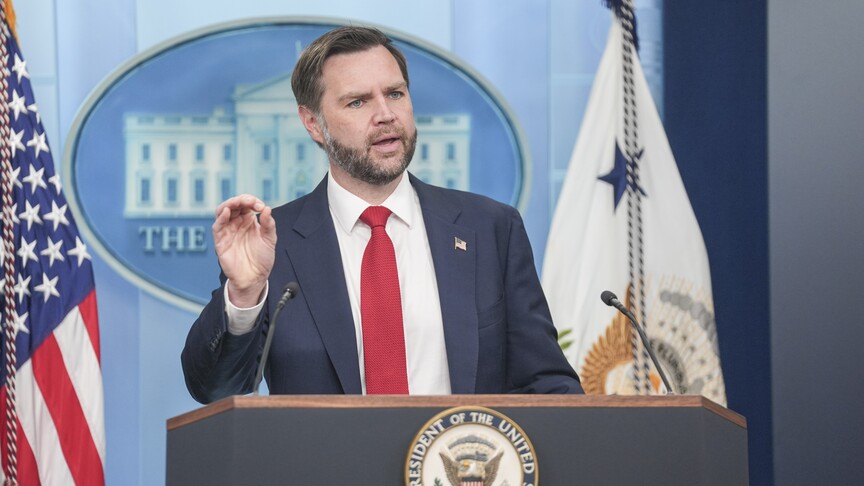
Vance's statements reveal growing divergences between the US administration and the Israeli government, but they do not yet indicate a break, but rather a phase that may witness a gradual reshaping of the relationship if Tel Aviv continues its current policies.
RAMALLAH / Qais Abu Samra / Anadolu
Analysts said in separate interviews with Anadolu:
**Specialist in Israeli affairs Khaldoun Al-Barghouti:
- Vance's statements do not represent a sudden shift in his positions, but rather align with his approach based on rejecting US engagement in new wars and reducing its military intervention abroad, which contradicts Tel Aviv's vision.
- The divergences between the two countries do not mean a break, and the Trump administration remains the closest to Israeli positions compared to its predecessors.
**Specialist in Israeli affairs Ismat Mansour:
- Netanyahu's policies have widened the gap between Tel Aviv and broad sectors within the United States.
- Israel faces a strategic challenge represented by the erosion of its traditional support base within Washington.
**Director of Yabus Center for Studies, Suleiman Bisharat:
- Vance's statements represent an indicator of the beginning of a gradual shift in the American view of Israel at official and popular levels.
- These statements may be an indicator of a broader debate within Washington about the future of the relationship with Israel.
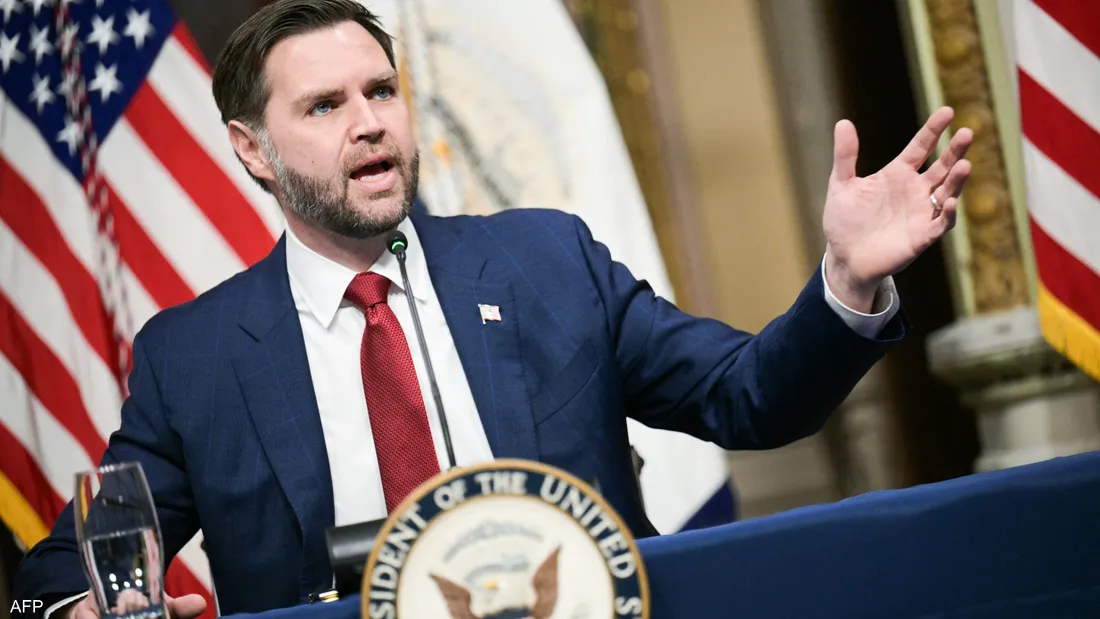
The statements of US Vice President JD Vance, in which he accused officials in the Israeli government of trying to influence US policy towards Iran, reopened questions about the nature of the relationship between President Donald Trump's administration and Benjamin Netanyahu's government, and whether they reflect the beginning of a shift in the US stance towards Israel, or are merely tactical differences that do not affect the essence of the strategic alliance between the two countries.
On Thursday, Vance said in press statements that some Israeli officials sought to influence American public opinion to thwart the diplomatic track with Iran, stressing that US foreign policy should be formulated in Washington, and that preventing Iran from possessing a nuclear weapon does not necessarily mean being dragged into a new war in the Middle East.
These statements come amid rising tension between Washington and Tel Aviv against the backdrop of US understandings with Iran, as the two sides signed on June 18 a memorandum of understanding that included a ceasefire and the start of negotiations mediated by Pakistan and Qatar to end the war that the United States and Israel launched against Iran on February 28.
However, Trump announced on July 8 the end of the ceasefire due to renewed escalation, after Iran attacked three ships the day before while passing through the Strait of Hormuz, claiming they did not adhere to the navigation path set by it. Washington responded by launching attacks on sites inside Iran.
Palestinian political analysts, in separate interviews with Anadolu, say that Vance's statements reveal growing divergences between the US administration and the Israeli government, but they do not yet indicate a break, but rather a phase that may witness a gradual reshaping of the relationship if Tel Aviv continues its current policies.
**"Disagreement, Not a Break"
Israeli affairs specialist Khaldoun Al-Barghouti believes that Vance's statements do not represent a sudden shift in his positions, but rather are consistent with his declared approach for months, based on rejecting US involvement in new wars and reducing its military intervention abroad, which contradicts the Israeli vision that, according to him, used to push Washington into fighting conflicts that serve its interests in the region.
Al-Barghouti says that Vance's critical positions towards the Israeli government have raised concern in Tel Aviv, especially with increasing talk of his possible candidacy for the presidency after Trump's term ends, as Israel sees that the arrival of a Republican president who adopts a policy of reducing US military interventions may not serve its interests, at a time when the Democratic Party itself is witnessing an increase in voices critical of Israel.
He adds that these concerns may explain what he described as the beginning of an early Israeli campaign targeting Vance politically, to prevent him from becoming the most prominent Republican candidate, because his arrival at the White House could mean a decline in the US willingness to engage in regional conflicts in defense of Israel.
However, Al-Barghouti stresses that these divergences do not mean a break between the Trump administration and the Israeli government, emphasizing that the current US administration is still the closest to Israeli positions compared to its predecessors, and that the essence of the strategic relationship between the two countries has not changed.
He believes that the nature of the relationship will remain largely tied to the decisions of President Trump, who sometimes shifts between adopting Netanyahu's positions, especially towards Iran, and pressuring the Israeli government when he sees that US interests require that, citing recent US pressure to push Israel to withdraw from southern Lebanon and focus on the Iranian file.
Al-Barghouti also does not rule out a widening of the gap between Washington and Tel Aviv as the electoral deadlines in Israel approach, if Netanyahu's political calculations conflict with the US administration's desire to return to understandings with Iran, considering that this conflict could lead to unprecedented political friction between the two sides.
** "Erosion of Traditional Support"
Israeli affairs specialist Ismat Mansour believes that Vance's statements cannot be separated from the transformations that have occurred in the relationship between Israel and the United States in recent years, considering that the problem lies not in his statements per se, but in the policies pursued by Netanyahu, which have widened the gap with broad sectors within the United States.
Mansour says that Netanyahu sought to use the relationship with Washington to serve his political and personal interests, which generated a state of aversion within US decision-making circles, at a time when awareness is growing within Israel that Vance may be the most prominent Republican candidate to succeed Trump, which raised concern due to the difference in his positions from the traditional approach that Israeli governments were accustomed to.
He points out that concern about the future of the relationship with Washington is no longer limited to political circles, but extends to research centers and former security officials, who are increasingly talking about the damage inflicted by Netanyahu on the strategic relationship with the United States.
Mansour considers that the most prominent of these damages is the breaking of the traditional consensus within the United States regarding support for Israel, after Netanyahu's clear bias towards the Republican Party led to a decline in support within the Democratic Party, which weakened one of the most important sources of Israel's political power in Washington.
He adds that the continuation of the war in Gaza and the absence of any political horizon, along with the rhetoric of the Israeli government, have contributed to the decline of Israel's image among the American public, a shift that is no longer limited to parties and political elites, but has extended to currents that were traditionally closer to Israel.
He concludes that Israel faces a strategic challenge represented by the erosion of its traditional support base within the United States, which requires any future Israeli leadership to rebuild the relationship with both the Republican and Democratic parties to maintain Israel's status in American politics.
***"Beginning of a Gradual Shift"
As for the Director of Yabus Center for Studies, Suleiman Bisharat, he sees that Vance's statements represent an indicator of the beginning of a gradual shift in the American view of Israel, whether at the level of public opinion or political elites and decision-makers.
Original source: Anadolu Agency


Comments (0)
Be the first to comment.