Washington and Tehran Avoid Open Confrontation and Continue Managing the Crisis
US-Iran relations enter a new phase of balance between escalation and containment, as both sides are keen to avoid war while continuing pressures and diplomatic efforts.
Open confrontation or comprehensive settlement?!
The report was published on July 23, 2026, and last updated at 00:35 on the same day.
Relations between the United States and Iran have been characterized by tension and conflict for decades, influenced by regional and international variables.
Follow Okaz channel on WhatsApp
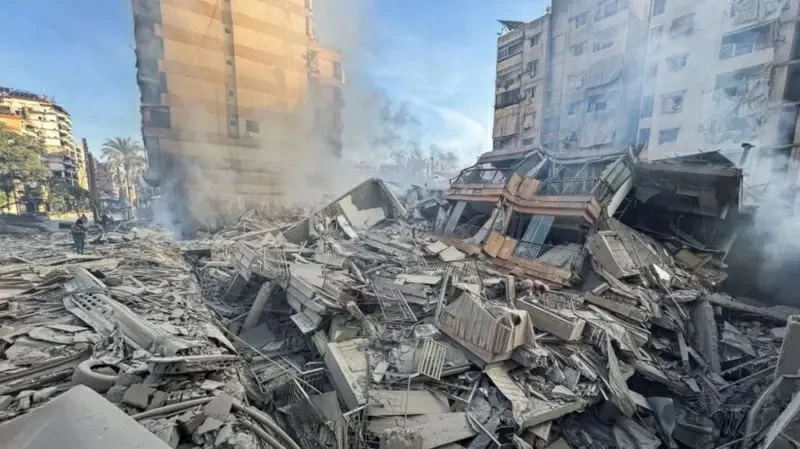
The relationship between the United States and Iran has entered a new phase of testing the balance between escalation and containment, rather than moving toward open confrontation or comprehensive settlement. Both sides realize that any slide into a larger clash would have regional and international repercussions that are difficult to contain, whether on the security of the region or on energy markets and the global economy.
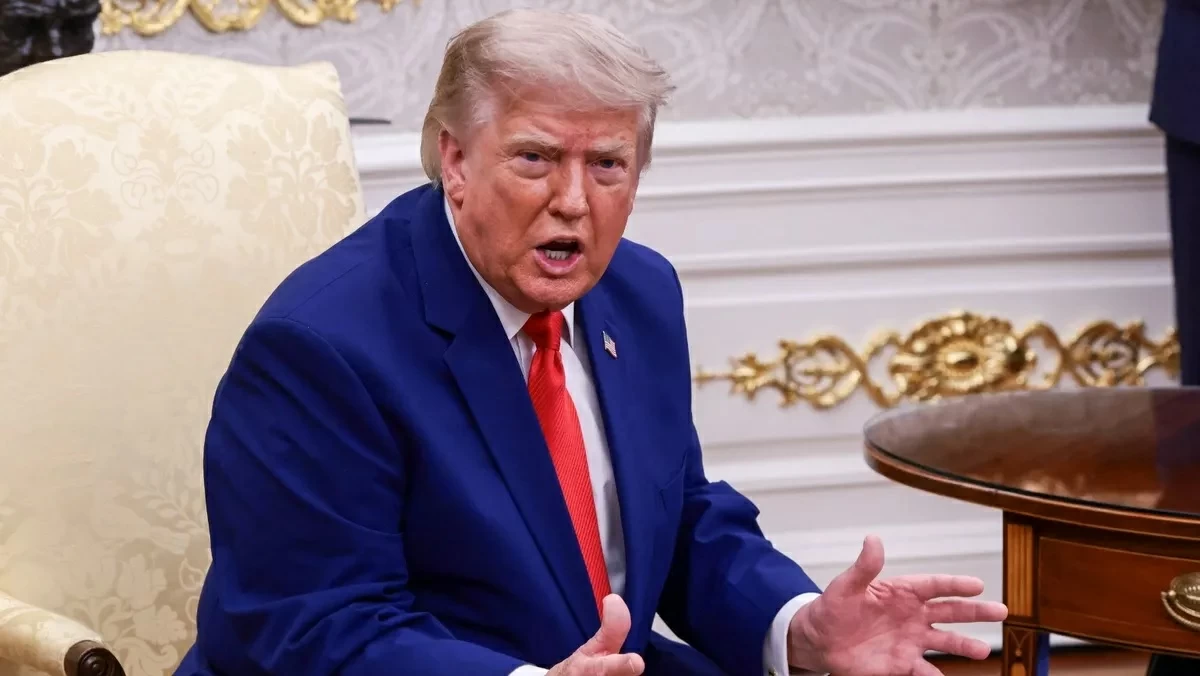
Washington seeks to prevent Tehran from expanding its military influence or acquiring military nuclear capabilities, while being careful to avoid a new war. Therefore, it balances between military and economic pressures and keeps diplomatic channels open.
For its part, Tehran tries to maneuver and buy time, but it realizes that continuing direct confrontation increases internal economic pressures and international isolation, so it balances between calculated escalation and showing readiness to negotiate.
Therefore, a temporary truce based on reducing tension in exchange for avoiding provocative steps cannot be ruled out, without resolving fundamental differences. But any calm will remain fragile and liable to collapse with any sudden incident, especially in the Strait of Hormuz.
Accordingly, the likely scenario in the coming period will not be lasting peace nor all-out war, but rather the continuation of the 'crisis management' policy, with the two sides exchanging pressures and messages, while maintaining communication channels to avoid an explosion of confrontation whose consequences would be difficult to contain.
The next phase seems likely to see the continuation of the crisis management policy without reaching lasting peace or all-out war. The two sides will continue exchanging pressures and messages, while maintaining communication channels to avoid an explosion of confrontation that would be difficult to contain. Any potential calm will be fragile and may collapse with any sudden development in the region, especially in the Strait of Hormuz. In the end, the most likely options remain calculated escalation or temporary calm, not comprehensive settlement.
Original source: Okaz




Comments (0)
Be the first to comment.