Why Did Lebanon Return to the White House?
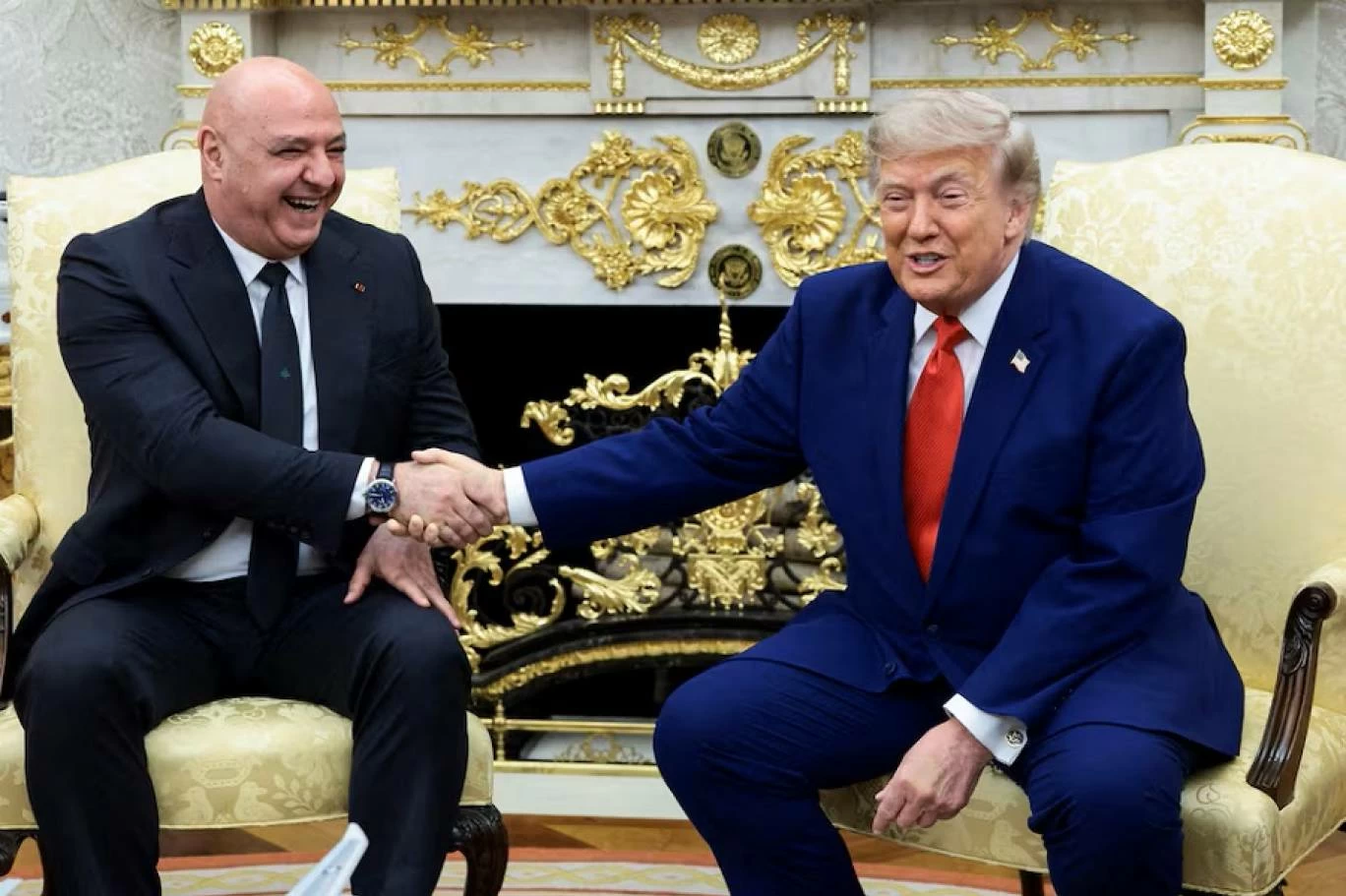
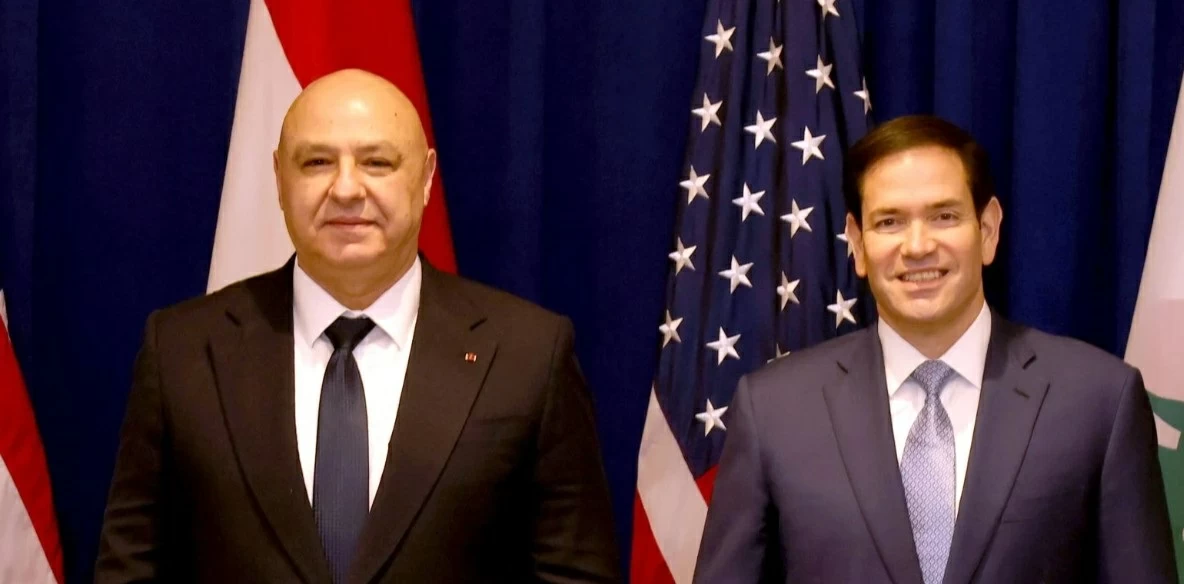
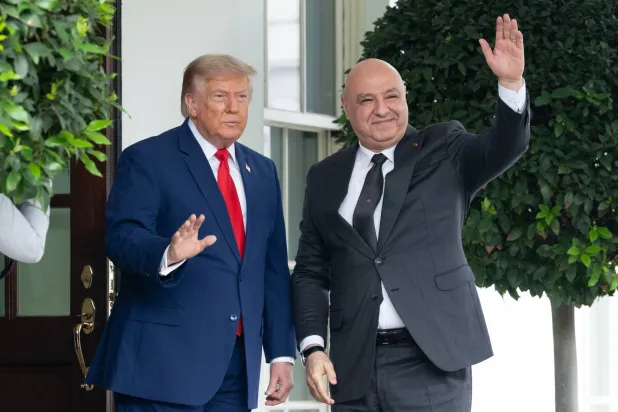
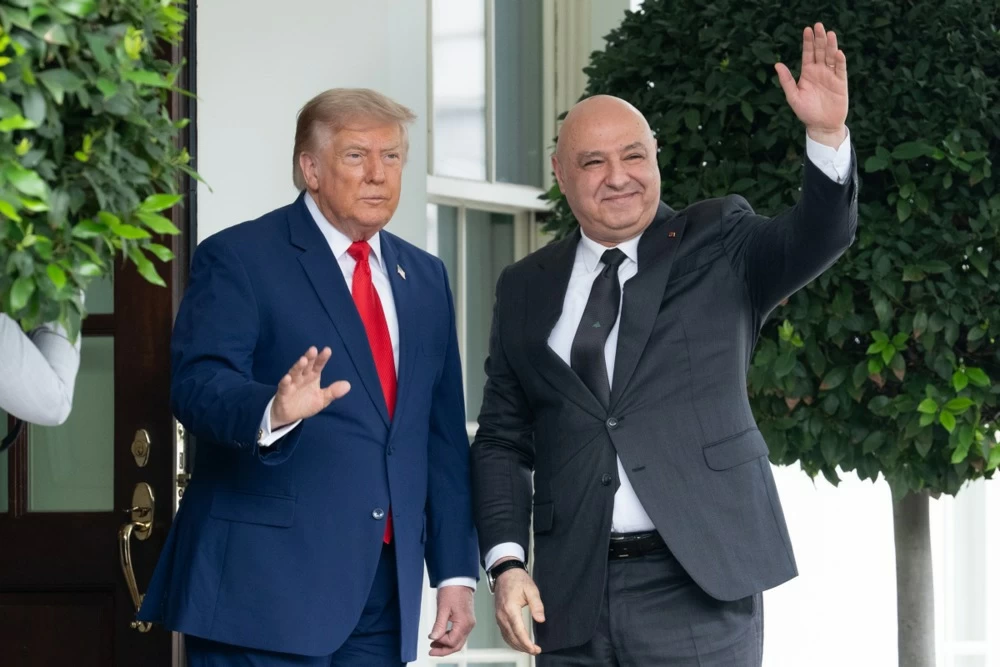
For 17 years, no Lebanese president entered the Oval Office, as Lebanon was treated merely as a security file rather than a priority at the decision-making level. The recent summit between Donald Trump and Joseph Aoun signals a shift in the U.S. approach, repositioning Lebanon within a broader regional restructuring. While Washington offers a partnership and potential support tied to state responsibilities and reforms, President Aoun insists on crucial prerequisites including Israeli withdrawal and military backing.
For 17 years, no Lebanese president has entered the Oval Office. Since the last presidential visit in 2009, Lebanon has not been absent from Washington, but it has been absent from the decision-making level.
It remained a security file managed by the State Department, the Pentagon, and intelligence agencies, while American priorities were shaped elsewhere.
A Broader Regional Project
Therefore, the question posed by the summit between Donald Trump and Joseph Aoun is not what transpired in the Oval Office, but why the White House decided at this particular time to bring Lebanon back to the forefront of attention.
The answer does not start from Beirut, but from the Middle East. The U.S. administration is restructuring the region on different foundations, having become convinced that the maps of influence that governed the past two decades have exhausted their utility.
In this approach, Lebanon appears to be a candidate for transitioning from the position of an arena receiving the repercussions of conflicts to the position of a state directly concerned with reproducing some of the balances of the coming phase. Hence, Aoun's visit served as a link in a broader regional project, which also explains the preceding meetings with regional leaders, as well as the unusual presence of the Vice President, the Secretary of Defense, and the Secretary of the Treasury in part of the discussions.
A Partner Carrying the Settlement
For this reason as well, Trump appeared different. It was neither a change in temperament nor a mere courtesy to a president visiting Washington for the first time. The U.S. administration knows that any new path in Lebanon requires an authority possessing a minimum of internal legitimacy, and a president who does not begin his term with a confrontation with Washington, but rather with a partnership. Therefore, positive messages emerged—from praising President Aoun and discussing the Lebanese army, to an unexpected commendation of Parliament Speaker Nabih Berri—as if the administration was trying to convey that it is not seeking a winner and a loser within Lebanon, but rather a partner capable of carrying the settlement.
However, behind this calm language, there was a much stricter message. Washington did not offer Lebanon a support deal, but a deal of responsibilities. For the first time, it seemed that military aid, investments, economic openness, and even pressure on Israel to complete its withdrawal were all placed in a single basket titled: What will the Lebanese state do? The requirement is not to manage internal balances, but to change them. The standard of success is not preventing collapse, but restoring the state's security and sovereign functions.
Lebanon and Investing the Moment
In response, President Aoun tried to establish an equally important equation. The state cannot be asked to bear its full responsibilities while parts of southern Lebanon remain under occupation, nor can the army be tasked with fateful missions without providing the capabilities that allow it to execute them. Therefore, the issues of Israeli withdrawal and support for the military institution were not merely two negotiating items, but rather the conditions—so to speak—upon which Lebanon wanted to build any subsequent commitment.
Thus, the Washington summit reveals a reality that may be more important than everything said during it: the United States has not changed its policy toward Lebanon as much as it has changed Lebanon's position within its policy. This is a fundamental difference. When a small country becomes part of a large regional project, opportunities turn into tests, and promises turn into mutual commitments.
The question that will remain open after the summit is about Lebanon's ability to capitalize on a rare moment that political history may never grant it a second similar opportunity to seize.
Original source: Okaz
Comments (0)
Be the first to comment.