"You Are the Failure, Not the Soldiers": Heated Confrontation Between Senator and U.S. Secretary of War

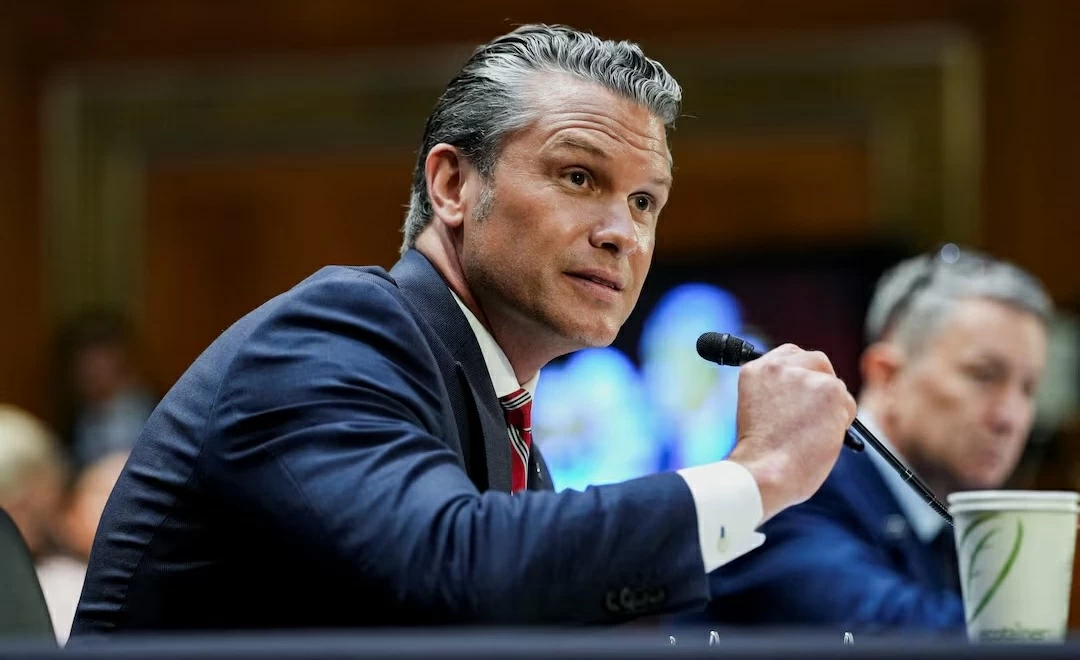
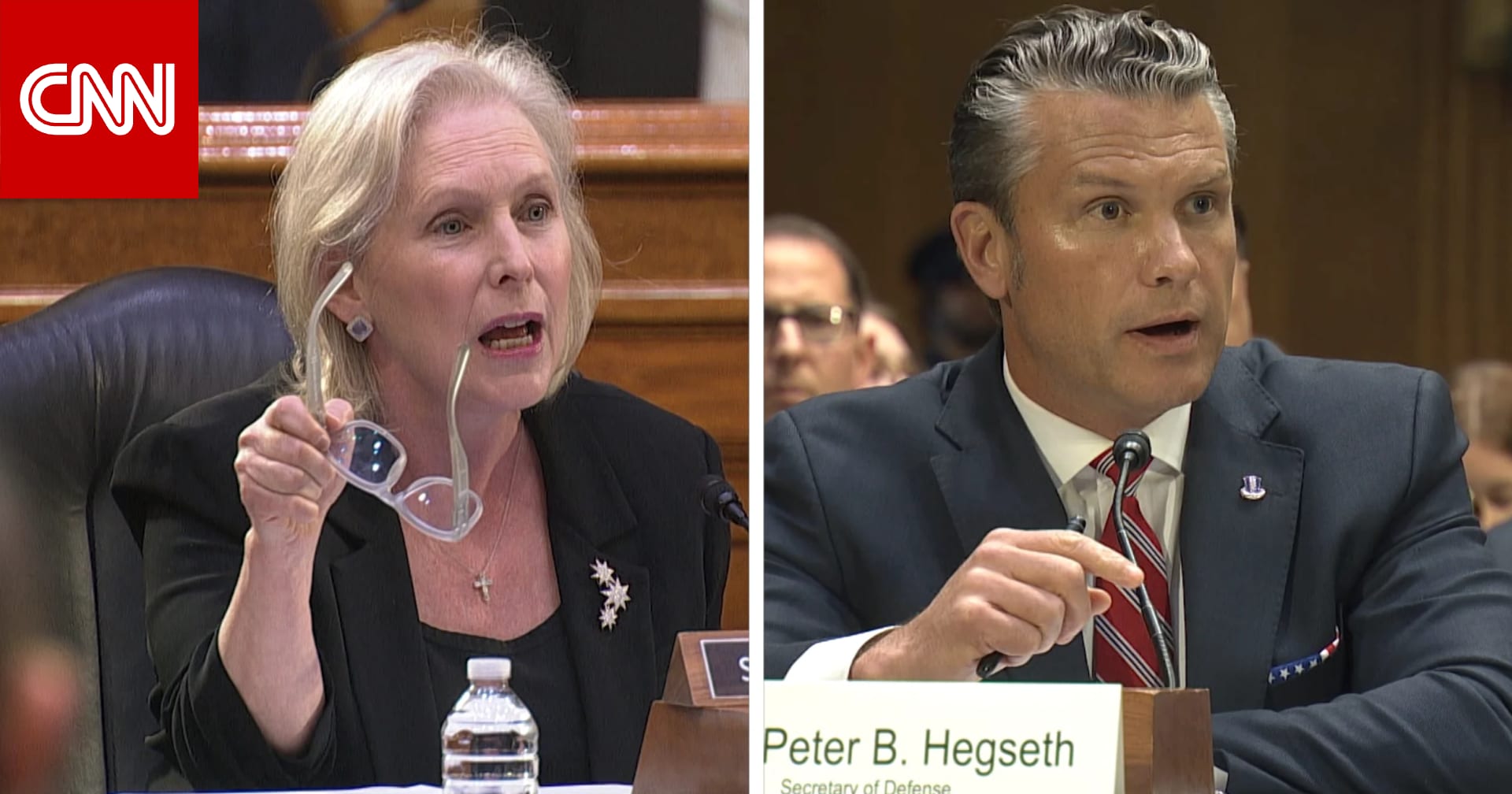
A heated verbal exchange took place during a Senate hearing between Democratic Senator Gary Peters and Secretary of War Pete Hegseth, after the two sides traded accusations regarding the U.S. war management in Iran and the strategy followed by the administration of President Donald Trump.
During the session, Peters criticized the U.S. administration's request for additional funding for military operations, questioning the strategy Washington is following to achieve victory in the war, and accusing Hegseth of lacking a clear plan or long-term vision.
Peters said that the secretary 'failed to win the war,' before directing sharp personal criticisms at him, stressing that the problem is not with the American soldiers who carry out their duties, but with the political and military leadership.
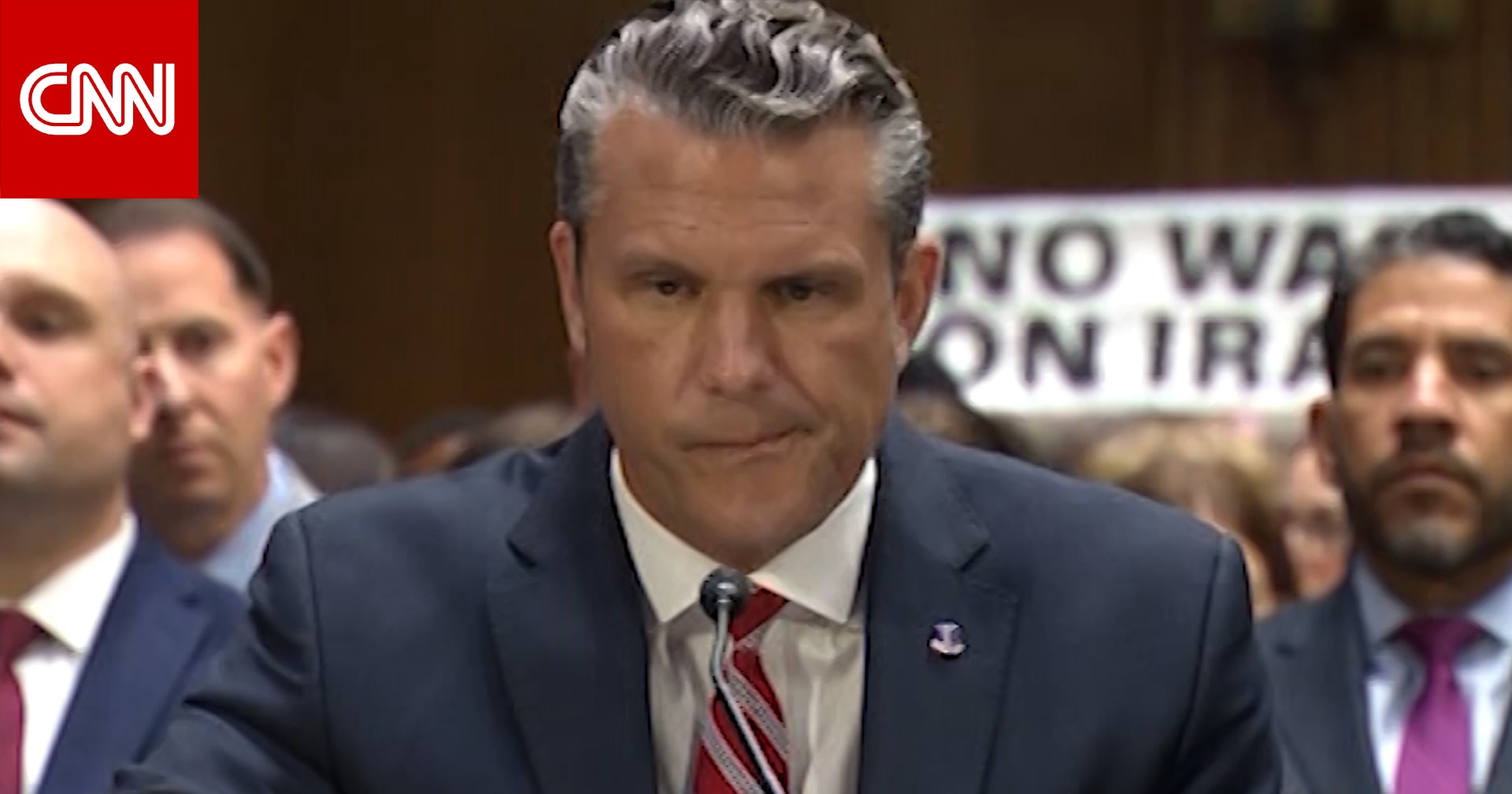
Hegseth angrily responded to Peters' description of U.S. military efforts as 'failed,' considering the senator's statements 'reckless and irresponsible' and an insult to the sacrifices of American forces.
But Peters escalated his tone, telling the Secretary of War: 'You, sir, are the failure,' adding that the soldiers are not the failures, but rather the absence of a clear strategy for achieving victory is the fundamental problem.
Peters also accused Hegseth of being overly focused on defending President Donald Trump, at a time when he should have provided clear answers to Congress regarding the progress of military operations, the costs of the war, and its future.
In response, Hegseth accused the Democratic senator of what he described as 'Trump Derangement Syndrome,' referring to what Republicans consider a biased rejection of everything the U.S. president's administration does.
The confrontation comes at a time when the Trump administration faces increasing pressure within Congress regarding the war in Iran, especially with rising military operation costs and the War Department's demand for additional funding, amid questions from senators about the war's objectives and the extent to which there is a clear plan to end it.
During the session, Hegseth estimated the cost of the war in Iran at about $37.5 billion, while defending the request for additional funding for military operations, asserting that U.S. forces need additional resources to continue their missions.
The session turned into one of the most intense political confrontations between Hegseth and members of Congress since he took office, amid rising criticisms directed at the Trump administration regarding the way it has managed the war, and the absence of a clear vision concerning the timeline of military operations and their financial and human repercussions.
The exchange between Peters and Hegseth reveals the extent of the division within Washington over the war, as Democrats believe that the U.S. administration is requesting additional funding without providing a clear strategy, while Republicans and the Trump administration assert that funding for the forces is necessary to continue operations and achieve U.S. national security objectives.
A heated exchange occurred during a Senate hearing between Democratic Senator Gary Peters and Secretary of War Pete Hegseth, as both sides traded accusations regarding the U.S. war management in Iran and the strategy followed by President Donald Trump's administration.
During the session, Peters criticized the Trump administration's request for additional funding for military operations, questioning the strategy Washington is following to achieve victory in the war, and accusing Hegseth of lacking a clear plan or long-term vision.
Peters stated that the secretary "failed to win the war," before directing sharp personal criticisms at him, asserting that the problem lies not with the American soldiers carrying out their missions, but with the political and military leadership.
Hegseth angrily responded to Peters' description of U.S. military efforts as "failed," considering the senator's remarks to be "reckless and irresponsible," and an insult to the sacrifices of American forces.
However, Peters escalated his tone, telling the Secretary of War: "You, sir, are the failure," adding that the soldiers are not the failures, but rather the absence of a clear strategy for achieving victory is the fundamental problem.
Peters also accused Hegseth of being overly focused on defending President Donald Trump, at a time when clear answers should have been provided to Congress regarding the progress of military operations, the costs of the war, and its future.
In response, Hegseth accused the Democratic senator of what he termed "Trump Derangement Syndrome," referring to what Republicans see as a biased rejection of everything the Trump administration does.
This confrontation comes at a time when the Trump administration is facing increasing pressure within Congress regarding the war in Iran, especially with rising military operation costs and the War Department's request for additional funding, amid questions from senators about the war's objectives and the existence of a clear plan to end it.
During the session, Hegseth estimated the cost of the war in Iran at about $37.5 billion, while defending the request for additional funding for military operations, asserting that American forces need extra resources to continue their missions.
The session turned into one of the most intense political confrontations between Hegseth and members of Congress since he took office, amid rising criticisms directed at the Trump administration regarding its management of the war, and the absence of a clear vision regarding the timeline of military operations and their financial and human implications.
The exchange between Peters and Hegseth reveals the extent of the division within Washington over the war, as Democrats believe the U.S. administration is requesting additional funding without providing a clear strategy, while Republicans and the Trump administration assert that funding for the forces is essential to continue operations and achieve U.S. national security objectives.
Original source: Okaz


Comments (0)
Be the first to comment.