Trump's tariff threats put Indian pharmaceutical exports under pressure

تواجه صناعة الأدوية البديلة في الهند تحديات جسيمة بعد تلويح واشنطن بفرض رسوم جمركية عالية، وسط مخاوف من تداعيات ذلك على أكبر سوق خارجية للصادرات الهندية خلال السنوات القادمة.
The US administration's plan to impose high tariffs on generic drug imports threatens the future of India's pharmaceutical industry exports to its largest overseas market.
Generic drugs are identical copies of original drugs in terms of active ingredient, dosage, efficacy, and safety, but are sold under a different name and at a lower price.
This comes as pressure mounts on companies to shift to producing higher value-added drugs, amid concerns that moving manufacturing operations to the United States would be costly and difficult to implement.
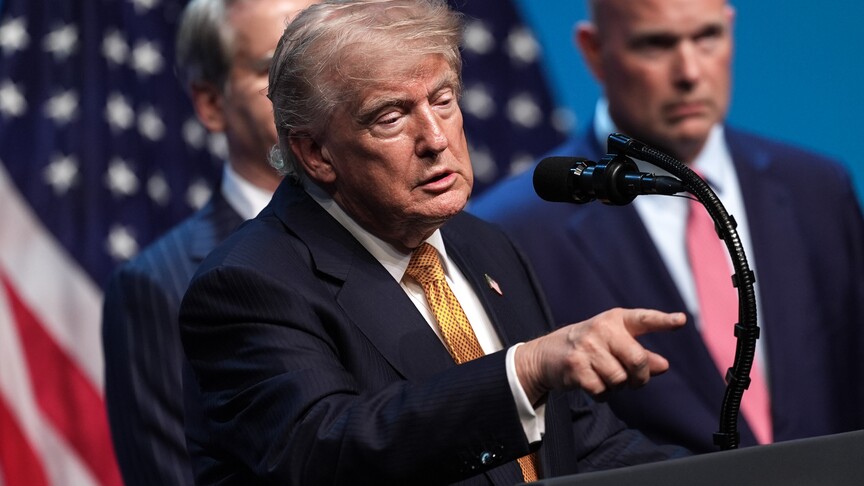
US President Donald Trump previously announced that he would give pharmaceutical companies a two-year grace period to boost their manufacturing inside the United States before imposing 100% tariffs on generic drug imports starting in 2028.
The tariffs that Trump threatened to impose are supposed to rise to 200% the following year.
Read also: Saudi Arabia and India discuss enhancing cooperation in energy and supply security
The move comes amid growing concerns in the United States over increasing reliance on imports for drug supply, after a Senate committee report indicated that the domestic manufacturing capacity of the sector has declined by about 46% since 2002.
This policy casts a shadow over major Indian pharmaceutical companies that have built their business on producing low-cost drugs after patent expirations, including treatments for diabetes, cancer, epilepsy, and neurological diseases.
According to estimates by the Global Trade Research Initiative (GTRI), the United States accounted for about 37% of India's pharmaceutical exports, which amounted to about $26 billion in 2025.
Financial markets quickly reflected these concerns, as shares of major Indian companies fell after the announcement, while analysts believe the time frame reduces the immediate impact but does not dispel uncertainty about the future of trade between the two countries.
India has more than 600 factories approved by the US Food and Drug Administration to export drugs to the US market, and major Indian companies have invested billions of dollars in acquiring US companies to expand their manufacturing presence inside the United States.
Similarly, Washington earlier announced that Indian companies, including Biocon, Glenmark, and Piramal Pharma, plan investments exceeding $19 billion in the US market.
However, transferring generic drug production to the United States remains a major challenge, given the limited profit margins and high operating costs, which may ultimately be reflected in drug prices for US consumers.
Experts believe that building an integrated US supply chain will require huge investments and may lead to higher treatment costs rather than reducing them.
On the other hand, these pressures may accelerate the shift of Indian pharmaceutical companies towards more profitable sectors, such as biologics, specialized therapies, and medical devices.
Some companies have already increased their investments in cancer treatments, women's health, and medical technologies, a move analysts say could accelerate if Washington goes ahead with the announced tariffs.
Observers also point out that US policy may see adjustments before it takes effect, given the political changes and upcoming presidential elections, which leaves the door open for reconsidering these measures.
Original source: Aleqtisadiah


Comments (0)
Be the first to comment.