Oil stabilizes at the end of a volatile week as talks between Washington and Tehran continue

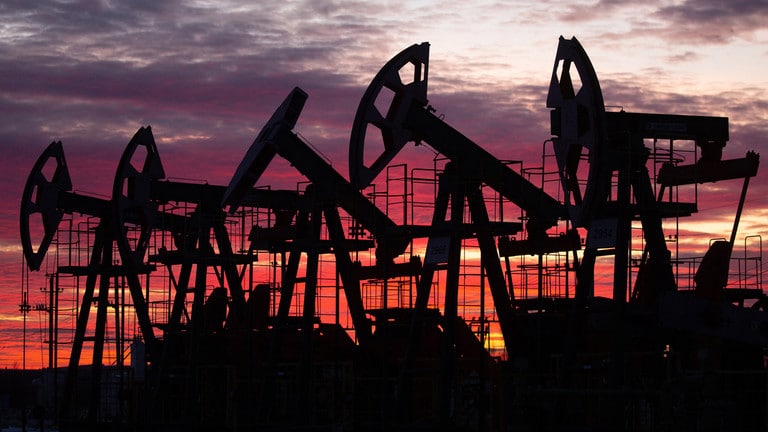
Oil prices stabilized at the end of a week marked by sharp volatility, as talks between the United States and Iran continue despite renewed military confrontations that led to a sharp decline in navigation traffic through the Strait of Hormuz.
Brent crude traded near $76 a barrel after losing more than 2% in Thursday's session, while West Texas Intermediate crude steadied below $72 a barrel.
According to a US official, technical talks between the two sides are still ongoing, emphasizing that Washington remains committed to reaching a diplomatic solution. Meanwhile, the fate of the previous truce remained unclear after US President Donald Trump declared the agreement "over."
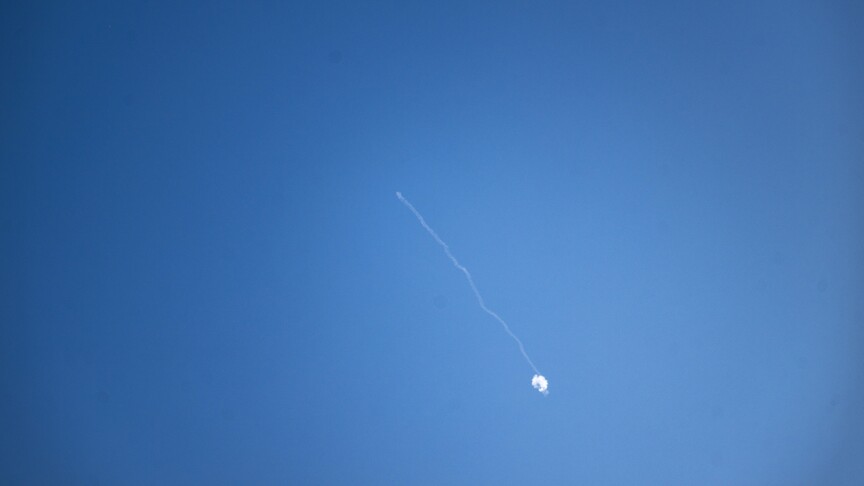
The developments came after a series of attacks targeting ships in the Strait of Hormuz, followed by US airstrikes that lasted two days against targets inside Iran this week, prompting Tehran to retaliate by targeting US bases in the region. However, both sides avoided sliding into a full-scale war, while some provisions of the interim agreement, which has not been officially canceled yet, remain in effect.
Gulf production under scrutiny
Despite the fluctuations, oil prices are heading for weekly gains amid continued slowdown in transit through the Strait of Hormuz due to tensions. Traders are watching production and sales levels from Gulf Arab states, led by Saudi Arabia, the largest crude exporter, which is preparing to soon announce monthly crude allocations to its customers.
"The market seems to view the recent tensions between the US and Iran as a challenge to the ceasefire track, not a complete collapse," said Warren Patterson, head of commodities strategy at ING Groep NV in Singapore. He added that reports indicating continued talks between Washington and Tehran bolster market confidence that a diplomatic solution remains the preferred option.
Thu, 09 2026
Ship traffic in the Strait of Hormuz appeared to have nearly come to a complete halt as of Thursday, as traders watch whether navigation will resume in the coming days. However, the continued departure of a limited number of oil tankers over the past weeks has helped to significantly reduce the congestion that was blocking ships inside the Arabian Gulf.
800 ships crossed the strait
The US Central Command said in a post on platform X that "Iran does not control the Strait of Hormuz," adding that US forces have assisted more than 800 ships in safe transit through the waterway since May. The strait is a major artery linking Gulf producers to global markets, and its status has been a key point of contention in the conflict between the US and Iran, with Tehran seeking to exert greater influence over navigation there.
Patterson added: "Despite the decline in oil tanker traffic through the Strait of Hormuz in recent days, it is still higher than levels prevailing before the signing of the memorandum of understanding between the US and Iran in June, which provides some reassurance to markets."
Original source: Aleqtisadiah
Comments (0)
Be the first to comment.