Washington and Amman Announce Trade Agreement to Facilitate Commerce and Investment
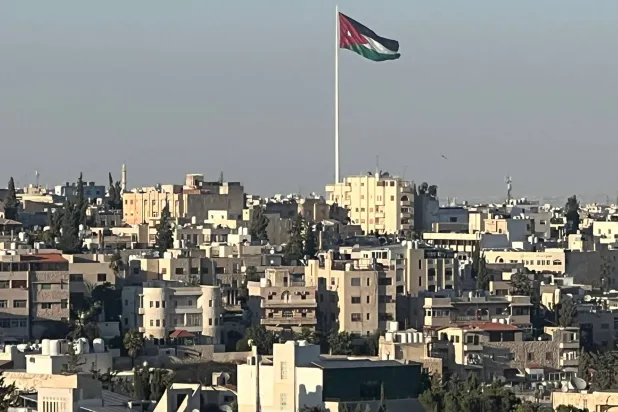
The White House announced the signing of a trade agreement with Jordan aimed at ending chronic trade barriers and providing greater access for vital American industries to Jordanian markets.
The White House announced the signing of a trade agreement between the United States and Jordan, named the "Mutual Trade Agreement," aimed at ending chronic trade barriers and providing greater access for vital American industries to Jordanian markets.
Under the terms of the new agreement, Jordan commits to continuing to exempt the majority of American goods and products exported to it from customs duties, along with eliminating non-tariff barriers and expanding market access for American agricultural products and cars. Jordan also pledged to enforce environmental laws, protect workers' rights, ban imports of goods made with forced labor, enhance intellectual property protection, and develop customs procedures.
Jordanian Investments Worth Billions of Dollars
The trade announcement was accompanied by promising commitments from the Jordanian side to inject investments and conclude major trade deals within the United States:
Aviation sector: Royal Jordanian announced the purchase of 6 new Boeing 787-9 aircraft worth $1.4 billion, in addition to signing long-term lease contracts for additional aircraft worth $500 million.
Pharmaceutical sector: Jordanian pharmaceutical company Hikma Pharmaceuticals announced an investment of $1 billion inside the United States.
Raw materials: Jordanian companies agreed to purchase raw materials and production inputs from the United States worth more than $300 million annually.
The agreement is based on the long-term economic relations between Washington and Amman, foremost among them the free trade agreement between the two countries, which has been in effect since December 2001. The new step aims to align economic and national security between the two countries, enhance supply chain resilience, counter non-market trade policies from third parties, as well as cooperate on investment security, export controls, and combating customs evasion.
Original source: Asharq Al-Awsat




Comments (0)
Be the first to comment.