Aoun's Visit to Washington: A Test of Lebanese Decision-Making


زيارة عون إلى واشنطن: اختبار القرار اللبناني
نُشر في 21 يوليو 2026 الساعة 00:44، وتم آخر تحديث في التوقيت نفسه.
تأتي هذه الزيارة في مرحلة دقيقة تشهد فيها المنطقة تحولات كبرى على صعيد التحالفات والمسارات الاقتصادية.
--:--
د. حياة الحريري
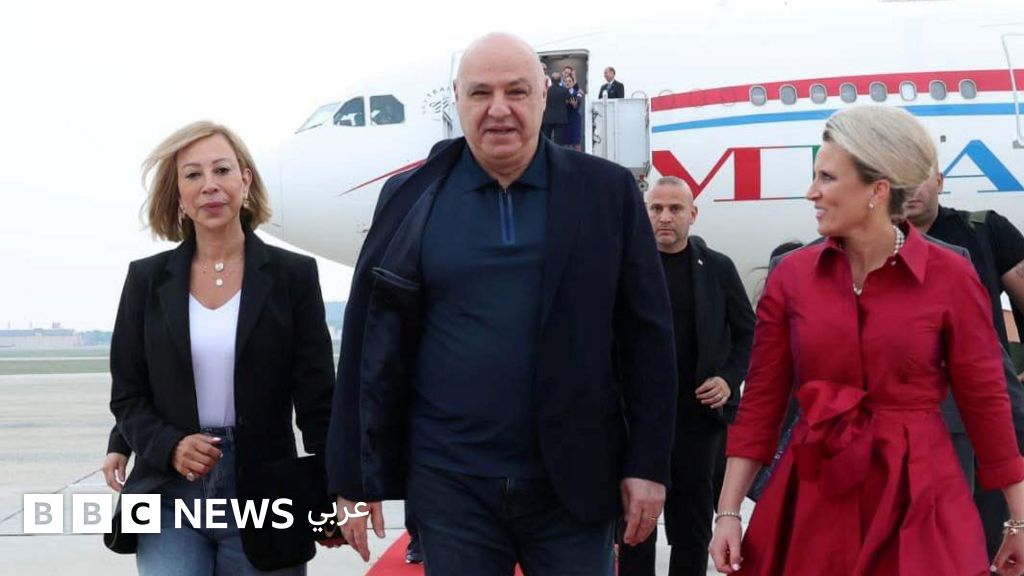
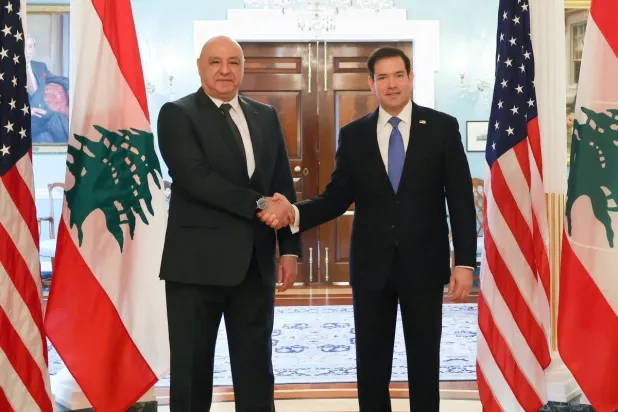
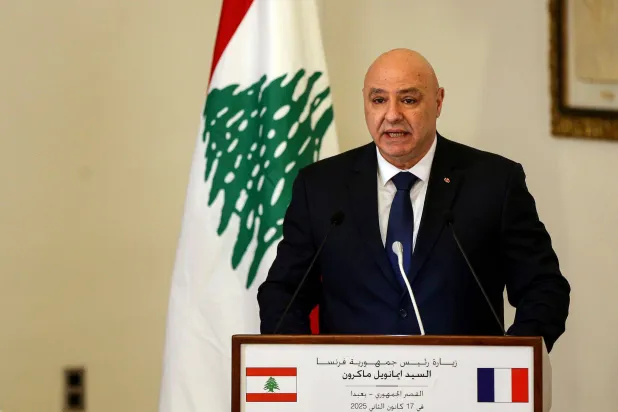
في السياسة، يكتسب التوقيت أهمية لا تقل عن أهمية الحدث نفسه. وهذا ما ينطبق على زيارة الرئيس جوزيف عون إلى واشنطن، التي تكتسب قيمتها ليس فقط من اللقاء المرتقب مع الرئيس الأمريكي دونالد ترامب، بل من السياق الإقليمي والدولي الذي تأتي فيه، وما قد تفتحه من فرص أمام لبنان إذا أحسن قراءة التحولات الجارية في المنطقة.
لبنانيًا، تشكّل هذه الزيارة مؤشرًا لاعتراف أمريكي ودولي بالمسار الذي بدأته الدولة اللبنانية ممثلة برئيسي الجمهورية والحكومة، بدءًا من قرارات حصر السلاح وحظر الجناح العسكري لحزب الله، مرورًا ببدء التفاوض المباشر مع إسرائيل رغم التهديدات والإصرار الإيراني على مصادرة القرار اللبناني. لذلك، يحتاج الرئيس إلى هذا اللقاء وهو يحمل ملفات شائكة، منها استمرار الاحتلال الإسرائيلي وحاجة لبنان للضغط الأمريكي لدفع إسرائيل للالتزام بالخطوات الأولية المتفق عليها في جلسة التفاوض الأخيرة، خاصة في المناطق التجريبية، وإعادة تفعيل دعم الجيش وتسليح القوات المسلحة والأمنية، ومناقشة العلاقة مع سوريا في ظل إشارات الرئيس ترامب حول ضرورة تدخل سوري لإنهاء ملف حزب الله.
غير أن هذه الملفات التي يحملها الرئيس اللبناني تبقى مرتبطة بقرار اللبنانيين أنفسهم، أي أن هذه الزيارة هي أول اختبار فعليّ لقدرة الدولة اللبنانية على تحويل خطابها السياسي إلى خطوات ملموسة لاستعادة القرار اللبناني أهمها قضية حصر سلاح حزب الله كمقدمة لمعالجة كل القضايا الأخرى لا سيّما بعد إخفاق لبنان في السابق في البدء بمعالجة فعليّة لهذا الملف.
دوليًا وإقليميًا، لا يمكن فصل لبنان عن الأحداث التي تجري في المنطقة، وأهمها المساعي الأمريكية والعربية إلى تطويق نفوذ إيران من اليمن إلى العراق وسوريا فلبنان، وانتقال المنطقة من المحاور العسكرية والمليشيات إلى محاور الممرات والطاقة والاستثمارات. من هنا، لا يمكن فصل توقيت دعوة ترامب نظيره اللبناني إلى البيت الأبيض بعد لقائه كل من الرئيس السوري أحمد الشرع ورئيس الحكومة العراقية علي الزيدي والانفتاح الأمريكي على هذين البلدين بالتزامن مع قيامهما بخطوات فعليّة لتطويق النفوذ الإيراني والبدء فعليًّا بمحاولة استعادة سيادة البلاد. في هذا الإطار، لا يمكن إغفال أهمية الإعلان عن مذكرة التفاهم التي وصفتها الإدارة الأمريكية بالتاريخية بين سوريا والعراق بشأن إعادة تأهيل خط أنابيب النفط الخام بين البلدين واعتباره حجر أساس في تعزيز الأمن والاستقرار في المنطقة، بالإضافة إلى اتفاقيات التعاون في مجالات الطاقة بين الولايات المتحدة الأمريكية والعراق.
وتكشف الاستراتيجية الأمريكية الحالية عن توجّه إدارة ترامب لإعادة رسم التوازنات في منطقة الشرق الأوسط من خلال بناء شبكة من الممرات الاقتصادية في مجاليّ الطاقة والتجارة، بالتوازي مع إعادة تشكيل التحالفات الأمنية والاستراتيجية، ما يعكس انتقال أولوياتها من إدارة الصراعات العسكرية إلى هندسة توازنات إقليمية جديدة أكثر ارتباطا بالمصالح الاقتصادية. في هذا الإطار، تشكّل الحرب الإيرانية-الأميركية الحالية أحد أبعاد هذا التوجّه.
من هنا، لا يمكن للبنان أن يبقى معزولًا عن هذه المتغيّرات التي فرضتها نتائج الحروب في المنطقة والمسارات الاقتصادية التي يجري العمل على تطبيقها. غير أن تحديد موقع لبنان ودوره يبقى رهنًا بمدى تنفيذ قرارات الحكومة اللبنانية في ما يخص السلاح والإصلاحات، مهما كانت التحديات والألغام التي تنتظر الدولة اللبنانية وفي مقدّمتها استمرار انقلاب حزب الله على الدولة وإصراره على جعله ورقة نفوذ إيرانية.
أضاع لبنان فرصًا تاريخية لفرض سيادته لعقود بسبب منظومة اعتادت على انتظار التسويات الخارجية لحماية وجودها ومكتسباتها في السلطة والمحاصصة والصفقات تحت شعار «التوازنات» و«الخصوصية اللبنانية». هذا النهج أدى إلى انهيار مالي وسياسي غير مسبوق في الدولة اللبنانية وإلى سيطرة قوة السلاح والفوضى، وفقدان ثقة العربية والغربية باستثناء تلك التي تحاول استعادة أمجاد تاريخية غابرة من خلال تعويم منظومة الفساد والسلاح.
إذا أراد لبنان استعادة أمنه ودوره التاريخيّ وموقعه المستقبليّ كممرّ لخطوط التجارة والطاقة، فعليه استغلال هذه الفرصة التي قد تكون الأخيرة في ظلّ الانفتاح الأمريكي والعربي عليه. وهنا تبرز أهمية الاتصال اللبناني مع وليّ عهد المملكة العربية السعودية الأمير محمد بن سلمان، الذي أعرب عن دعمه للبنان في كل احتياجاته ودعا الرئيس اللبناني إلى زيارة المملكة. في التوقيت، يأتي هذا الاتصال كرسالة دعم بعد مسار فعليّ بدأته الدولة اللبنانية في مكافحة التهريب والمخدرات، وبعد قراراتها السياسية في حصر السلاح وفصل لبنان عن إيران، وقبيل اجتماع الرئيس اللبناني بنظيره الأمريكي.
إن الولايات المتحدة الأمريكية كما الدول العربية وعلى رأسها المملكة العربية السعودية لن تنتظر دولة مترددة تطلب المزيد من الوقت دون أي خطوات فعليّة. ولبنان اليوم يحتاج إلى شراكة أمنية واقتصادية استراتيجية حقيقيّة مع الدول العربية والإدارة الأمريكية. غير أن أولى خطوات بناء هذه الشراكة تتوقف على القرار اللبناني نفسه، فإما أن يحمل الرئيس اللبناني إلى اجتماعه في البيت الأبيض خطة واضحة ورؤية فعلية لكيفية معالجة الملفات الأمنية والاقتصادية، وإما سيحكم لبنان على نفسه من جديد بالسقوط كما حدث في ثمانينيات القرن الماضي حين تمّ «تلزيم» لبنان لسوريا.
In politics, timing is as important as the event itself. This applies to President Joseph Aoun's visit to Washington, which gains its value not only from the anticipated meeting with President Donald Trump but also from the regional and international context in which it takes place, and the opportunities it may open for Lebanon if it can read the ongoing transformations in the region well.
For Lebanon, this visit serves as an indicator of American and thus international recognition of the path initiated by the Lebanese state, represented by the Presidents of the Republic and the Government, starting from the decisions made by the government to restrict arms across all Lebanese territory, through the banning of Hezbollah's military wing, to the initiation of direct negotiations with Israel and continuing despite Hezbollah's threats, and despite Iranian insistence on monopolizing the Lebanese decision. Therefore, the President of the Republic, who leads the negotiation process in coordination with the Prime Minister according to the constitution, needs this meeting with the American president, carrying with him many thorny files starting from the continuation of the Israeli occupation and Lebanon's need for American pressure on Israel to adhere to the initial steps agreed upon in the last negotiation session, specifically regarding the experimental areas, moving on to reactivating the support for the Lebanese army and arming the armed and security forces, and finally discussing the nature of the relationship with Syria, especially the repeated mention by the American president regarding Syrian intervention to resolve the Hezbollah file.
However, these files that the Lebanese president carries remain tied to the decision of the Lebanese people themselves, meaning that this visit is the first real test of the Lebanese state's ability to translate its political rhetoric into tangible steps to regain the Lebanese decision, the most important of which is the issue of restricting Hezbollah's arms as a precursor to addressing all other issues, especially after Lebanon's previous failure to begin effective treatment of this file.
Internationally and regionally, Lebanon cannot be separated from the events occurring in the region, the most important of which are the American and Arab efforts to contain Iranian influence from Yemen to Iraq and Syria to Lebanon, and the transition of the region from military axes and militias to axes of corridors, energy, and investments. From here, the timing of Trump's invitation to his Lebanese counterpart to the White House cannot be separated from his meetings with Syrian President Ahmad al-Shara and Iraqi Prime Minister Ali al-Zaydi, and the American openness to these two countries coinciding with their actual steps to contain Iranian influence and actively attempt to restore the sovereignty of their countries. In this context, the importance of announcing the memorandum of understanding, which the American administration described as historic between Syria and Iraq regarding the rehabilitation of the crude oil pipeline between the two countries, cannot be overlooked, considering it a cornerstone in enhancing security and stability in the region, in addition to cooperation agreements in the energy fields between the United States and Iraq.
The current American strategy reveals the Trump administration's direction to redraw balances in the Middle East by building a network of economic corridors in the fields of energy and trade, alongside reshaping security and strategic alliances, reflecting a shift in its priorities from managing military conflicts to engineering new regional balances more closely tied to economic interests. In this context, the ongoing Iranian-American war is one dimension of this direction.
From here, Lebanon cannot remain isolated from these changes imposed by the outcomes of wars in the region and the economic pathways being worked on. However, determining Lebanon's position and role remains contingent on the extent to which the Lebanese government's decisions regarding arms and reforms are implemented, regardless of the challenges and mines awaiting the Lebanese state, foremost among them being Hezbollah's continued coup against the state and its insistence on making it an Iranian leverage.
Lebanon has missed historical opportunities to assert its sovereignty for decades due to a system accustomed to waiting for external settlements to protect its existence and gains in power, quotas, and deals under the banner of "balances" and "Lebanese specificity." This approach has led to an unprecedented financial and political collapse in the Lebanese state and to the dominance of armed force and chaos, and the loss of trust from both Arab and Western countries, except for those trying to restore long-lost historical glories by reviving the system of corruption and arms.
If Lebanon wants to regain its security, historical role, and future position as a corridor for trade and energy lines, it must seize this opportunity, which may be the last in light of the American and Arab openness towards it. Here, the importance of the Lebanese connection with Saudi Crown Prince Mohammed bin Salman emerges, who expressed his support for Lebanon in all its needs and invited the Lebanese president to visit the Kingdom. In timing, this call comes as a message of support following a real path initiated by the Lebanese state in combating smuggling and drugs, and after its political decisions to restrict arms and separate Lebanon from Iran, just before the Lebanese president's meeting with his American counterpart.
The United States, as well as Arab countries led by Saudi Arabia, will not wait for a hesitant state asking for more time without any actual steps. Lebanon today needs a genuine strategic security and economic partnership with Arab countries and the American administration. However, the first steps to build this partnership depend on the Lebanese decision itself; either the Lebanese president brings a clear plan and a real vision for how to address security and economic files to his meeting at the White House, or Lebanon will condemn itself once again to fall, as happened in the 1980s when Lebanon was "contracted" to Syria.
لقد أضاع لبنان فرصًا سابقة بسبب هيمنة المحاصصة والفساد تحت شعار التوازنات والخصوصية. لكن يبدو أن الفرصة الحالية قد تكون الأخيرة في ظل الانفتاح الأمريكي والعربي، شريطة أن يترجم القرار السياسي إلى خطوات فعلية على الأرض، خصوصًا في ملف حصر السلاح واستعادة سيادة الدولة.
Original source: Okaz

Comments (0)
Be the first to comment.