Oil Exceeds $90 as US and Iranian Strikes Escalate
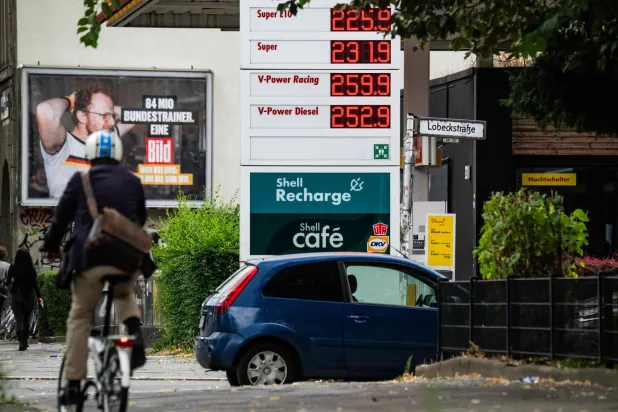
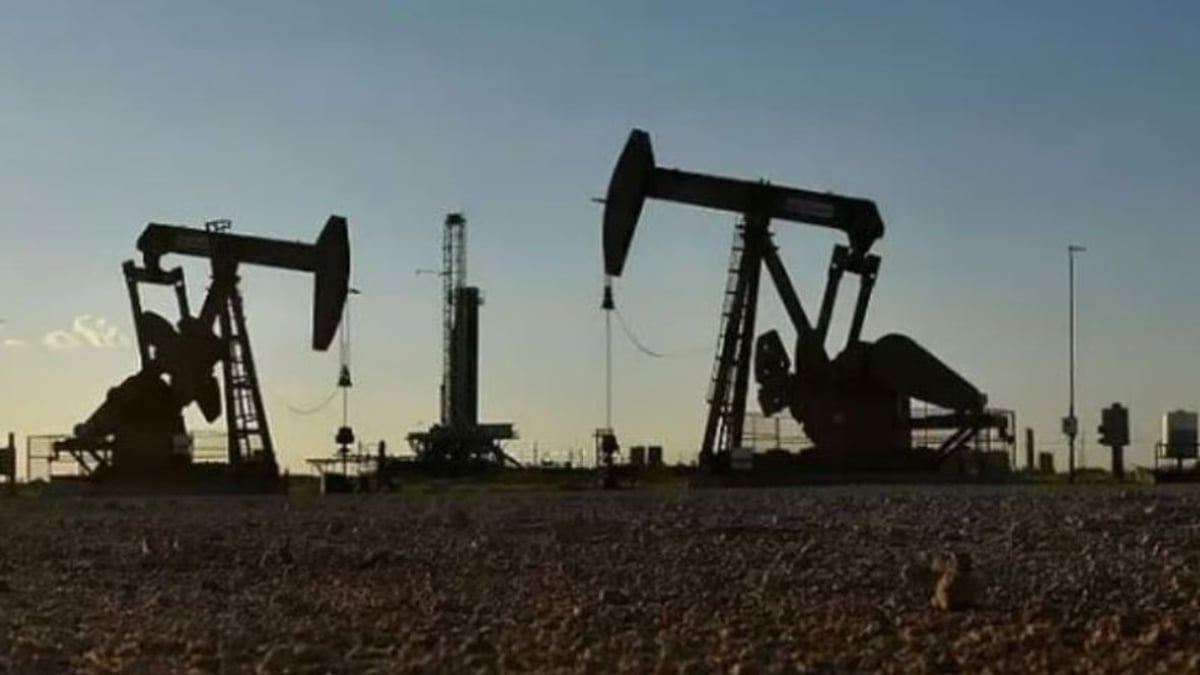
Oil prices rose more than two percent on Monday, pushing Brent crude above $90 a barrel.
Global stocks and bonds fell on Monday as the conflict in the Gulf escalated and oil prices rose, reigniting inflation fears, as investors awaited a week packed with earnings reports from major tech companies that will test confidence in the artificial intelligence-driven investment wave.
Brent crude rose above $90 a barrel for the first time in more than a month, after the US military began a ninth consecutive day of strikes against Iran, which retaliated by targeting sites across the region. A limited number of ships also passed through the Strait of Hormuz on Sunday, while Tehran said it had targeted two oil tankers.
Shane Oliver, head of investment strategy at AMP, said: 'The longer the closure of the Strait of Hormuz and the escalation of the war continue, the greater the likelihood that oil prices will have to rise towards $150 a barrel to bring demand in line with falling supply. Although this is not our base case, it remains a high risk.'
Brent crude rose 2.4 percent to $90.18 a barrel, while US West Texas Intermediate crude climbed 2.1 percent to $84.18 a barrel.
The rise in energy prices reignited inflation concerns, even though US consumer price data came in weaker than expected last week, prompting markets to price in cumulative US interest rate increases of about 29 basis points by year-end.
Bruce Kasman, chief economist at JPMorgan, said: 'We expect a more gradual shift towards rate hikes in 2027, but the balance of risks now points to a possible hike earlier than expected,' and noted that recent rhetoric from Federal Reserve officials has become more hawkish.
Futures now point to a 60 percent probability of a rate hike in September, which pushed the yield on 30-year US Treasury bonds back above the 5 percent mark, a level that attracts investments towards fixed-income instruments at the expense of equities and raises the bar for future corporate earnings valuations.
This shift comes amid growing questions about the very high valuations of chip and AI stocks, after the Philadelphia Semiconductor Index lost 10 percent last week, now down about 20 percent from its record high in June.
Pressure on markets intensified on Friday after Chinese company Moonshot AI announced the launch of its new model 'Kimi K3', which it said delivers performance close to Anthropic's advanced 'Fable' model.
This heightens the significance of the earnings results from major tech companies expected this week, led by Alphabet, Intel, and Tesla.
Despite this, Savita Subramanian, an analyst at Bank of America, maintained her positive outlook on earnings, expecting corporate results to beat market estimates by about five percent, with profit growth of 28 percent, while the tech sector is expected to contribute more than half of that growth, and semiconductor companies' profits are set to rise by about 130 percent year-on-year.
These expectations helped S&P 500 futures stabilize, while Nasdaq futures rose 0.2 percent. In Europe, Euro Stoxx 50 futures were flat, while German DAX and UK FTSE 100 futures each fell 0.1 percent.
Japanese markets were closed for a public holiday, after the Nikkei had lost 6.4 percent last week amid a sell-off in tech stocks. The MSCI Asia Pacific ex-Japan index fell 0.3 percent, while Chinese blue-chip stocks rose 1.4 percent.
In South Korea, the chip-heavy market fell 4.1 percent, after losses of nearly nine percent last week, as retail investors exited leveraged positions.
The recent rise in oil prices poses an additional challenge for the European Central Bank, which meets on Thursday and is expected to keep interest rates at 2.25 percent after the hike approved in June. Markets will focus on policymakers' guidance, with a near-full pricing of a rate hike in September, and expectations that rates will reach 2.75 percent early next year.
The euro was flat at $1.1442, while the dollar steadied at 162.36 yen, near its 40-year high, as Japanese authorities continued to warn of intervention if the yen weakens further rapidly.
Sterling was also flat at $1.3462, as bond markets awaited the announcement of the new British Prime Minister Andy Burnham's economic team.
In commodity markets, rising bond yields weighed on gold, which yields no interest, falling 0.1 percent to $4,013 an ounce.
Original source: Asharq Al-Awsat


Comments (0)
Be the first to comment.