Report: Israel Told Washington of Iran Moving Uranium Enrichment Centrifuges to Mount Pickaxe Tunnels

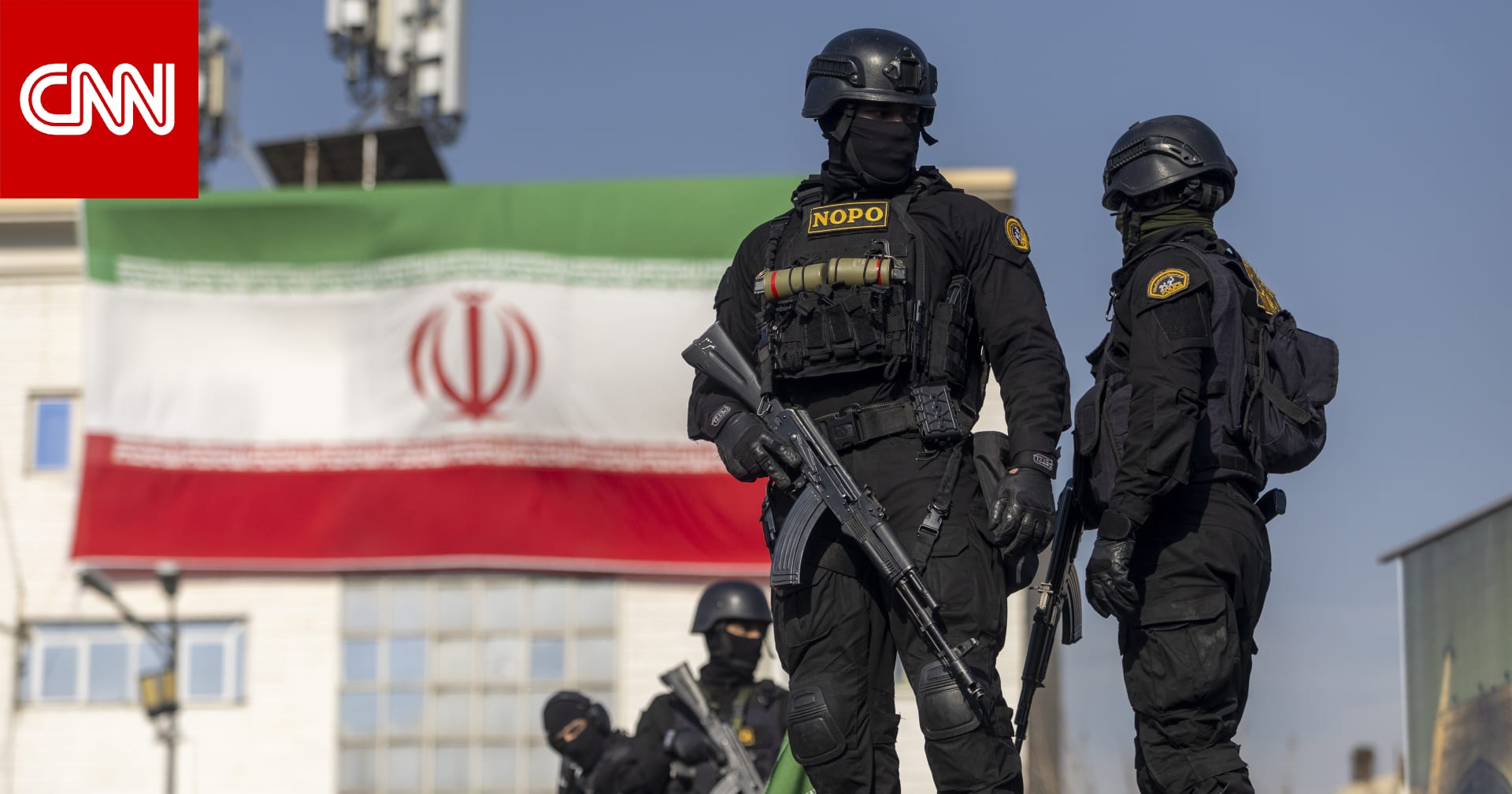
US and Israeli officials say Israel believes Iran moved thousands of centrifuges to deep tunnels in Mount Pickaxe last fall, raising concerns about Tehran's ability to rebuild its nuclear program, according to the Wall Street Journal.
US and Israeli officials said Israeli intelligence believes Iran moved thousands of centrifuges for uranium enrichment to deep tunnels in "Mount Pickaxe" last fall, in a development that would increase concerns about Tehran's ability to rebuild its nuclear program, according to the Wall Street Journal.
The officials said Israel relayed the intelligence to the United States, stating that the centrifuges were moved to the "Mount Pickaxe" site last fall, after the 12-day war in June 2025, during which the United States and Israel carried out intensive strikes on Iran's three main nuclear facilities.
Mount Pickaxe is located 220 kilometers south of Tehran and two kilometers from the Natanz nuclear complex. The Natanz site, where two of Iran's uranium enrichment plants are located, was bombed during the current war and during the 12-day war.
The Institute for Science and International Security, a US-based research center focused on preventing nuclear weapons proliferation, said the facility still under construction at Mount Pickaxe was not targeted in either of those wars.
Netanyahu tries to convince Trump of a comprehensive attack
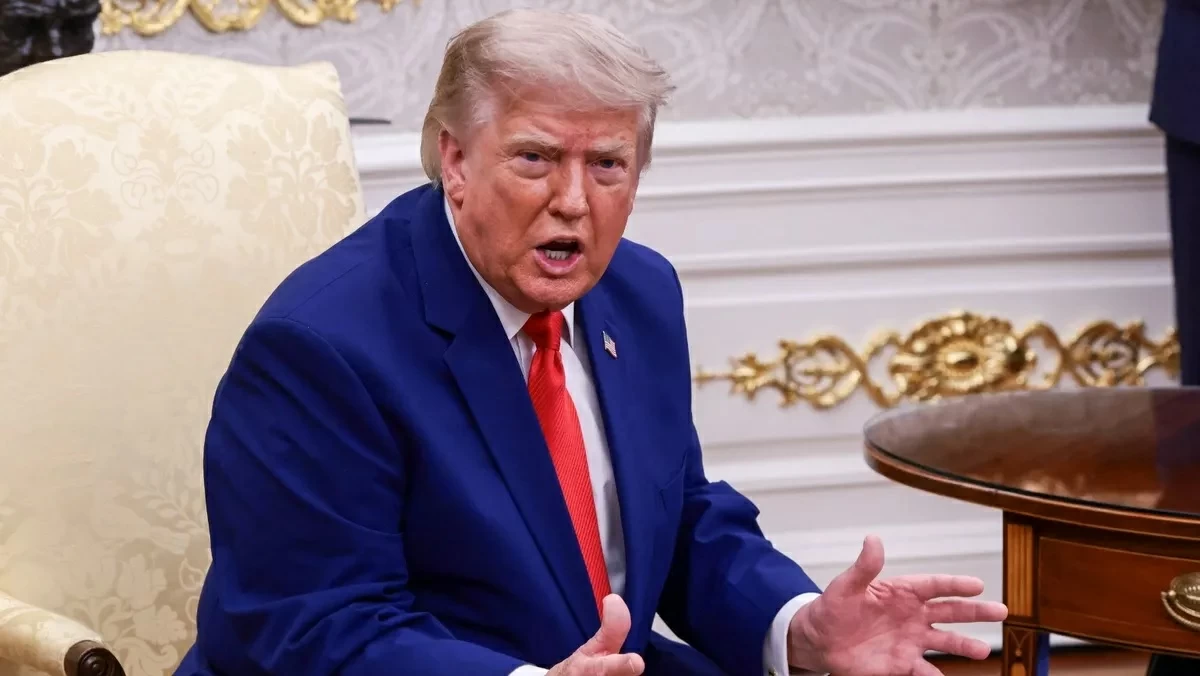
The Wall Street Journal said that as the gap between US and Israeli objectives in the Iran war widens, Israeli Prime Minister Benjamin Netanyahu has tried to convince US President Donald Trump to resume a comprehensive attack on Iran, aimed at causing more damage to Tehran's weapons development programs and rebuilding efforts.
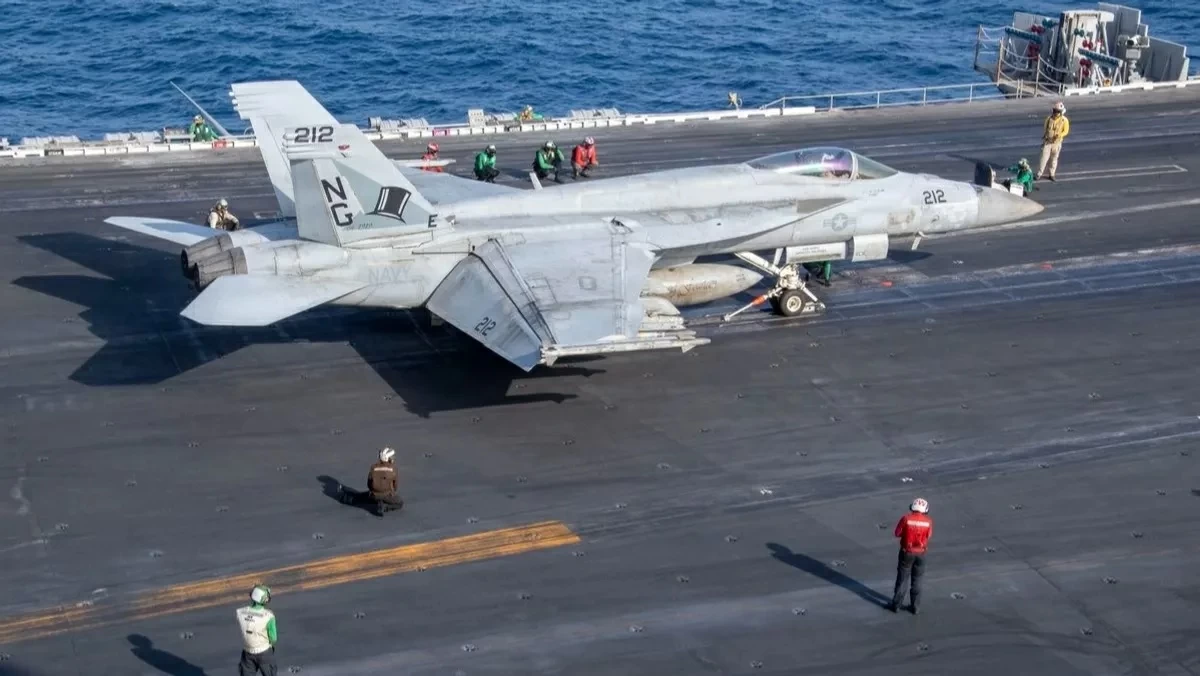
The Wall Street Journal noted that the United States has intensified its attacks on Iran over the past ten days, and pointed to a statement by US President Donald Trump in July, in which he threatened to attack Mount Pickaxe.
Iran's foreign minister and the UN's International Atomic Energy Agency (IAEA) did not respond to requests for comment. The White House referred the Wall Street Journal to interviews with Trump.
"A possible target for a major strike"
Trump told conservative radio host Hugh Hewitt on July 13 that the "Mount Pickaxe" site is "a possible target for a very big, massive strike." This was the first time Trump explicitly referred to the site as a target, though he had previously alluded to an Iranian underground site buried in granite rock.
The site is known in Iran as "Mount Kolang" and has been under US and Israeli surveillance for years. The limited information known about Iran's activities at the site suggests it may pose a challenge to any airstrikes.
Located near Natanz, the site was built as an underground alternative to an Iranian centrifuge assembly facility that was severely damaged after an explosion in 2020, believed to possibly be an act of sabotage.
"Steady pace of activity"
The Institute for Science and International Security, a think tank specializing in nuclear weapons and nonproliferation issues, said activity at the site has continued at a steady pace over the past 15 months, with truck movements, tunnel reinforcements, and a security cordon around the site.
It added that work also took place around an older tunnel network dating back to 2007, which Iran had later closed.
David Albright, head of the institute, said it is likely that Iran moved centrifuges into the tunnels at the Mount Pickaxe site.
Experts estimate that the underground complex extends to a depth of between 300 and 450 feet (about 90 to 137 meters) under solid rock, with enough space to accommodate several facilities related to the nuclear program.
Nate Swanson, director of the Iran file at the US National Security Council during President Joe Biden's administration, said, "Iran's history of conducting secret nuclear activities makes any undeclared activity inside a fortified underground site a cause for concern."
Swanson added, "A covert nuclear breakout is the worst-case scenario. We don't know what Iran's intentions are, but the fact that we cannot verify this site highlights how problematic the current situation is. The IAEA must be there to inspect these sites."
Mount Pickaxe was not a priority target for bombing during the war between Israel and Iran last year, nor was it targeted in the current round of fighting with the United States. But officials and experts have long expressed concerns that Iran could use the tunnels to store or build nuclear equipment, and set up a small uranium enrichment facility to produce fissile material.
"Fortified underground site"
Experts believe the deep complex is beyond the reach of the strongest bunker-buster bombs in the US arsenal.
The institute said the site "would be more suitable for attack or sabotage by ground forces."
It added, "However, there may be weaknesses that could be exploited by deep-penetrating weapons via airstrikes."
Lier said: "We can infer that there are ongoing activities at Mount Pickaxe that the Iranians want to continue, but they are still concerned enough about the possibility of an attack that they are taking steps to strengthen their defenses."
Original source: Asharq News

Comments (0)
Be the first to comment.