Iran War May Delay LNG Market Oversupply by a Year

The liquefied natural gas (LNG) market is expected to enter a phase of oversupply in 2028, a year later than previous forecasts, due to the war in the Middle East and delays in major projects, which postponed a global supply glut, according to BloombergNEF.
As the glut begins, the oversupply of this super-chilled fuel is expected to peak between 2031 and 2032, as several new projects come online, according to BloombergNEF's report on the global LNG market outlook, released on Tuesday.
The firm had forecast in its report a year ago that oversupply would begin in 2027.
Mon, 13 2026
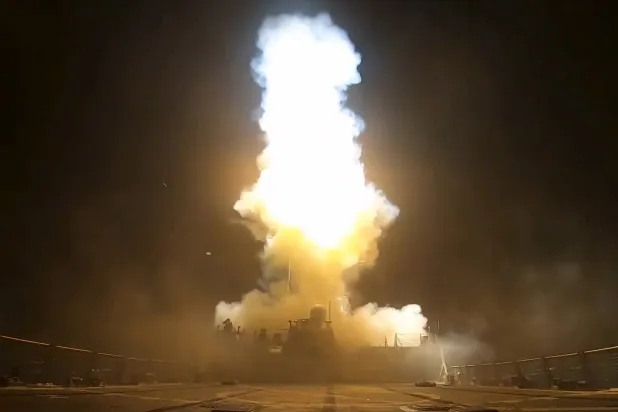
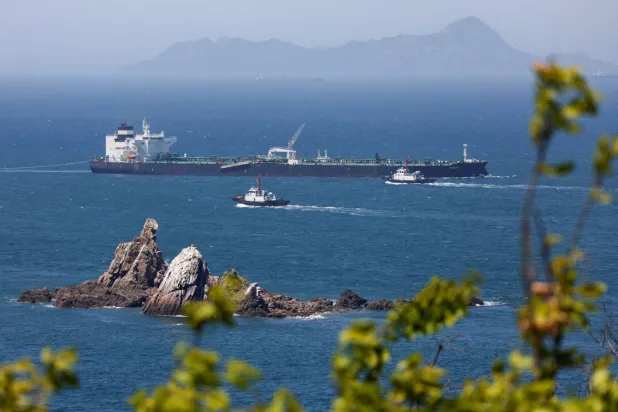
That was before the war in the Middle East erupted, as the world's largest LNG export complex, in Qatar, was damaged by Iranian missile strikes, while gas shipments through the Strait of Hormuz, which handled about a fifth of global LNG trade before the conflict, came to a near halt.
After a limited recovery in shipments following the temporary peace agreement between the United States and Iran last month, renewed clashes in the region effectively closed the strait again, deepening uncertainty about when energy flows will return to normal levels.
BloombergNEF analysts said in the report that "Qatar's production in the coming years faces uncertainty, both for existing projects and expansion plans."
They explained that the pace of supply growth will depend on the time needed to repair the two production trains damaged during the war, as well as the sequencing of the six new production trains as part of the North Field expansion project.
BloombergNEF added: "In addition to engineering constraints, commercial strategy will also be a factor. Slower contract signing after the Iran war could delay project execution, while QatarEnergy may leverage its low production costs to accelerate supply growth and compete more aggressively with US LNG exports as the spot market enters oversupply."
Supply growth reshapes the market
Analysts said the geopolitical conflict will cause a "temporary decline in supplies" from Qatar and the United Arab Emirates this year, but total Middle East supplies are set to rise by 50% to 147 million tons by the end of the decade, before continuing to grow at a slower pace to 153.8 million tons by 2035.
BloombergNEF expected that Asian spot LNG prices would remain supported until next year due to the war, along with risks that Europe may not meet its gas storage refill targets. It also forecast prices to gradually decline to around $8 per million British thermal units by 2030.
Sun, 12 2026
It added that prolonged supply tightness and higher prices will make it harder for emerging markets, particularly in Asia, to secure the LNG volumes they need to support their energy transition.
In contrast, the United States, the world's largest LNG producer, is expected to see a significant increase in supply, by about 146 million tons per year by 2035. BloombergNEF analysts said US exports are "poised to play a market-balancing role, thanks to the flexibility of supply contracts."
Although BloombergNEF expects global LNG oversupply to exceed 100 million tons in 2031, it believes the market "will not remain in continuous oversupply." Analysts explained that lower prices will eventually stimulate import demand and also lead to reduced utilization rates of higher-cost liquefaction facilities, including those in the United States.
Original source: Aleqtisadiah




Comments (0)
Be the first to comment.