Brazil Seeks Alternative Markets to Counter US Tariffs
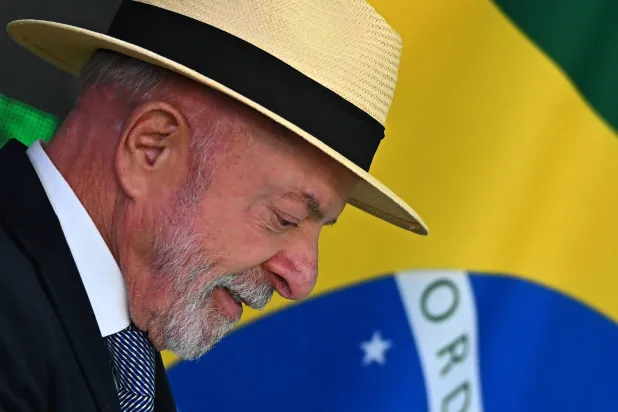
Brazilian President Luiz Inácio Lula da Silva confirmed that his country will seek alternative markets in response to the new tariffs imposed by the United States.
Brazilian President Luiz Inácio Lula da Silva confirmed that his country will move to seek alternative markets, in response to the new tariffs imposed by the United States at 25 percent on some Brazilian products.
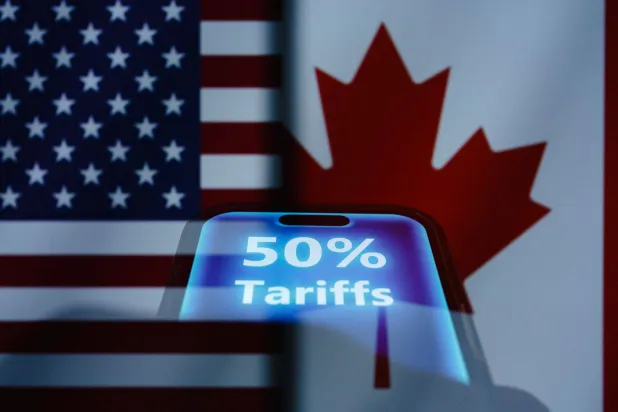
The new tariffs took effect on Wednesday, after Washington accused the largest economy in Latin America of following unfair trade practices, accusations that Brazil denies and describes as unfounded and unfair.
Search for Alternative Markets
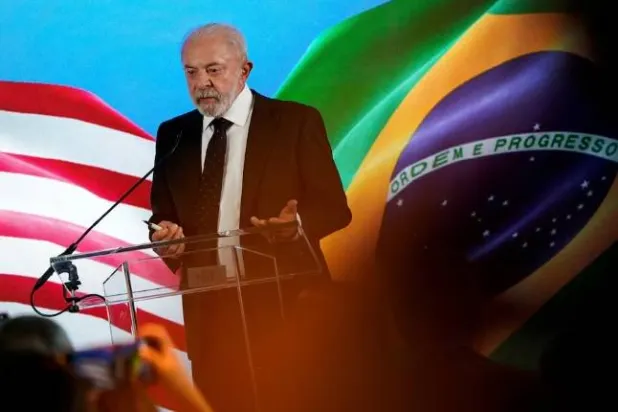
Lula, a leftist, said while announcing a new credit program to support sectors affected by the tariffs: 'We will not stand idly by and lament over products we no longer sell to them, because we will look for other buyers.'
Lula had earlier threatened to impose similar tariffs on the United States, but Brazilian Vice President Geraldo Alckmin took a more moderate stance on Tuesday, ruling out comparable retaliatory measures.
Lula added: 'We will not leave the negotiating table. They are the ones who do not want to negotiate.'
U.S. President Donald Trump has repeatedly sought to use tariffs as leverage to influence elections in Latin America, while the tariffs imposed on Brazil have become one of the main issues in the presidential election scheduled for October.
Loans to Support Companies and Diversify Markets
Under the new plan, the Brazilian government will provide about $3.7 billion in loans to affected companies to help them diversify export markets.
A range of products, including beef, coffee, and aircraft parts, will be exempt from tariffs, and about half of Brazil's exports to the United States will remain tariff-free, according to estimates by Valentina Sader, a researcher at the Atlantic Council's center.
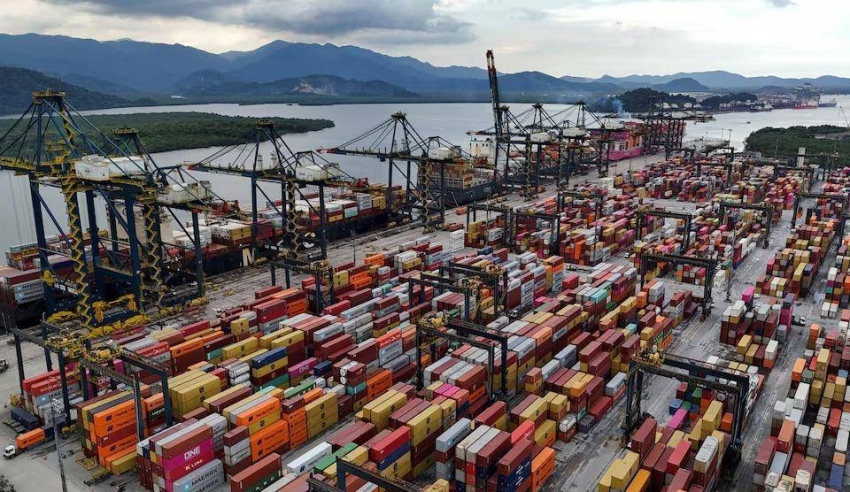
The American Chamber of Commerce in Brazil recently warned that the U.S. measures affect exports worth more than $11 billion, including vulnerable sectors such as machinery, footwear, wood, and plastics.
The government said in a statement that the Treasury will provide 13.5 billion Brazilian reais in loans, while the Brazilian Development Bank (BNDES) will provide the remaining 5 billion reais.
Financing for Working Capital and Investments
It explained that the financing, which still awaits congressional approval, will help companies provide working capital, finance the purchase of machinery and equipment, carry out investments, and support their efforts to expand into new markets.
This step is the third phase of a program launched by the Brazilian government last year in response to the first round of U.S. tariffs. The program provides subsidized credit lines and encourages affected industries to diversify their markets.
U.S. Investigation and Continued Negotiations
Brazil is also subject to a separate U.S. investigation into allegations of forced labor, set to conclude on July 24. The investigation could result in additional tariffs of 12.5 percent, raising the total tariffs on some goods to 37.5 percent.
Brazilian Trade Minister Marcio Elias Rosa said: 'Regarding the Section 301 investigation on forced labor, we affirm that it should not be used as a complementary measure to the actions taken last week under the same section.'
Rosa added that his recent meeting with U.S. Trade Representative Jamieson Greer concluded with both sides affirming their determination to continue negotiations, noting that the date for the next round of talks has not been set yet."); googletag.cmd.push(function() { onDvtagReady(function () { googletag.display('div-gpt-ad-3341368-4'); }); }); }
Original source: Asharq Al-Awsat

Comments (0)
Be the first to comment.