Dollar Steady, Yen Near 40-Year Low

حافظ الدولار على استقراره بدعم من زيادة الطلب عليه كملاذ آمن وسط اضطرابات جديدة بين واشنطن وطهران، بينما واصل الين تداعيَه قرب أدنى مستوياته المسجلة منذ 40 عاماً.
Listen to the article. Audio text automatically generated by an automated system.
0:00
3 minutes to read
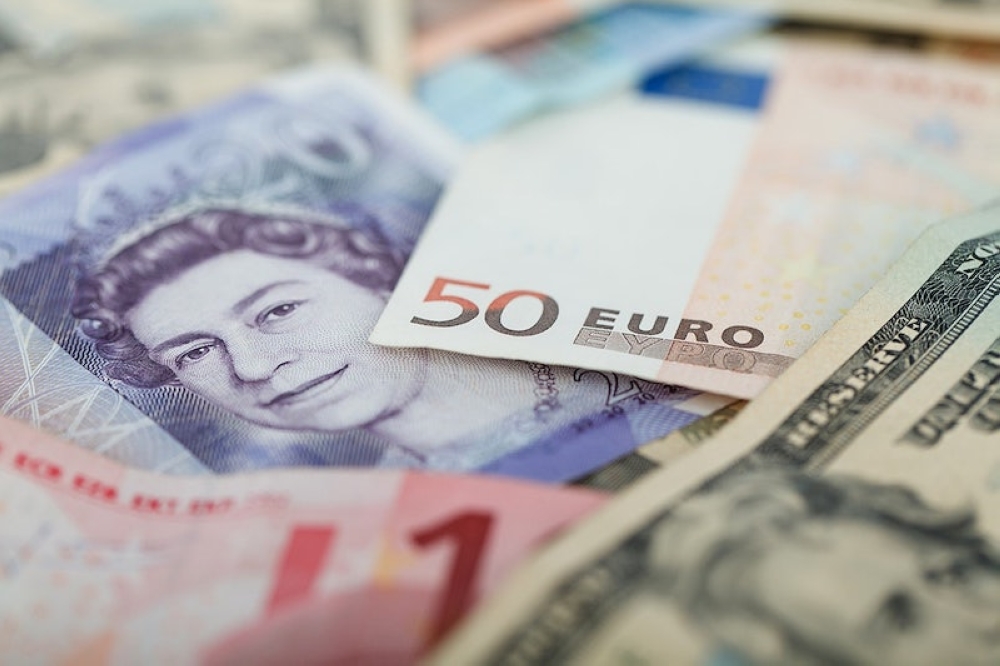
The dollar was largely stable on Thursday as renewed tensions between the United States and Iran kept investors on edge and boosted demand for the currency, which is considered a safe-haven asset, while the yen continued to languish near its lowest level in 40 years with little sign of a trend reversal.
The dollar index, which measures the greenback against a basket of currencies, steadied at 101.11. The dollar rose as tensions between Washington and Tehran escalated, pushing oil prices higher and fueling inflation fears.
Brent crude futures rose more than 1.3% to $95.31 a barrel on Thursday after the U.S. military announced a new round of strikes on Iran.
Two-year U.S. Treasury yields rose to a 17-month high on Wednesday as higher oil prices stoked inflation concerns, raising the likelihood of U.S. interest rate hikes.
Joseph Capurso, head of international economics and foreign exchange at Commonwealth Bank of Australia, said in a note: "What differs from the start of the conflict five months ago is inventories. Lower inventories mean that the chances of oil and gas shortages increase the longer the conflict lasts, worsening the negative economic impact of higher energy prices, which is positive for the dollar."
The euro rose 0.02% to $1.1412. The European Central Bank will hold a meeting later today. It is almost certain to keep interest rates unchanged but will keep the door open for another rate hike in September as the renewed rise in energy prices threatens more inflationary pressures.
The Australian dollar fell 0.1% to $0.6989, and the New Zealand dollar slipped nearly 0.1% to $0.5811.
Sterling was last at $1.3373. The Japanese yen rose 0.02% to 163.1 against the dollar, giving up earlier gains after Bloomberg News reported on Wednesday that Bank of Japan officials are open to raising interest rates at a faster pace than economists expect.
The currency fell to 163.23 on Tuesday, its lowest since December 1986, as investors adjust to the changing political landscape under Japanese Prime Minister Sanay Takaitchi; her government struggles to dispel expectations that it will pressure the Bank of Japan to delay further rate hikes.
Japan's Finance Minister has repeatedly issued verbal warnings about possible intervention in the currency market, and Tokyo carried out yen-buying operations in April and May.
But the overall trend for the yen has remained unchanged, with analysts attributing the currency's weakness to the strong dollar and still-low Japanese interest rates.
Advertisement
Advertisement
Read also
"Fly Nas" confirms purchase of 25 new Airbus aircraft to secure expansion plans, buying 5 wide-body A330neo planes and 20 A321neo aircraft. Tourism and Travel.
Iraq proposes establishing a joint fund with Germany to finance industrial development. Baghdad calls on German companies to expand investments amid efforts to strengthen partnership... Economy
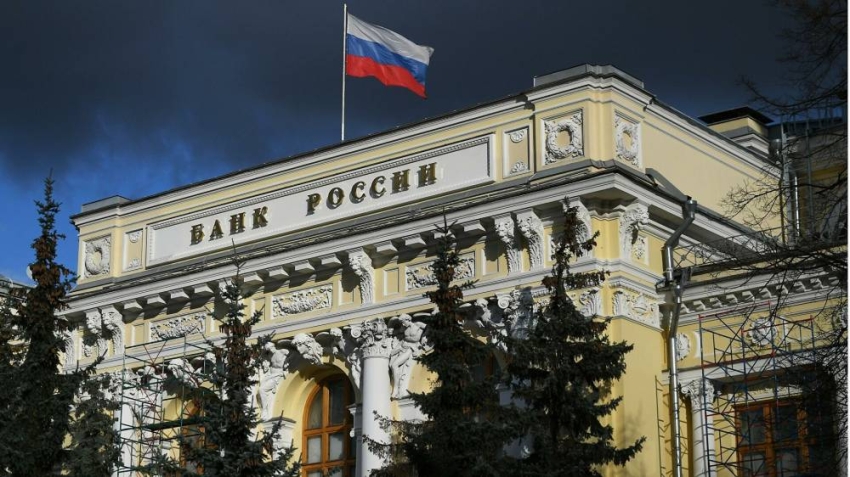
Russian banks targeted by new EU sanctions. EU tightens pressure on Moscow. Economy
Original source: Al Arabiya

Comments (0)
Be the first to comment.