Egypt Prepares Economic Program for Post-IMF Era
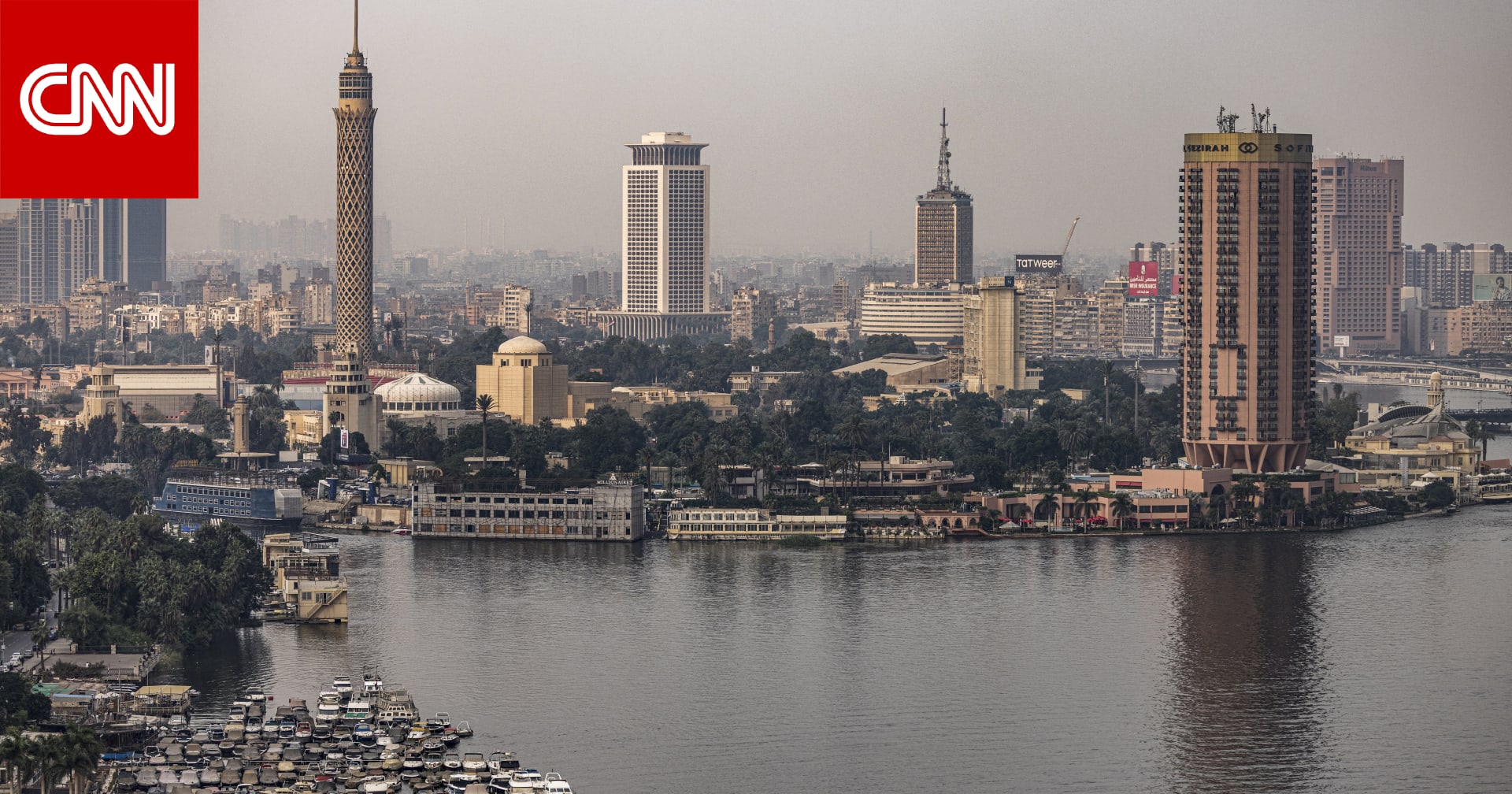
Credit: AMIR MAKAR/AFP via Getty Images
(CNN)-- The Egyptian government is working on preparing a national economic program for the period after the conclusion of the economic reform program with the International Monetary Fund, which will be presented for societal dialogue before being officially announced. The government says the program aims to identify economic priorities for the upcoming phase, while economists believe its success will depend on focusing on production, investment, and public debt management.
The preparation of the program comes as Egypt approaches the conclusion of its current program with the IMF, which was expanded in March 2024 from $3 billion to $8 billion as part of a broader support package. The government and the fund recently reached a staff-level agreement on the seventh review of the program, pending approval by the IMF's Executive Board, which is the penultimate review under the current program.
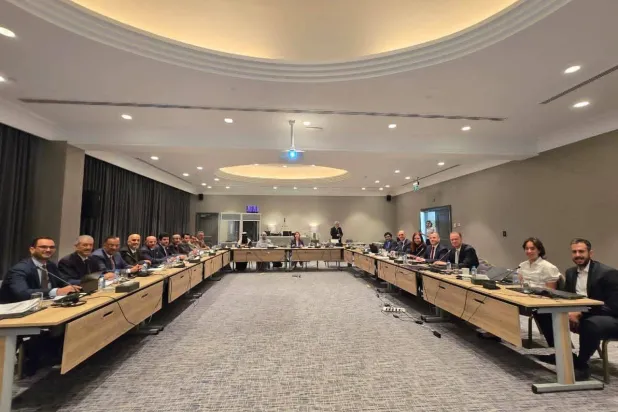
Prime Minister Mostafa Madbouly chaired a meeting that included the Central Bank governor and several ministers and officials to follow up on the preparation of the program. He emphasized that the government is working in coordination with the Central Bank through a working group that includes relevant authorities, in preparation for finalizing the program and announcing it after completing its procedural stages.
The meeting reviewed the program's main features, priorities, and targets, as well as benefiting from the experiences of countries that have implemented economic reform programs in cooperation with the IMF, with an emphasis on building on what has been achieved in the structural reforms program and Egypt's Vision 2030.
The fund and the government recently reached a staff-level agreement on the seventh review of the program, paving the way for the disbursement of about $1.6 billion after approval by the Executive Board, which is before the final review scheduled for the program.
Banking expert Mohamed Abdel Aal said that the new economic program should focus on completing what was not achieved in the current IMF economic reform program, with priority given to reducing and restructuring external debt by reducing reliance on high-cost loans, expanding concessional financing and grants, and converting Gulf deposits into direct investments to ease debt service burdens.
Abdel Aal added, in exclusive statements to CNN Arabic, that among the priorities of the upcoming phase are accelerating the implementation of the government IPO program, stimulating direct investment, supporting productive projects, continuing the targets of increasing exports, deepening local manufacturing and localization of industries, ensuring that the cost of importing production inputs does not exceed the return from exports.
Abdel Aal explained that maintaining exchange rate flexibility represents one of the most important pillars of monetary policy, along with continuing a gradual monetary easing policy when conditions permit. He expects inflation rates to continue declining if geopolitical tensions do not cause new disruptions in supply chains.
He opined that the government already has an economic vision extending until 2030, but the current phase requires announcing a clear economic program that includes specific targets, measurable performance indicators, and implementation monitoring mechanisms.
For his part, economic expert Hassan El-Sadi said that the national economic program should be based on restructuring the economy and improving resource efficiency, instead of relying on borrowing, with priority given to increasing production and improving productivity.
He added that the program should focus on reducing external debt burdens, expanding the attraction of direct investments, accelerating the government IPO program, and supporting productive sectors, foremost industry and agriculture, to contribute to increasing exports and reducing reliance on imports.
El-Sadi pointed out, in exclusive statements to CNN Arabic, that a large number of factories are not operating at full capacity due to a lack of working capital, calling for providing the necessary financing to raise operating rates and reduce production costs, which would reflect on the competitiveness of the economy.
He added that revitalizing the tourism sector should be one of the main axes of the new program, by improving service quality, training workers, and enhancing the mental image of the Egyptian tourist destination, as it is one of the most important sources of foreign currency.
El-Sadi called for expanding technical training and linking it to labor market needs, and reviewing some labor market regulations to enhance productivity and operational efficiency, considering that improving the productivity of the Egyptian worker represents one of the most important drivers of economic growth in the upcoming phase.
He added that maintaining exchange rate flexibility, along with monetary policies that balance controlling inflation and stimulating growth, will remain among the basic pillars of economic policy, noting the importance of the new program including clear, measurable goals and specific mechanisms for implementation and follow-up.
Original source: CNN Arabic


Comments (0)
Be the first to comment.