Egyptian government to present plan to stabilize commodity prices within 10 days: Experts comment
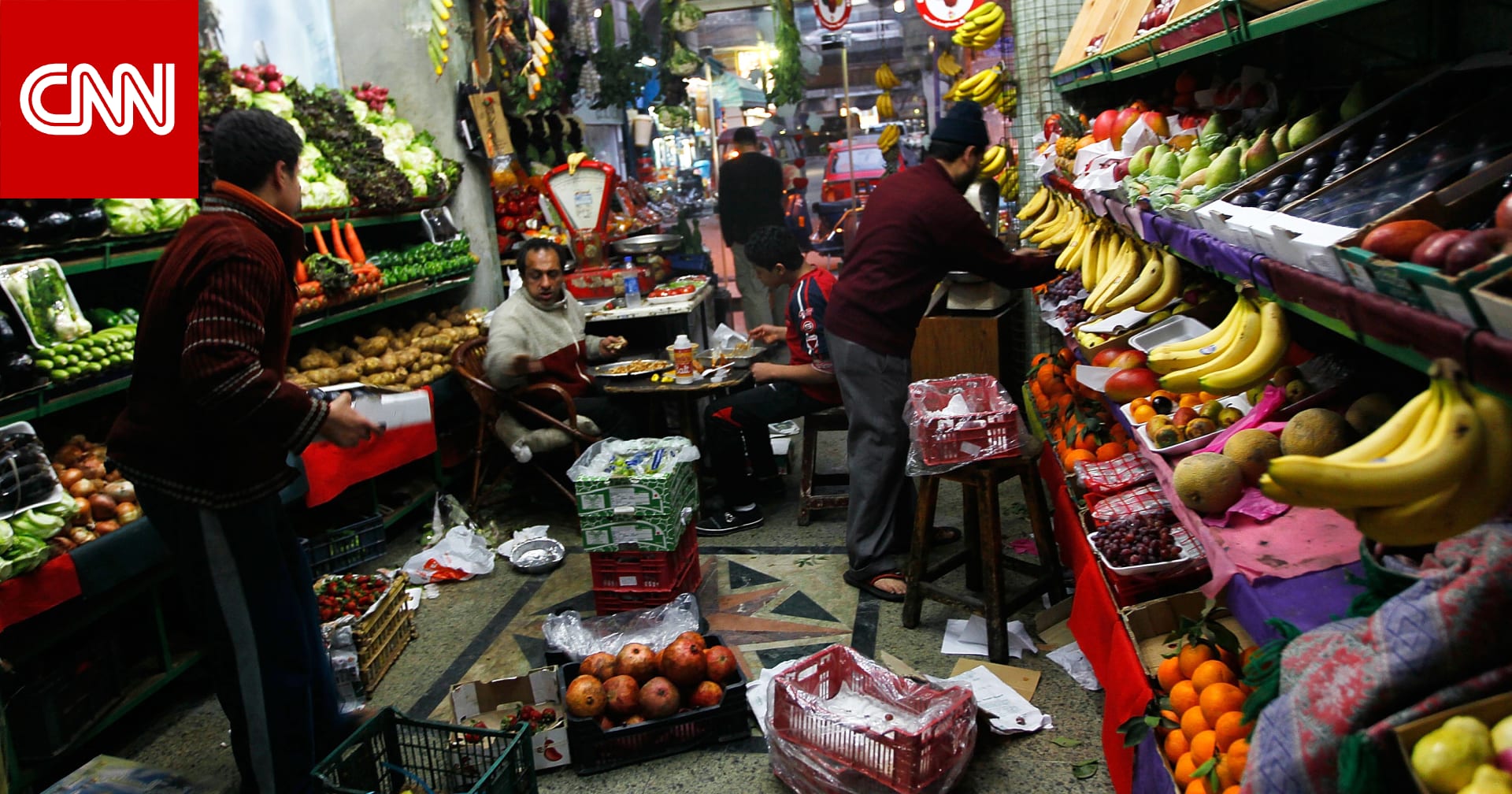
Cairo, Egypt (CNN) -- The Egyptian government is preparing to present a new executive plan within 10 days aimed at 'ensuring the availability of basic commodities and stabilizing their prices,' at a time when inflation is slowing, while markets face pressure from rising global energy prices and ongoing regional tensions.
The government is betting on increasing local production and expanding commodity outlets, while experts believe the plan's success will depend on boosting supply and improving distribution mechanisms.
'Integrated executive plan'
Prime Minister Mostafa Madbouly said the government will present an integrated executive plan to the Cabinet within 10 days to begin implementing presidential directives regarding 'ensuring the availability of basic commodities and stabilizing prices,' explaining that 'the state continuously monitors market movements and works to maintain price stability and ensure the availability of goods for citizens.'
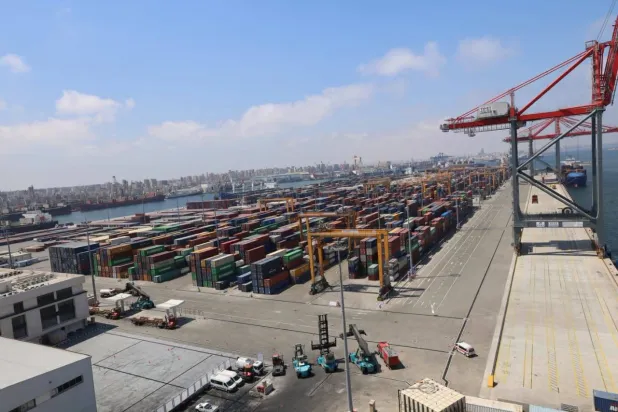
He added that 'increasing production is the most important factor in achieving balance within markets, as it continues to implement measures supporting local production to curb inflationary pressures, while it continues to monitor the implementation of new and renewable energy projects to reduce reliance on traditional fuels and lower the import bill,' noting that 'the global rise in oil prices due to renewed tensions in the region imposes additional challenges on the economy, but the government is making efforts to deal with these changes and limit their repercussions on local markets.'
'Relative slowdown' in price increases
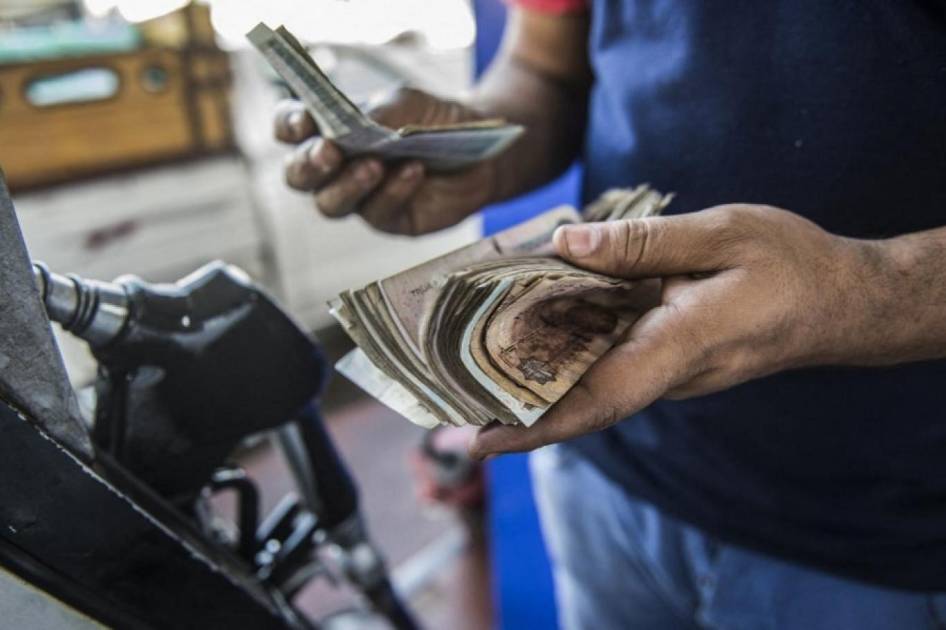
These government moves come at a time when the latest inflation data indicates a relative slowdown in the pace of price increases. According to data from the Central Agency for Public Mobilization and Statistics, the annual urban consumer price inflation rate registered 14.3% in June, compared to 14.6% in May, while the general urban consumer price index recorded a monthly decline of 0.4%.
In contrast, central bank data showed that core inflation rose annually to 14.3% in June, compared to 13.8% in May, despite a limited monthly increase of 0.3%, indicating continued pressure on some core price components despite the slowing overall inflation.
'The role of the state'
Osama El-Shahid, head of the Giza Chamber of Commerce, believes that price stability is primarily linked to increased supply of goods, explaining that abundant production naturally leads to lower prices, while a shortage leads to higher prices. He noted that fixing prices is not compatible with the nature of a free market economy given that producers depend on purchasing production inputs at market prices.
El-Shahid added, in exclusive statements to CNN Arabic, that the role of the state is to expand government outlets, such as consumer complexes and 'Carry On' outlets, among others, to enhance competition and limit price gouging, because consumers will naturally turn to outlets offering goods at the most suitable price.
El-Shahid explained that increasing production reduces the cost per unit by distributing fixed costs over a larger output, which helps lower the selling price for consumers. He pointed out that reducing intermediary links between producer and consumer also lowers transportation, handling costs, and profit margins, especially with factories being established near raw material sources.
'Prices in the free market economy'
Economist Waleed Gaballah said, 'Talk about lowering prices must be handled with caution, especially since prices in a free market economy are governed by supply and demand mechanisms. The government practically aims to influence the prices of basic commodities through executive measures, not impose a general price reduction.'
Gaballah added, in exclusive statements to CNN Arabic, that 'the upcoming plan may include expanding exhibitions and government outlets that sell basic commodities at fair prices, in addition to renewing coordination with trade chambers and the Federation of Industries to encourage producers and traders to launch initiatives to reduce prices of some basic commodities,' noting that these tools 'have been used by the government in previous periods and are likely to be reactivated.'
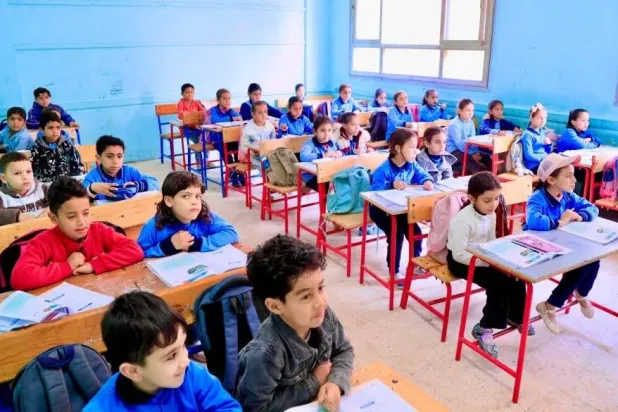
Gaballah pointed out that the measures target goods that represent the greatest burden on households, not all goods, especially since the government has already implemented logistics zones and wholesale markets in several governorates in recent years. The new plan is expected to focus on meeting household needs with the approaching back-to-school season, including school supplies, clothing, and food items.
He said the government's success in providing basic commodities at reasonable prices will directly reflect on inflation rates, especially since food and beverage items constitute about 40% of the average household expenditure, making any decline in these prices have a clear impact on overall inflation.
Original source: CNN Arabic



Comments (0)
Be the first to comment.