International Energy Agency Warns: Global Economy Faces Challenges if Strait of Hormuz Closure Continues

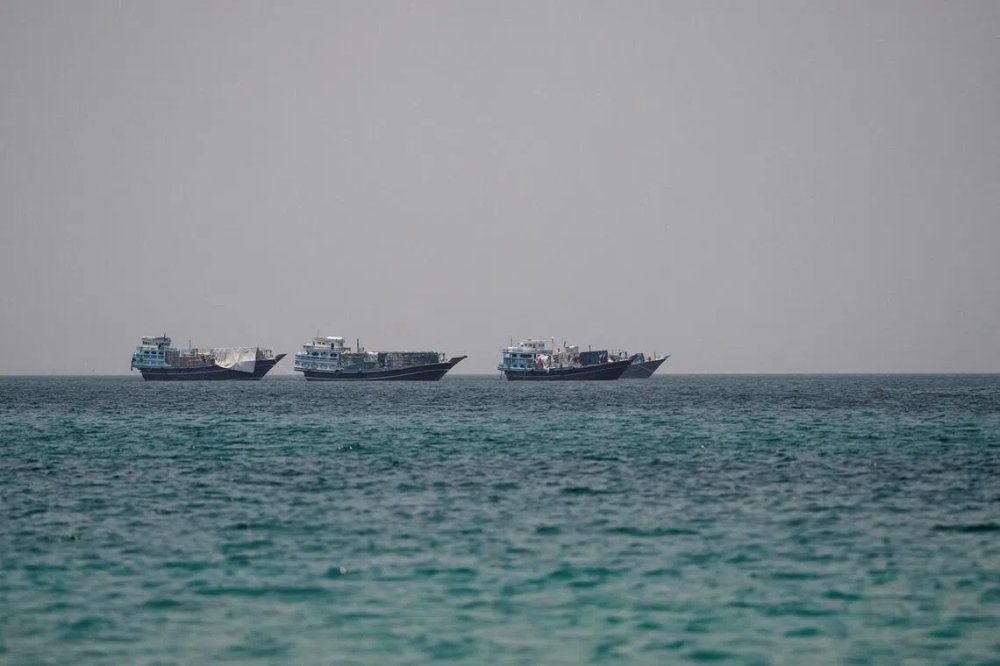
The Executive Director of the International Energy Agency, Fatih Birol, warned that the global economy will face a renewed challenge if the dispute that has paralyzed shipping in the Strait of Hormuz is not resolved.
Birol stated: "Markets are in a state of anxiety and face a significant amount of uncertainty due to the escalation of attacks between Washington and Tehran, which threatens to disrupt shipments of oil, fertilizers, natural gas, and other goods passing through the strait."
He added: "The reopening of the strait must occur within weeks, not months, and it should be fully open and without any conditions."
Birol pointed out that the disruption of energy and raw material supplies coming from the Gulf has harmed economies such as South Korea and Japan.
Export Setbacks
For its part, Goldman Sachs estimated in a memo that Gulf exports had recovered to more than 80% of pre-war levels following the U.S.-Iran memorandum of understanding last June, but they fell to less than 50%, or about 11 million barrels per day, during the past week.
The bank stated: "Brent crude prices could exceed $110 per barrel in the fourth quarter of the year if the recovery of Gulf exports continues to falter."
Despite this, investors remain cautious about overestimating the risk premium added to oil prices amid the ongoing volatility in developments.
The Executive Director of the International Energy Agency, Fatih Birol, warned that the global economy will face a renewed challenge if the dispute that has paralyzed shipping in the Strait of Hormuz is not resolved.
Birol stated: "Markets are in a state of anxiety and face a significant amount of uncertainty due to the escalation of attacks between Washington and Tehran, which threatens to disrupt shipments of oil, fertilizers, natural gas, and other goods passing through the strait."
He added: "The reopening of the strait must occur within weeks, not months, and it should be fully open and without any conditions."
Birol pointed out that the disruption of energy and raw material supplies coming from the Gulf has harmed economies such as South Korea and Japan.
Export Setbacks
For its part, Goldman Sachs estimated in a memo that Gulf exports had recovered to more than 80% of pre-war levels following the U.S.-Iran memorandum of understanding last June, but they fell to less than 50%, or about 11 million barrels per day, during the past week.
The bank stated: "Brent crude prices could exceed $110 per barrel in the fourth quarter of the year if the recovery of Gulf exports continues to falter."
Despite this, investors remain cautious about overestimating the risk premium added to oil prices amid the ongoing volatility in developments.
Original source: Okaz




Comments (0)
Be the first to comment.