Lebanon.. Rome negotiations to discuss mechanisms for implementing framework agreement and formation of specialized committees
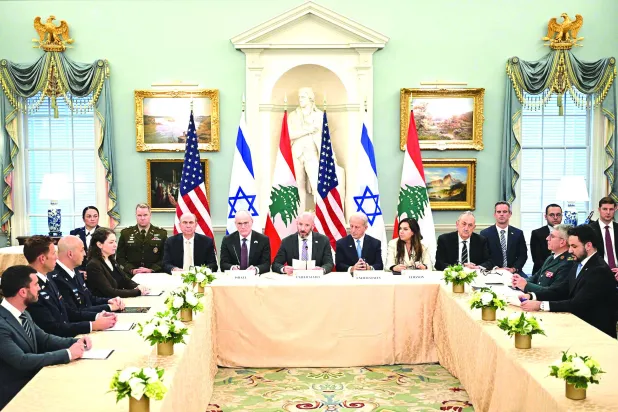
Sources in the Lebanese presidency told Asharq on Saturday that the sixth round of direct negotiations between Lebanon and Israel, scheduled in Rome on July 14-15, will discuss mechanisms for implementing the framework agreement signed in Washington, and the possibility of forming specialized committees to complete the implementation of some of its clauses.
The sources clarified that the Lebanese delegation, headed by Ambassador Simon Karam, will head to Rome to conduct negotiations with the Israeli delegation.
They added that next week's meeting will be dedicated to discussing the clauses in the framework agreement, signed between Lebanon and Israel on June 26, and to begin developing implementation mechanisms for them.
They pointed out that the US military delegation that arrived in Beirut will work in parallel with the Lebanese army to develop the security and military mechanisms for the clause concerning the two experimental zones, and the mechanism for its field implementation.
Formation of committees and expansion of the delegation
The sources revealed that during the Rome meetings, it will be discussed whether some other clauses require the formation of specialized committees, and these committees will be formed to complete the work as stipulated in the framework agreement.
The sources said that the possibility of new figures joining the Lebanese delegation, alongside Ambassador Simon Karam, is still under consideration, pending Israel's announcement of its delegation, especially since discussing some technical aspects of the framework agreement may require the participation of specialists.
A US military delegation arrived in Beirut on Friday evening, headed by the Chairman of the Military Coordination Commission General Joseph Clerfield, to discuss the Israeli withdrawal from the two experimental zones, and coordination with the Lebanese army regarding the mechanism for its entry and deployment in them, and to monitor the withdrawal and oversee its implementation.
Lebanese demands
During the Rome meetings, the Lebanese delegation will renew the demands repeatedly made by President Joseph Aoun, according to sources, most notably a complete ceasefire, consolidating calm in the south, and pressing Israel to halt its military operations and comply with the framework formula announced at the conclusion of the Lebanese-American-Israeli negotiations in Washington.
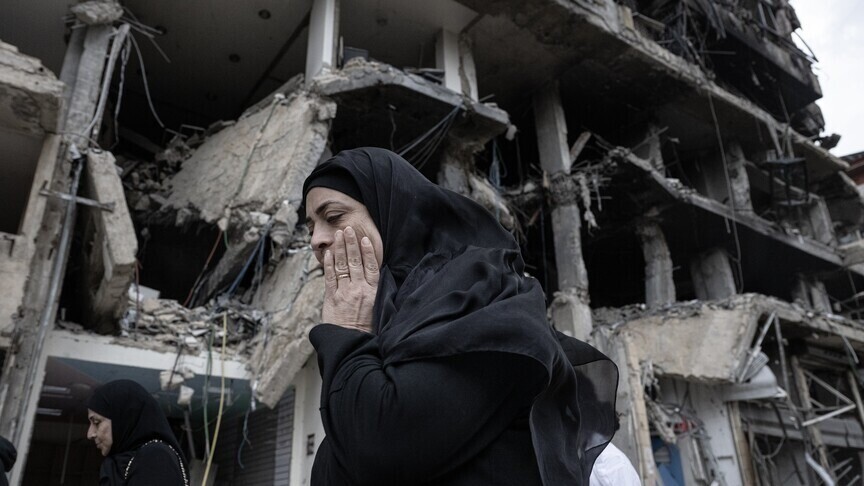
Lebanon will also demand a halt to the shelling, demolition, and bulldozing operations carried out by Israeli forces in a number of towns and villages they occupy.
A US official said on Thursday that Lebanon and Israel have moved to the 'implementation phase of the framework agreement,' referring to the tripartite agreement sponsored by the United States, which sets a roadmap towards reaching a permanent settlement between the two countries.
Aoun: Negotiating with Israel serves Lebanon's sovereignty
Lebanese President Joseph Aoun affirmed on Friday, during his reception of Lebanese Forces party leader Samir Geagea at the head of the 'Strong Republic' bloc, that he is doing his duty out of conviction and does not seek to achieve personal interests.
Aoun said that the criticisms directed at the decision to enter into direct negotiations with Israel 'do not deserve a response,' noting that Lebanon has conducted direct negotiations with Israel on more than one occasion, starting from 1949.
He added: 'I affirm that I will not back down from the negotiation decision I made, while insisting that all my positions include clarifications to the Lebanese people about the importance of the path we are taking, and Lebanon's adherence to its sovereignty in all the steps we take.'
Aoun explained that he made a difficult choice, and that the road ahead is not smooth, given the balance of power, Israeli calculations, the Iranian-American situation, and other complexities.
He considered that this choice consolidates the sovereignty of the Lebanese state and its right to negotiate by itself and for itself, and helps it emerge from the repercussions of the war that was imposed on it.
Aoun touched on the framework formula, considering that it could restore Lebanon's rights through diplomatic means, if Israel adheres to its clauses and its implementation succeeds.
He added: 'Today we have an opportunity to regain the gains we lost as a result of a futile war, especially given the current American momentum towards Lebanon, and the ability of the United States to pressure Israel to overcome the obstacles it places.'
Israel: No orders to withdraw
In contrast, the Israeli news site Ynet quoted a senior official as saying that handing over the two experimental zones to the Lebanese army will take at least several weeks, while the site clarified, citing Israeli military officials, that no order has yet been issued for Israeli forces to withdraw from the areas where they are stationed in Lebanon.
The officials added that the Israeli army continues to sweep the area along the 'yellow line,' inspect infrastructure, rotate forces, and prepare offensive plans in anticipation of a possible collapse of the ceasefire.
Continuous Israeli violations
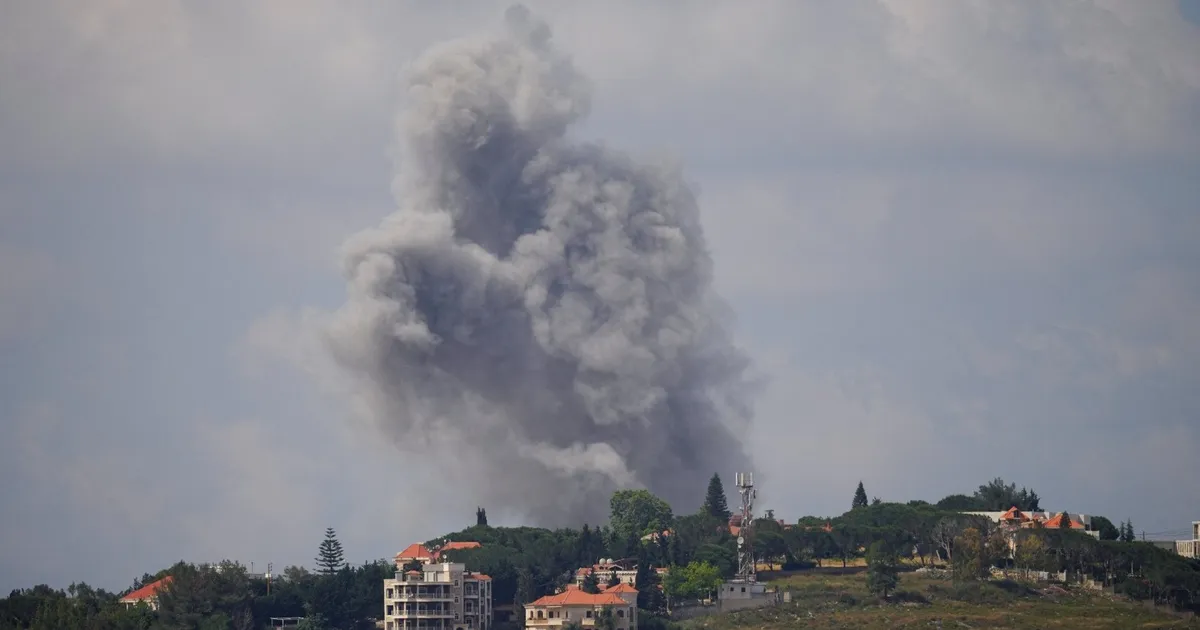
On the ground, the Israeli army continued to violate the ceasefire agreement in southern Lebanon.
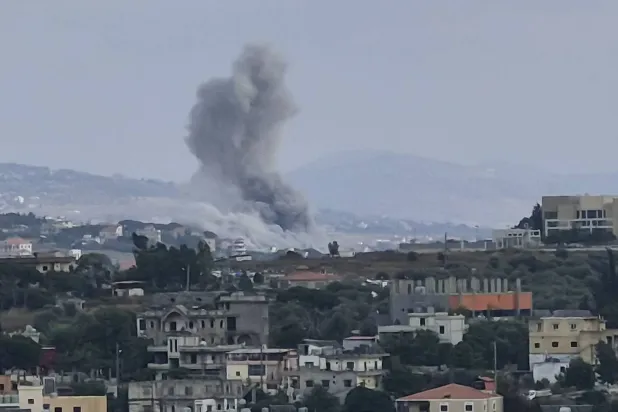
The National News Agency reported on Saturday that an Israeli force infiltrated the town of Beit Yahoun, coinciding with artillery shelling and heavy sweeping, while 7 people were wounded in raids targeting the town of Al-Mansouri.
An Israeli drone strike killed a young man in the Nabatieh district, and another was seriously injured, while the Israeli army carried out demolition operations in the town of Kounine and a drone struck the area between the towns of Kafr Tebnit and Nabatieh al-Fawqa.
In the latest tally by the Lebanese Health Ministry, the number of victims of the Israeli aggression from March 2 to July 11 reached 4,322 dead and 12,210 wounded.
Original source: Asharq News

Comments (0)
Be the first to comment.