Libya joins Chinese payment system, reducing its dependence on the dollar
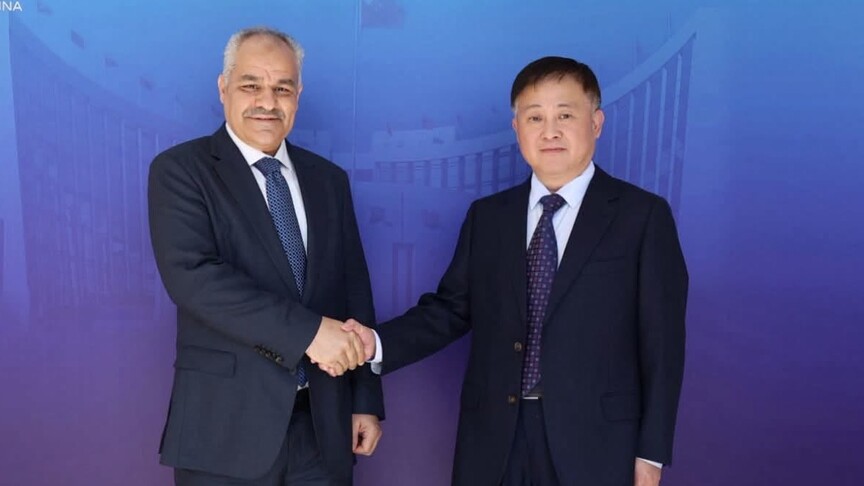
China's CIPS system allows Libyan banks to send and receive payments in yuan directly
Istanbul / Anadolu
The Governor of the Central Bank of Libya, Naji Mohamed Issa, agreed with the Governor of the People's Bank of China, Pan Gongsheng, to link Libyan commercial banks with the Chinese payment and settlement system.
The Central Bank of Libya said on Saturday in a statement on its website that Issa, who is on a visit to the capital Beijing, met with the Governor of the People's Bank of China on Friday, where they reviewed the volume of trade between the two countries and discussed ways to enhance it and increase its growth rate.
The statement added: "The importance of launching a new phase of a genuine strategic partnership between the two banks was discussed, and agreement was reached to link Libyan commercial banks with the Chinese payment and settlement system (CIPS), which simplifies the process of financial transfers easily and conveniently."
The CIPS system for cross-border financial payments and settlements was launched by the People's Bank of China in 2015 to facilitate international transfers using the Chinese yuan. It serves as an infrastructure that allows banks around the world to send and receive payments in yuan directly, reducing dependence on the dollar, as there is no need to go through intermediary banks.
The statement explained that the two sides also agreed to overcome difficulties and work to facilitate bilateral trade procedures to ensure raising the volume of trade between the two countries by starting to implement direct transfers to China, which facilitates the work of small traders.
The two sides also agreed, according to the statement, to open documentary credits directly through Chinese banks, and to organize a visit by an official Libyan banking delegation headed by the Central Bank governor and accompanied by managers of Libyan commercial banks to Beijing as soon as possible to meet with their counterparts in China.
The statement indicated that the upcoming visit aims to "establish bilateral cooperative relations between commercial banks in the two countries and benefit from the Chinese experience in the field of electronic payments and direct financial transfers, which contributes to reducing transactions through the informal market, ensuring compliance with anti-money laundering and counter-terrorism financing standards, and improving the reputation of the Libyan banking sector."
Original source: Anadolu Agency

Comments (0)
Be the first to comment.