As Trump Hints at Major Escalation, Washington Announces Targeting of Iranian Military Command Centers

The US Central Command announced it has successfully carried out its 13th consecutive round of strikes against Iran, targeting military command centers and communications networks, as US President Donald Trump considers a major escalation. Meanwhile, Iranian officials vowed to respond, and shipping through the Strait of Hormuz hit a two-month low.
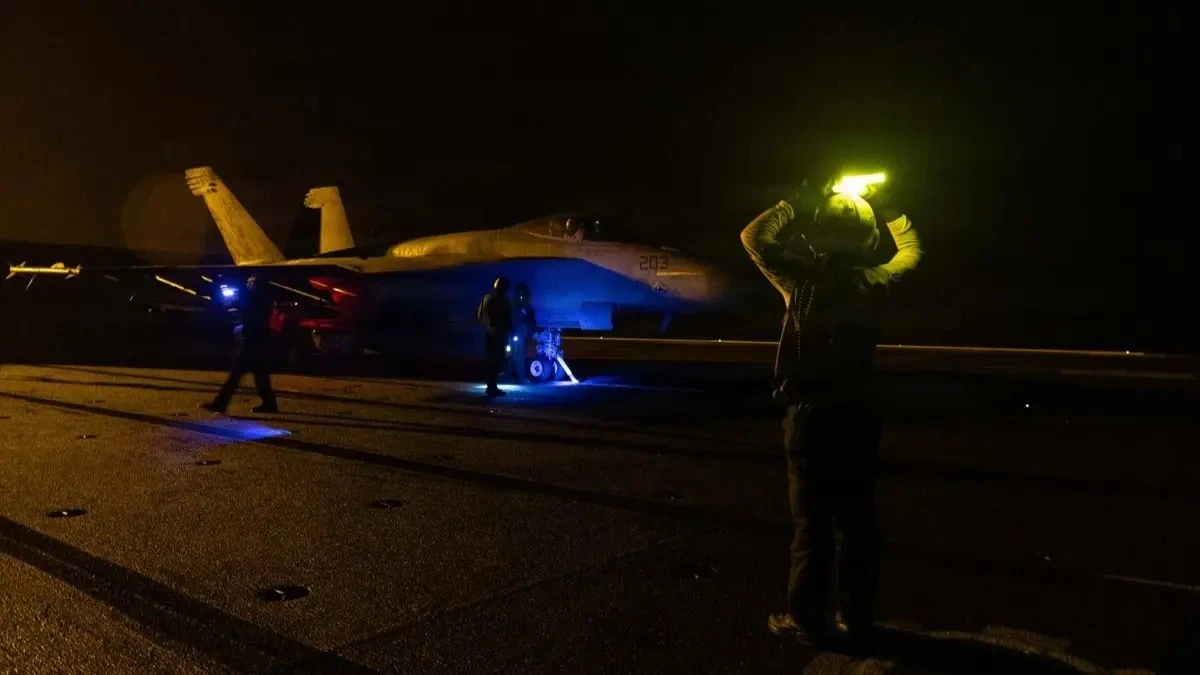
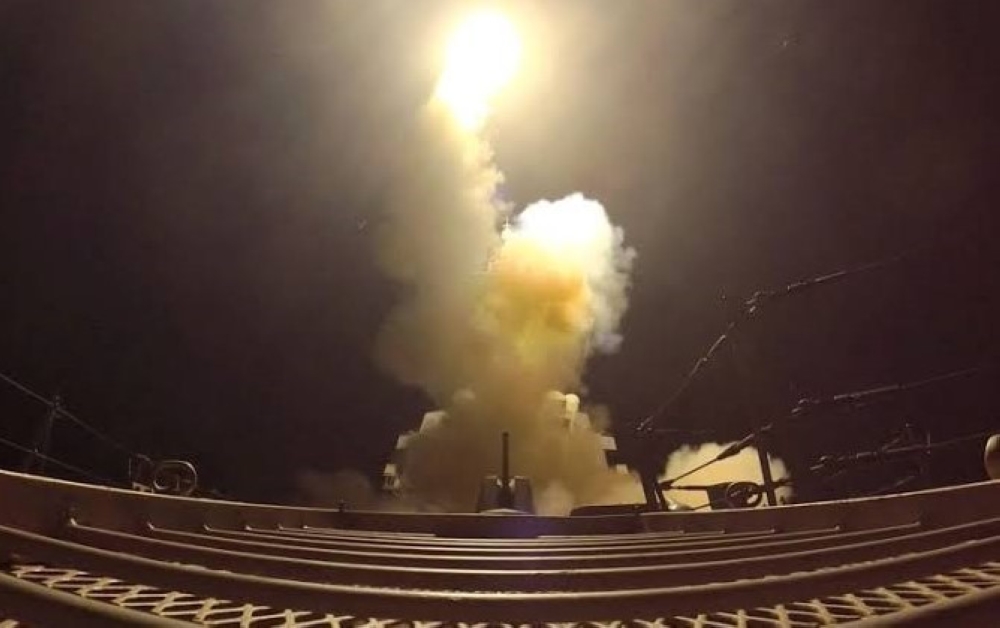
The US Central Command announced that its forces have successfully completed the thirteenth consecutive round of strikes against Iran, targeting military command centers and communications networks, while US President Donald Trump plans a larger escalation of military operations.
The Central Command stated on Friday that the strikes targeted "Iranian military command centers, drone storage facilities, communications networks, coastal surveillance sites, and naval capabilities, with the aim of reducing the threat posed by Iran to civilian sailors and commercial vessels transiting the Strait of Hormuz."
It added that the international waterway remains open to navigation despite recent attacks launched by the Iranian Revolutionary Guard Corps, confirming that commercial vessels continue to cross freely through the strait with the support of the US military.
The Central Command pointed out that more than 50,000 US service members are currently deployed across the Middle East.
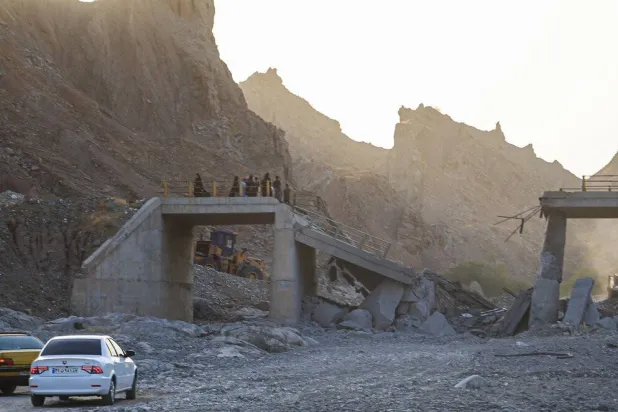
Shortly after the announcement of the strikes, Iranian state media reported explosions in the coastal city of Bandar Abbas, a major hub for transporting military supplies and commercial goods.
Explosions were also reported on Qeshm Island, which houses storage facilities for naval assets including drone boats that Iran can use to attack ships in the Strait of Hormuz, in addition to areas near Andimeshk, Omidiyeh, and Firuzabad in the country's northwest, according to the Associated Press.
The US Central Command stated that the latest wave of strikes aims to "weaken Iran's ability to threaten civilian sailors and commercial vessels transiting territorial waters," as part of US efforts to restore navigation in the strategic waterway, through which about one-fifth of global oil and gas trade used to pass.
In remarks to the Axios website, Trump said he is seriously considering resuming large-scale military operations against Iran, including strikes that would be larger than those carried out during Operation Epic Fury.
Trump acknowledged that such a decision would have repercussions, but stressed that he has not yet made up his mind and has not set a date for the decision, while two other US officials confirmed that no new orders have been issued to the military.
Trump added: "I am considering a massive attack, bigger than ever before. I am close to making a decision, and everything is ready."
Hormuz Crossings at Two-Month Low
Reuters reported on Friday, citing vessel tracking data, that the number of tankers crossing the Strait of Hormuz dropped to just one on Thursday, the lowest rate since May 7, as risks threatening Middle East shipping continue and oil prices rise again to exceed $100 a barrel.
According to data from analytics firm Kpler, only one tanker crossed the Strait of Hormuz on July 23, compared with three tankers the previous day.
The very large crude carrier New Giant, loaded with two million barrels of Iraqi Basra crude, left the strait on Thursday and is scheduled to reach China's Rizhao port by mid-August.
No vessels entered the Strait of Hormuz on Thursday.
Trump said on Truth Social on Thursday that Iranian funds under sanctions held by the United States will be used to cover the costs of repairing ships damaged during the war.
He added: "Let this statement serve as a declaration that from now until further notice, any and all damage inflicted upon vessels, cargo, or anything related, will be paid for from Iranian funds owned and controlled by the United States."
Iranian Foreign Minister Abbas Araghchi considered on Friday that the confiscation of these assets represents a "dangerous precedent."
The war of words between the two sides also escalated, with Araghchi saying that Tehran will pursue an "eye for an eye" policy in response to US strikes targeting its infrastructure, while US Secretary of State Marco Rubio responded during a visit to the Philippines to attend a regional summit that "the price will continue to rise every night until they come to their senses."
Iranian state TV quoted military spokesman Brigadier General Mohammad Akraminia as saying that Iran will continue to respond as long as the US continues to attack its infrastructure and coastal areas.
Iran's Negotiating Stance
Both the CIA and the Defense Intelligence Agency (DIA) concluded in recent assessments that the pattern of US bombardment currently being carried out against Iran is unlikely to push Tehran to change its negotiating stance, CNN reported, citing knowledgeable US officials.
It stated that the assessments place Trump, who faces the prospect of his party sustaining heavy losses in the upcoming November midterm elections, before "limited options."
It pointed out that one option is to escalate the war by sending US ground troops, a threat Trump has repeatedly reiterated while talking about occupying Qeshm Island or seizing Iran's stockpile of highly enriched uranium, though such a step would contradict one of his prominent campaign promises not to entangle Americans in "endless foreign wars."
According to the report, the main problem facing the Trump administration is that Washington and Iran are engaged in two different patterns of escalation. The US relies on vertical escalation by targeting more sensitive Iranian sites and gradually expanding the scope of strikes to alter the Iranian leadership's calculations, while Iran tilts toward horizontal escalation by targeting regional countries and civilian infrastructure in an effort to increase international pressure on Washington.
A US official told CNN that Trump "is currently focused on making Iran pay for its violations of the memorandum of understanding and its continued terrorist acts in the Strait of Hormuz, in addition to the recent loss of American soldiers," affirming that the strikes will continue until the president decides otherwise, while talks between the two countries continue and "all options are on the table."
Politico had also noted that Trump's threat to bomb Iranian infrastructure may not be enough to force Tehran to back down, and instead highlights the limits of what an air war alone can achieve.
Original source: Asharq News


Comments (0)
Be the first to comment.