Tehran Escalates Against Trump, Threatens to Expand War
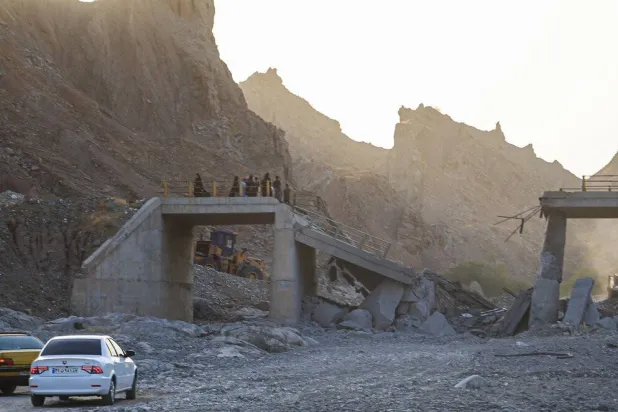
Tehran raised the level of its threats on Wednesday in response to U.S. President Donald Trump's hint at targeting bridges and power plants in Iran.
Tehran escalated its threats on Wednesday in response to U.S. President Donald Trump's hint at targeting bridges and power plants in Iran, warning of striking energy facilities in the region, preventing oil exports, tightening restrictions on navigation in the Strait of Hormuz, and threatening to expand the war.
Leaders of the Revolutionary Guard threatened on Wednesday to target electricity supplies in the region if the United States carries out its threat to strike Iranian bridges and power plants. Iranian media quoted the commander of the Revolutionary Guard's missile unit, Majid Mousavi, as saying that power outages in regional countries would be 'inevitable' if Iranian infrastructure is targeted.
0 seconds of 0 secondsVolume 90%
Press shift question mark to access a list of keyboard shortcuts
00:00
00:00
00:00
The commander of the Revolutionary Guard's naval force, Ali Azmaei, warned against using what he described as 'alternative routes' in the Strait of Hormuz, saying that passing through them could have 'grave and irreparable consequences.' A Revolutionary Guard spokesman said the southern route of the strait is mined, warning shipping companies against using it. This claim could not be independently verified.
In a parallel context, the operations of the Iranian Armed Forces General Staff said that U.S. President Donald Trump again threatened to target the country's infrastructure, warning that carrying out his threats would lead to preventing oil exports through the region and targeting oil, gas, electricity facilities and economic infrastructure there.
It added that the Strait of Hormuz 'remains closed,' and that any ship allowed to transit must adhere to the designated route and arrangements previously announced by Tehran.
The command warned that continued U.S. threats could expand the war inside and outside the region.
For his part, Iran's chief negotiator Mohammad Baqer Qalibaf said on Wednesday that no one will be able to sell oil in the region if Iran is prevented from selling its oil, warning that if his country's security is not guaranteed, any infrastructure will be unsafe.
The equation of this war is clear: either everyone or no one! In a region where we do not sell oil, no one will sell oil. If our security is not ensured, no infrastructure will be safe, and the security of the strait lies in the absence of American forces. We have repeatedly said that the situation of the strait will not return to what it was before the war.
— Mohammad Baqer Qalibaf | MB Ghalibaf (@mb_ghalibaf) July 22, 2026
Qalibaf added in a post on platform 'X': 'The equation of this war is clear: either everyone or no one. In a region where we do not sell oil, no one will sell oil.'
Qalibaf, a Revolutionary Guard leader, continued: 'If our security is not guaranteed, no infrastructure will be safe, and the security of the Strait of Hormuz lies in the absence of American forces,' stressing that Tehran has repeatedly said that 'the situation of the strait will not return to what it was before the war.'
In turn, Iranian Foreign Minister Abbas Araghchi said that his country's defense doctrine is based on the principle of 'eye for an eye,' warning that any attack on Iran, including targeting its infrastructure, will be met with a strong and decisive response.
Our defense doctrine is clear: eye for an eye.Any aggression against Iran, including our infrastructure, will compel a powerful and decisive response.Those who contribute to such aggression, whatever the kind of support, will also be considered as legitimate targets.
— Seyed Abbas Araghchi (@araghchi) July 22, 2026
Araghchi added in a post on platform 'X' that entities that contribute to such attacks, whatever kind of support they provide, will also be considered 'legitimate targets.'
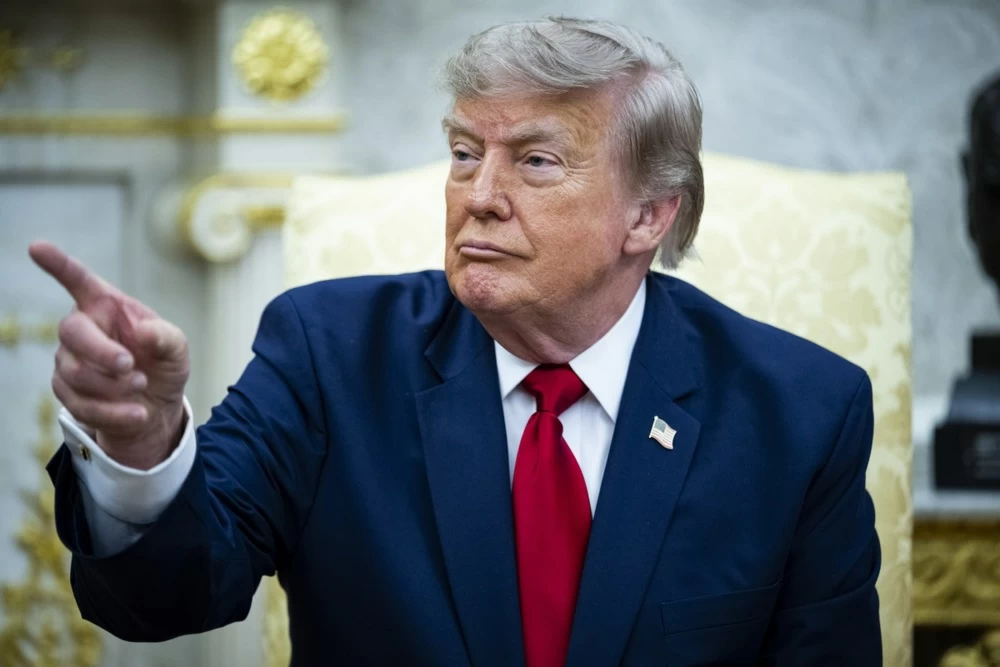
The Iranian responses came after U.S. President Donald Trump threatened to destroy a bridge or a power plant in Iran for every new attack on a ship in the Strait of Hormuz, as the dispute between the two sides over the security of navigation in the waterway continues.
In a related context, Axios reported that the head of the Israeli intelligence agency Mossad visited Washington two weeks ago for talks on the war against Iran, his first visit to the U.S. capital since taking office.
The site quoted two informed sources, unnamed, as saying that the Mossad chief met with CIA Director John Ratcliffe and White House officials.
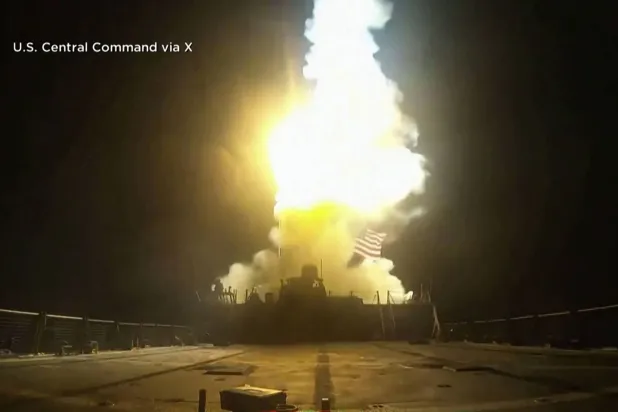
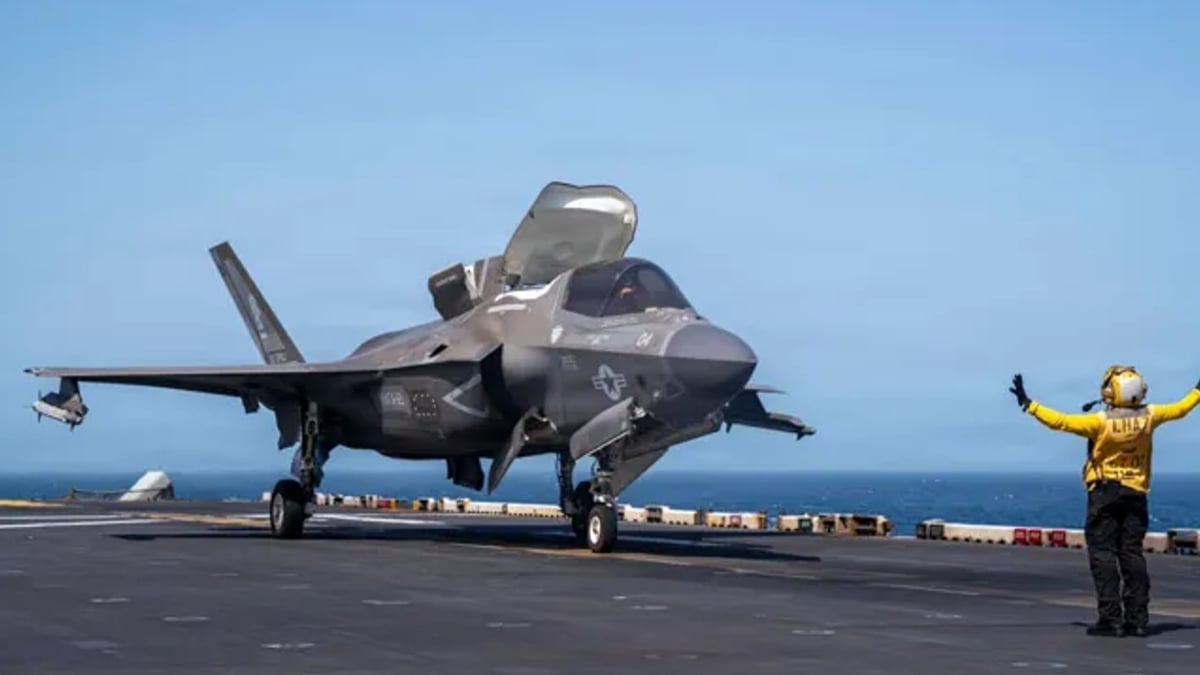
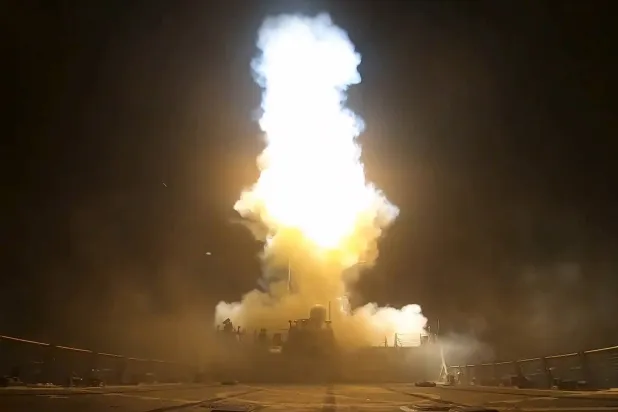
U.S. forces continue their strikes inside Iran, and Washington and Tehran exchange blows, as diplomatic efforts falter and the confrontation over the Strait of Hormuz continues, with the Houthis threatening to expand attacks in the Red Sea, raising fears of disruption to global trade and energy flows.
Read also
Original source: Asharq Al-Awsat


Comments (0)
Be the first to comment.