The Battle of the Long Breath: How Long Will America Hold Out on Oil?

The Battle of the Long Breath: How Long Will America Hold Out on Oil?
In recent months, oil stocks have turned into a safety valve to mitigate the effects of the war in the Middle East on the US economy, but this shield has begun to weaken as withdrawals continue. To what extent can the United States rely on these stocks?
Why the withdrawal?
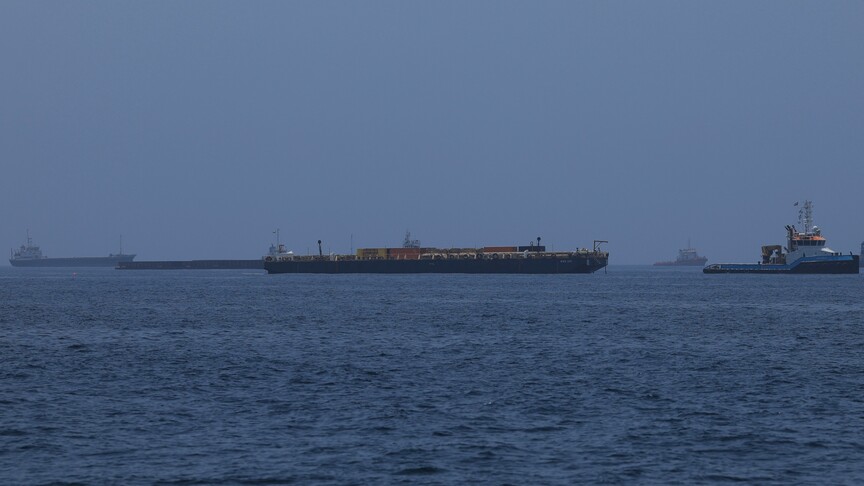
- The United States has succeeded in recent months in limiting the shock of supply disruptions through heavy withdrawals from the oil reserve, to compensate for the shortage of Middle East supplies, with the continued closure of the Strait of Hormuz.
How did the stock decline?
- The US Strategic Petroleum Reserve fell by 3 million barrels to 316.5 million barrels in the week ending July 10, the lowest level since 1983, as the US administration withdrew about 98.9 million barrels since the outbreak of the war in the Middle East at the end of February.
How much is left?
- Despite the sharp decline, Washington still has room to continue withdrawals, after approving in March the release of 172 million barrels from stocks over 120 days, as part of an International Energy Agency plan that includes the withdrawal of 400 million barrels from member countries' reserves.
Are there problems?
- Concerns are not limited to declining stocks; US storage facilities suffer from aging infrastructure, leaks, and frequent breakdowns. In late June, the Government Accountability Office recommended temporarily restricting emergency sales and providing funding for maintenance and upgrades.
What is the minimum?
- Studies conducted when the strategic reserve was created in the 1970s indicate that the operational minimum for storage facilities is 250 million barrels, meaning that continued withdrawals at the current pace could bring stocks close to levels that impose operational and technical constraints.
What does this mean?
- Michael Lynch, president of Strategic Energy & Economic Research, believes that the current stock could allow a withdrawal of 1 million barrels per day for 60 days, or 2 million barrels per day for 30 days, before approaching the operational minimum.
What about other countries?
- The International Energy Agency said in a report issued at the end of last week that member countries have released three-quarters of the emergency stock planned for withdrawal, amounting to 400 million barrels, meaning that only a few weeks remain before these supplies run out of the market.
What does the Fund see?
- The International Monetary Fund believes that the world is currently less prepared to face a new oil shock, affirming that the reserves that helped markets overcome disruptions in recent months have begun to erode, amid continued military strikes between Washington and Tehran and the closure of the Strait of Hormuz.
Safety valve
- Matthew Tuttle, CEO of Tuttle Capital, said that stocks were a safety valve for the US economy, and they are now at critical levels, which may leave Washington less able to contain any new jump in oil prices if the supply crisis worsens.
Limited capacity
- In the end, oil stocks succeeded in alleviating the supply shortage crisis in recent months, but the continued closure of the Strait of Hormuz will limit the ability of the United States and its allies to protect markets, increasing the risks of rising oil prices and global inflation.
Sources: Argaam – Reuters – MarketWatch – IMF – Wall Street Journal – Yahoo Finance – Financial Times – Fortune
Important Information
Oil and Energy
{{displayname}}
{{profession}}
{{followercount}}
{{aboutme}}
Original source: Argaam



Comments (0)
Be the first to comment.