Trump says 'Iran will be defeated soon', and Washington expands strikes on targets near the Strait of Hormuz and Bandar Abbas
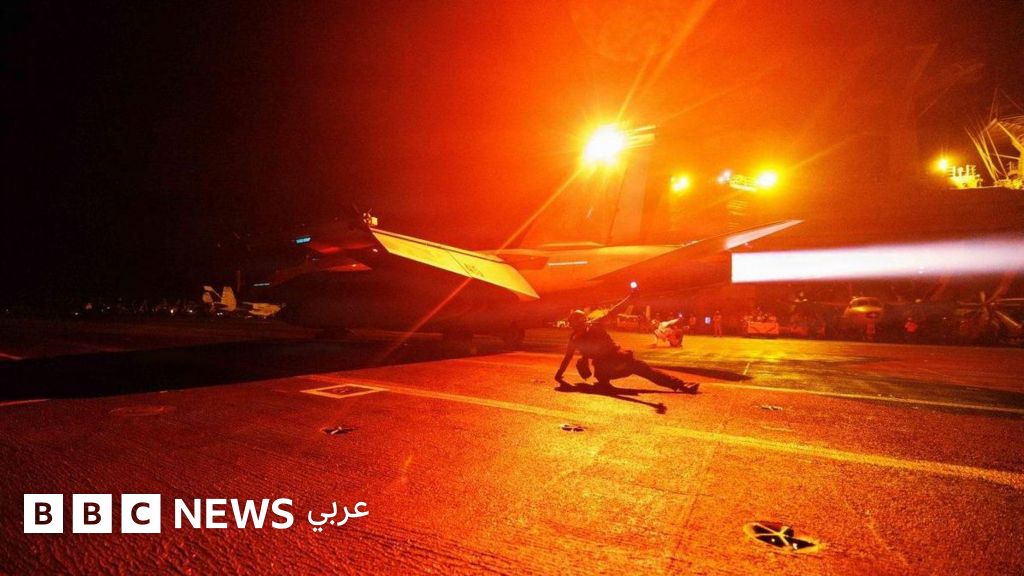
The United States launched new strikes on Iranian military targets in the Strait of Hormuz, saying it aims to undermine Tehran's capabilities. Iran responded by targeting US facilities, amid ongoing escalation.
Trump says 'Iran will be defeated soon', and Washington expands strikes on targets near the Strait of Hormuz and Bandar Abbas
Published 2 hours ago
Reading time: 3 minutes
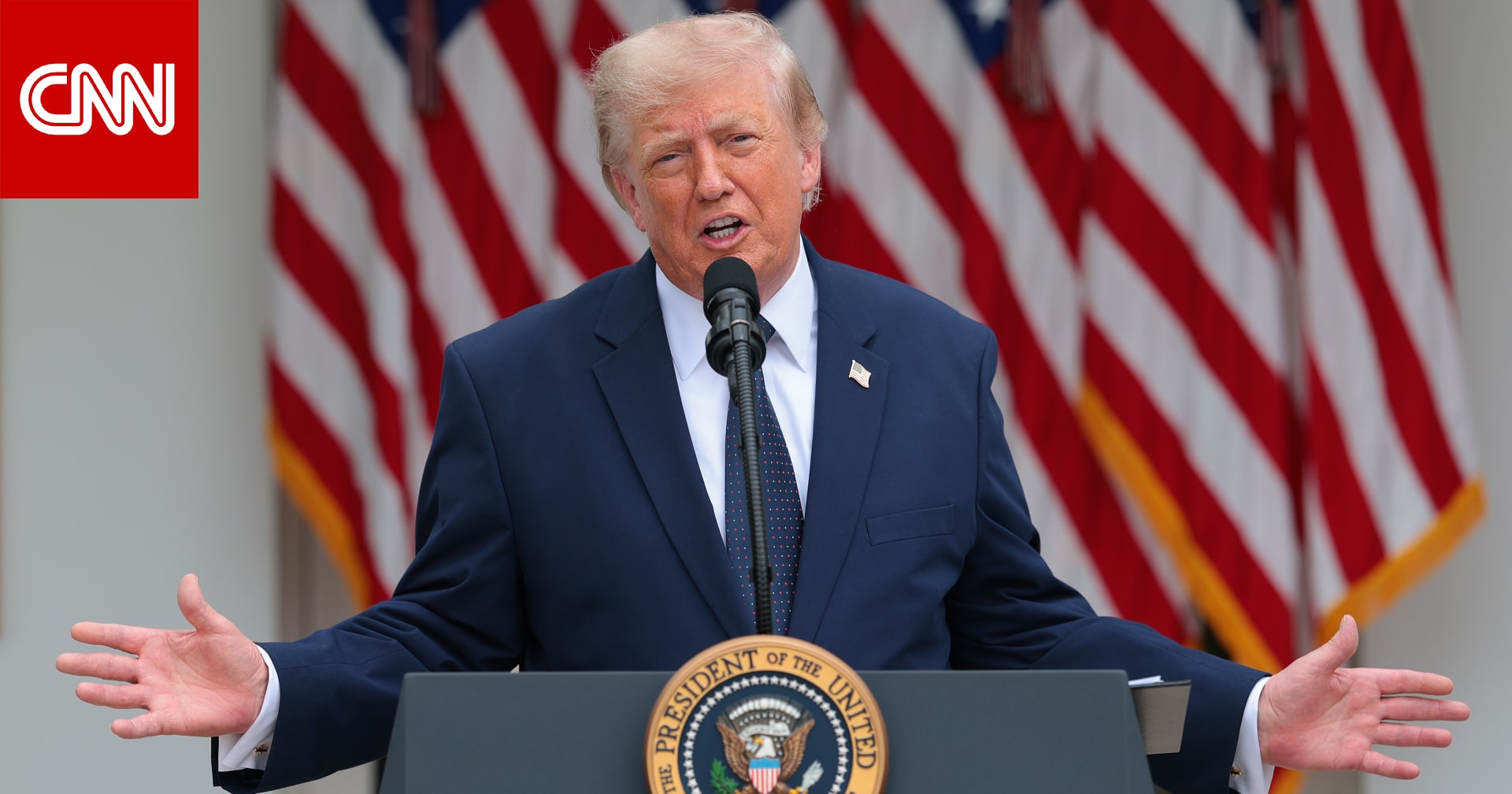
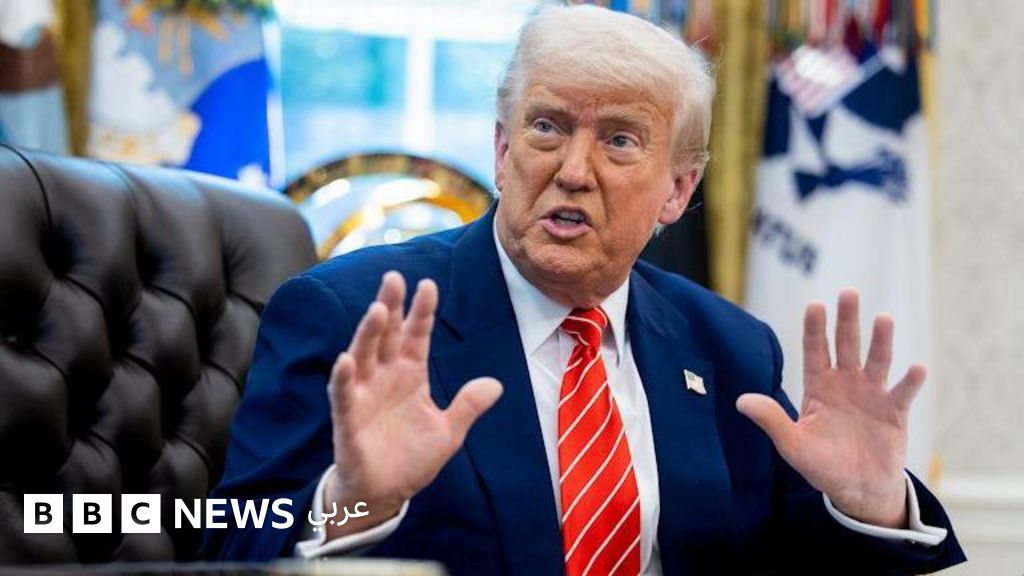
US President Donald Trump said on Wednesday that Iran 'strongly desires' to reach a settlement with the United States, stressing that Washington will decide whether to take that step or not.
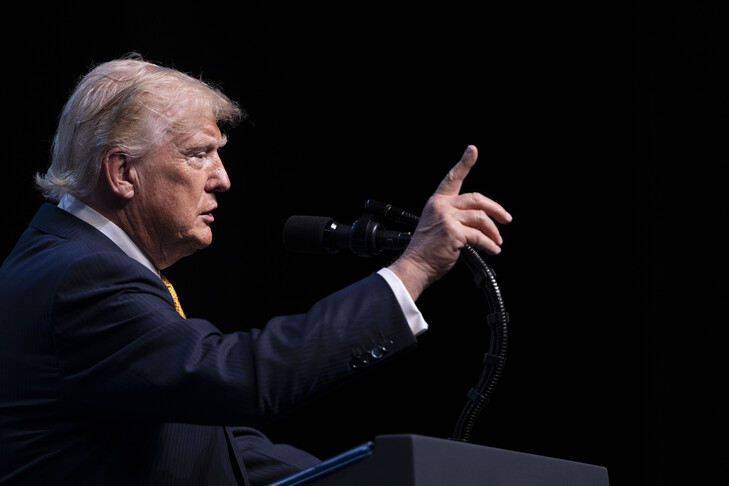
Trump added during remarks in Carlisle, Pennsylvania, that Iran 'will be defeated soon', without providing further details, as military escalation continues between the United States and Iran and an exchange of strikes between the two sides.
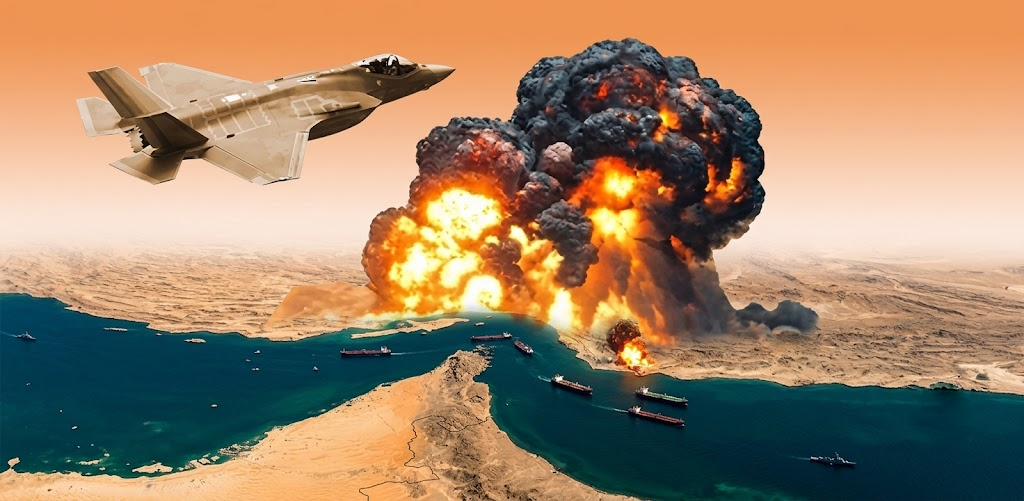
The US military announced Wednesday evening a new series of strikes on Iran, saying they aim to limit Tehran's ability to 'threaten' ships in the Strait of Hormuz.
The US Central Command (CENTCOM) said in a statement 'At 3:00 p.m. Eastern Time (19:00 GMT), US forces began operations including a second wave of strikes against Iran today. These strikes target Iranian military capabilities used to threaten ships freely transiting the Strait of Hormuz.'
In this context, Iran's Mehr news agency reported on Wednesday hearing explosions in the city of Bandar Abbas in southern Iran, before announcing that US projectiles had hit a site near the city.
Skip X post
Do you allow content from X to be displayed?
This page contains content from X. Your consent is required before displaying any materials as they may include cookies and other technical tools. You may wish to review X's cookie policy and privacy policy before consenting. To view the content, choose 'Accept and complete'
Warning: BBC is not responsible for the content of external sites
End of X post
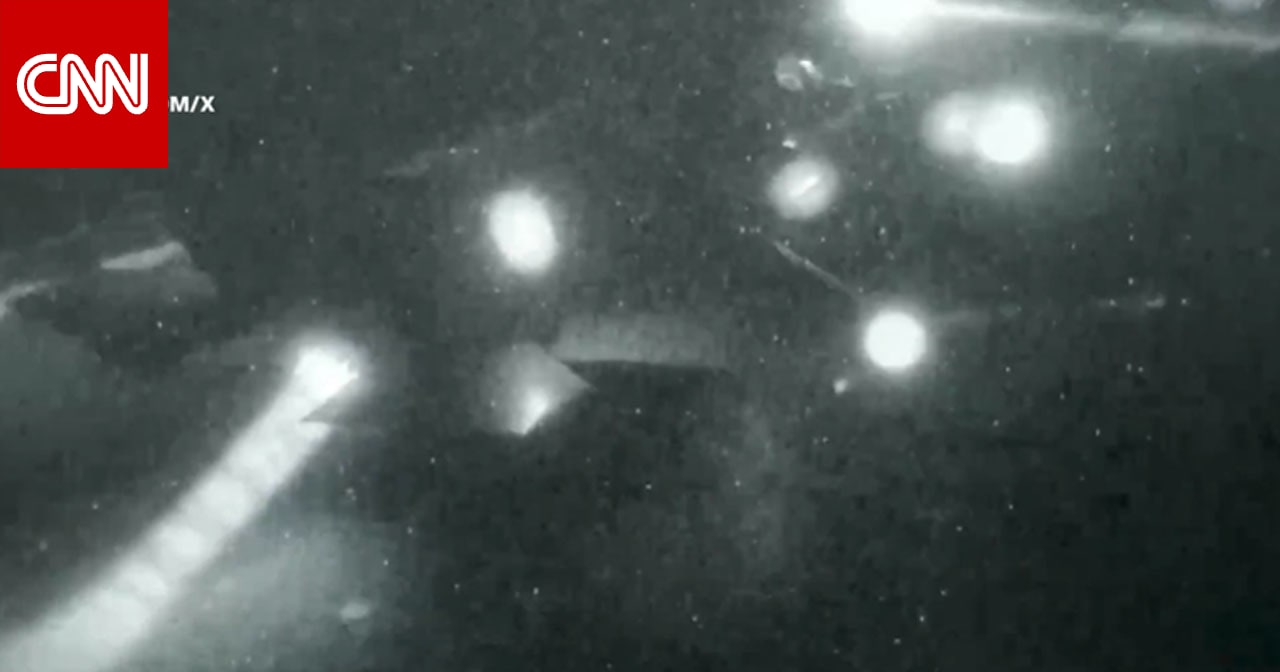
The US military said one of its aircraft opened fire on Wednesday on an empty oil tanker and disabled it as it attempted to break the naval blockade imposed on Iranian ports.
A post by the US Central Command (CENTCOM) on X said the aircraft 'disabled the ship after firing Hellfire missiles at its smokestack. The ship is no longer heading to Iran.' CENTCOM explained that the oil tanker is 'MT Belma' flying the flag of Curacao.
This is the first time the United States has forcibly stopped a ship since it re-imposed the blockade on Iranian ports at 20:00 GMT on Tuesday.
Skip most read and continue reading
Messi reaches World Cup final for the third time after Argentina defeats England
"How Israel recruited former Iranian President Mahmoud Ahmadinejad?" - New York Times
Wreckage of a Soviet nuclear submarine... a 'time bomb' threatening catastrophic pollution
Why do mosquitoes bite some people more than others?
Skip podcast and continue reading
Worth paying attention
In-depth explanation of the most important events and topics, to help you understand the key changes around you and their impact on your life
Episodes
End of podcast
CENTCOM noted that two commercial vessels complied with diversion orders in the first 24 hours of the reinstated blockade.
US forces had imposed a blockade on Iranian ports from April 13 to June 18. During that period, they disabled nine ships and diverted more than 140 ships, according to CENTCOM.
Meanwhile, Trump predicted a decline in oil prices to around $55 a barrel or less when the situation stabilizes and the escalation ends.
He added that many had predicted oil prices would reach $350 a barrel, stressing that the price increase came after he took 'strict measures' due to Iran's failure to comply with what is required of it, in his words.
On Wednesday, the United States targeted Iran, which responded by bombing targets in neighboring countries, with the pace of mutual shelling escalating, raising fears of a return to war in the Middle East and the end of the ceasefire agreement's effectiveness.
Iran, which again disrupted navigation in the Strait of Hormuz over the weekend, vowed to keep the vital waterway closed until the US 'aggression' stops. Meanwhile, the United States on Tuesday reinstated its blockade on Iranian ports and resumed shelling areas in southern Iran, especially those coastal areas overlooking Hormuz.
Since the resurgence of mutual strikes, more than 30 civilians have been killed according to Tehran.
In response, the Islamic Republic again targeted US facilities in Gulf states.
Vance rules out US ground intervention in Iran
US Vice President JD Vance ruled out sending US ground forces to Iran to overthrow its government, stressing that any political change must come from the Iranian people, not through the US military.
Vance said during an interview on 'The Joe Rogan Experience': 'If the Iranian people want to rise up and change their government, that's up to them, but we are not going to send 150,000 ground troops to achieve regime change,' adding: 'We are not in that business anymore.'
Vance warned of Iran's collapse and its transformation into a failed state like Libya, pointing out that this could lead to the spread of terrorism and an influx of millions of refugees into Europe and the United States.
He explained that the current US administration's goals are to keep the Strait of Hormuz open, protect the flow of oil and gas, and prevent Iran from possessing a nuclear weapon.
Skip short clips and continue reading
Short clips
End of short clips
Iran and the Strait of Hormuz: What do past experiences say about the effectiveness of a naval blockade? April 20, 2026
What is a naval blockade? How can it be applied in the Strait of Hormuz? April 13, 2026
Including Hormuz and the Suez Canal: The most prominent straits and waterways in the world April 5, 2026
Original source: BBC Arabic
Comments (0)
Be the first to comment.