Nikkei Closes Higher on Semiconductor and Rate Hike Expectations
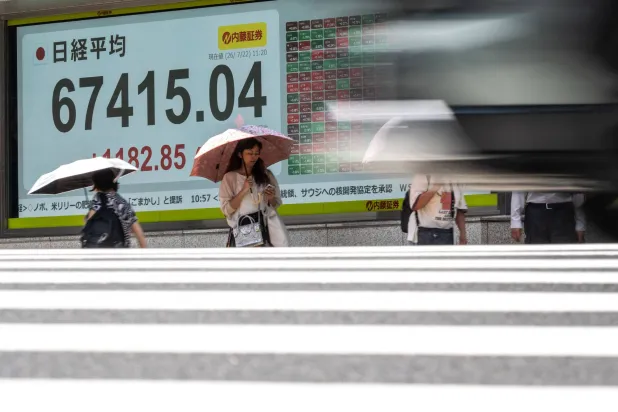
Japan's Nikkei index closed higher on Thursday, as semiconductor stocks were boosted by a rise in their U.S. peers overnight.
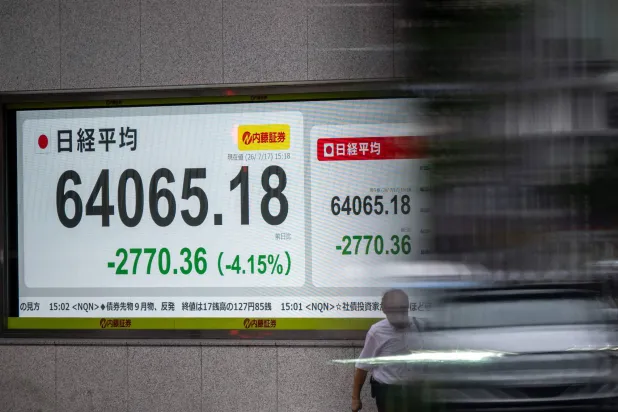
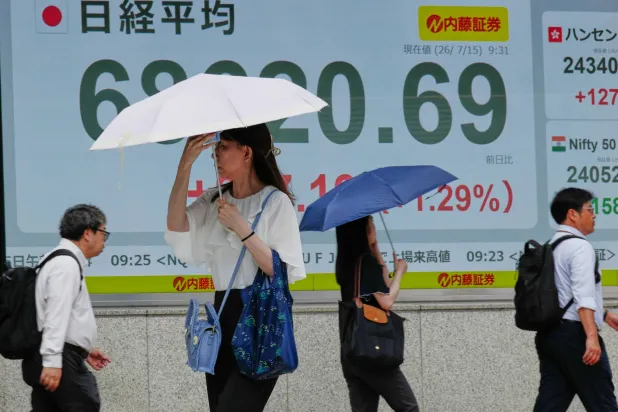
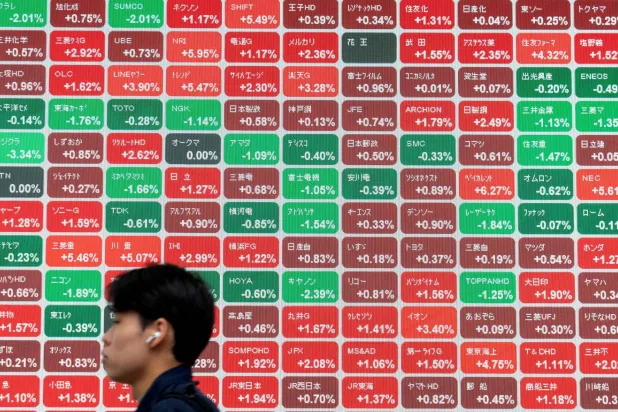
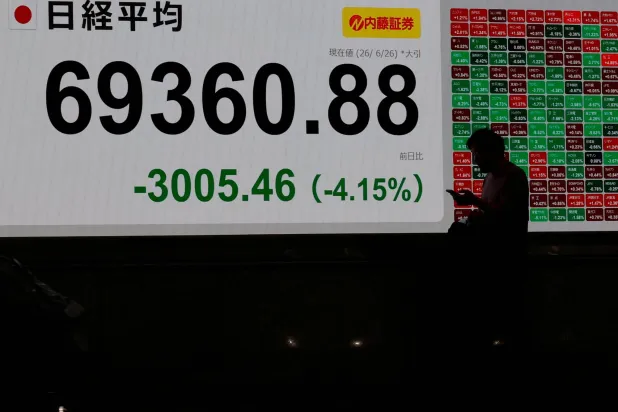
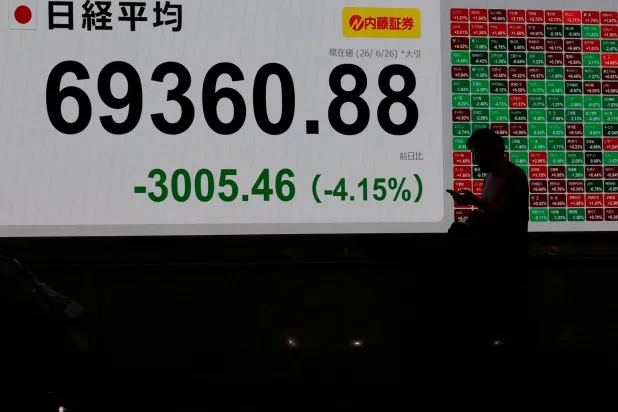
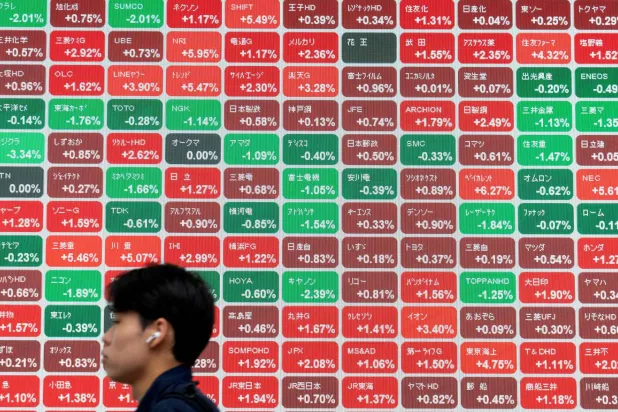
Japan's Nikkei index closed higher on Thursday, as semiconductor stocks were boosted by a rise in their U.S. peers overnight, although expectations of an early interest rate hike by the Bank of Japan capped gains. The Nikkei rose 0.46% to 66,422.6 points, while the broader Topix index gained 0.51% to 4,053.88 points. Overnight, the Philadelphia Semiconductor Index, a benchmark for the Nikkei, rose 0.4%. Alphabet announced that it expects to spend between $195 billion and $205 billion on capital expenditures, compared with its previous plan of $180 billion to $190 billion this year. Shutaro Yasuda, market analyst at Tokai Tokyo Research Laboratory, said: 'Sentiment improved after Alphabet raised its investment outlook, and U.S. chip manufacturing stocks rose slightly... On the other hand, expectations of an early rate hike by the Bank of Japan negatively impacted sentiment. So far, the central bank has tried to support the economy while raising rates, but this stance may change, which is negative for domestic demand-driven stocks.' In Japan, AI and chip stocks rose, with Advantest jumping 4.11% and SoftBank Group, a technology investor, gaining 3.77%. Memory chip maker Kioxia fell after early gains, closing down 3.72%. Chip equipment maker Tokyo Electron also declined, closing down 0.02%. Bank stocks rose in tandem with Japanese government bond yields, which increased amid expectations of an early rate hike; Mizuho Financial Group rose 2.78%. Sumitomo Mitsui Financial Group and Mitsubishi UFJ Financial Group each rose more than 2%. In contrast, retail stocks that rely on domestic demand fell, with Takashimaya dropping 6.14%, becoming the biggest loser on the Nikkei. Isetan Mitsukoshi Holdings declined 4.65%. Of the roughly 1,500 stocks traded on the Tokyo Stock Exchange's main market, 44% rose, 53% fell, and 2% were unchanged.
Yield Rise Meanwhile, the two-year Japanese government bond yield hit a 31-year high on Thursday amid growing expectations that the Bank of Japan will accelerate the pace of interest rate hikes. The two-year yield, most sensitive to BOJ policy rates, rose 5 basis points to 1.49%, its highest since May 1995. The 10-year JGB yield rose 2.5 basis points to 2.76%, and the five-year yield rose 4 basis points to 2%. The two-year yield had risen in the previous session after a Bloomberg report that BOJ officials are open to raising rates at a faster pace than economic forecasts. Masahito Sugawara, senior strategist at Daiwa Securities, said: 'The probability of the BOJ raising its key rate in October has increased.' He added that swap rates indicate about an 80% probability of a 25-basis-point hike to 1.25% in October, up from around 70% before the previous session. The Bloomberg report came after the yen fell to its lowest level in nearly four decades against the U.S. dollar on Wednesday. Sugawara said: 'The dollar's strength is not only due to the yen's weakness but also other factors such as rising oil prices and expectations of a Fed rate hike.' He added: 'Under these circumstances, currency market intervention will bear fruit, so the BOJ may have signaled its intention to raise rates faster to curb the yen's weakness.' JGB yields rose as supply pressures eased after the completion of the July bond auction round with a 40-year bond sale on Wednesday, which saw stronger demand than the market expected.
Investor Shift In a broader market context, a group of small and mid-cap stocks in Japan has been largely overlooked amid the AI frenzy, and these stocks may benefit as investors rotate into value stocks. The benchmark Nikkei hit a record close on June 25, riding a wave of AI optimism that boosted global stocks and as foreign investors increased their weighting in the Japanese market. However, the Nikkei has fallen 8% since then, and its heavy weighting in technology has made it susceptible to sharp swings and moves in its South Korean counterpart, which is dominated by some AI-related companies. Meanwhile, the Topix, which includes over 1,600 companies compared to the Nikkei's 225, has risen about 1% over the same period. Hiroki Iura, chief fund manager at Resona Asset Management, which runs a small-cap fund, said: 'Foreign investors, who lack sufficient knowledge of the Japanese market, have used investment in large semiconductor stocks as an entry point. If their interest in the Japanese market increases, they will move to buy broader Topix stocks. As a result, undervalued small and mid-cap stocks are likely to become more attractive.' The Japanese economy and stock market had been in a slump for decades until the Nikkei finally surpassed its 1989 bubble-era peak in February 2024. Among the factors behind this notable market improvement were the Tokyo Stock Exchange's governance reforms, which pressured companies to improve profitability and shareholder returns.
Governance Reforms
Original source: Asharq Al-Awsat
Comments (0)
Be the first to comment.