Oil Rises and Gold Falls Amid Fears of Closure of "Hormuz"
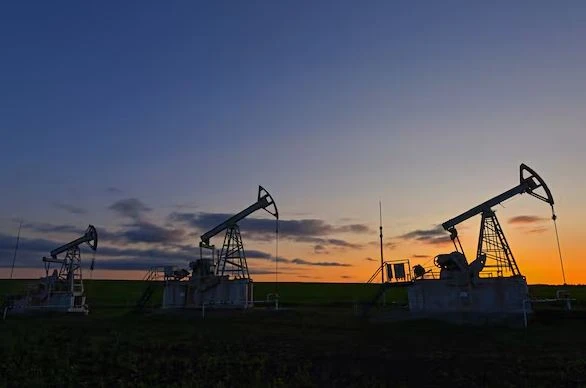
Oil prices rose as Iran escalated its attacks on Gulf countries following U.S. strikes, threatening energy shipments through the Strait of Hormuz.
Brent crude futures reached $78.35 a barrel.
Brent crude futures rose $2.34, or 3.08%, to $78.35 a barrel by 2311 GMT on Sunday, while U.S. West Texas Intermediate crude increased $2.21, or 3.09%, to $73.62 a barrel.
Tehran expanded its strikes early this week to include Qatar and the UAE, while the United States launched more attacks on Iran, the latest in a series of attacks and counterattacks over navigation through the Strait of Hormuz.
U.S. President Donald Trump said on Sunday that the Strait of Hormuz is open for commercial navigation, despite Iran's earlier announcement that it had closed the strait after a vessel deviated from an approved course and was struck. Ship tracking data from Kepler showed that six ships transited the strait on Sunday, the lowest number in a single day in five weeks.
The escalation of attacks cast further doubt on the future of the interim agreement between the United States and Iran signed last month, which aimed to reopen the strait and end the war after another 60 days of negotiations.
Following the agreement, global oil supply rose by 4.1 million barrels per day in June, but remained about 9.4 million barrels per day below pre-war levels, the International Energy Agency said in its monthly report on Friday.
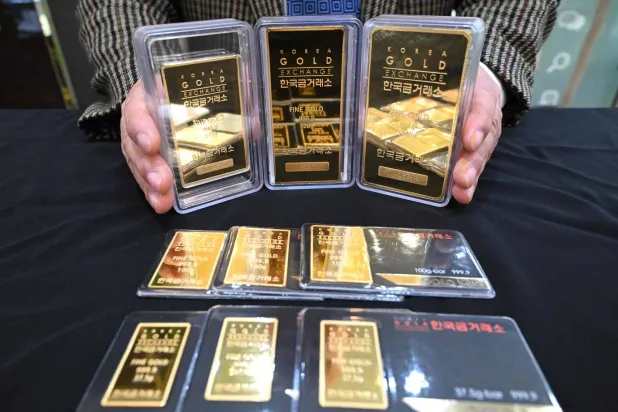
Meanwhile, gold fell more than 1% in early Asian trade on Monday, as fears of a Strait of Hormuz closure sent oil prices sharply higher, reviving expectations of interest rate hikes to combat inflationary pressures.
Spot gold fell 1.2% to $4,072.78 an ounce by 0050 GMT, and U.S. gold futures for August delivery dropped 0.8% to $4,081.70.
Among other precious metals, spot silver fell 1.6% to $58.89 an ounce, platinum dropped 1.1% to $1,610.22, and palladium fell 1.3% to $1,260.15.
U.S. and Iranian forces launched intensive missile and drone attacks over the weekend, with Tehran targeting U.S. facilities in various Gulf countries on Sunday and announcing it had again closed the vital Strait of Hormuz.
Oil prices jumped about 4%, the dollar rose, and Asian stock markets fell as fighting intensified in the Gulf region.
Focus this week will be on Federal Reserve Chairman Kevin Warsh's first semiannual testimony before Congress, along with a raft of key U.S. economic data such as the consumer price index, producer price index, and June retail sales data, as markets seek fresh clues on the economy, inflation, and monetary policy outlook.
The Federal Reserve said on Friday in its monetary policy report to Congress that inflation in the United States "accelerated further this spring, as the growing impact of tariffs and the rise in energy costs related to the war and the boom in artificial intelligence development exacerbated price pressures that became entrenched last year."
Gold traded at a steep discount in India last week due to the impact of price volatility, while demand in China remained steady, with the People's Bank of China in June reporting its largest monthly increase in gold reserves in more than two and a half years.
Original source: Akhbaar24





Comments (0)
Be the first to comment.