Sultanate of Oman informs UN it rejects imposing fees on transit of Strait of Hormuz

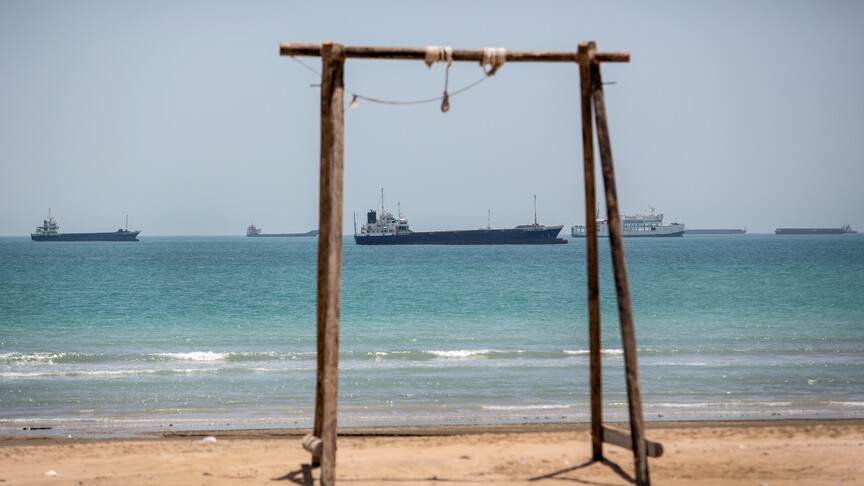
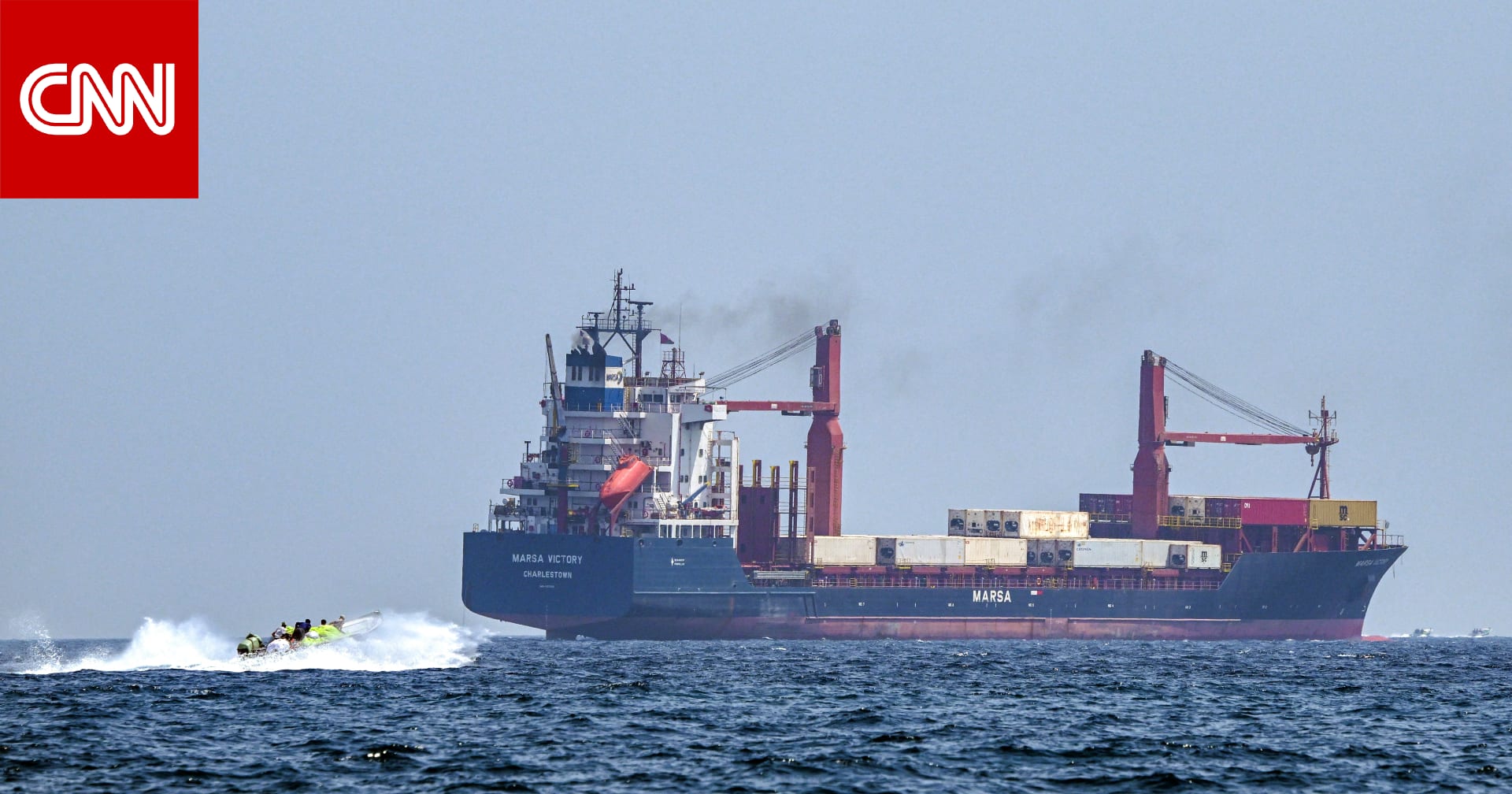
The Sultanate of Oman informed the United Nations' maritime shipping agency that it does not support imposing transit fees in the Strait of Hormuz, a stance that may put the sultanate at odds with Iran, which is pushing to impose navigation fees on passing cargo ships.
During a meeting of the International Maritime Organization, a UN agency, it said: 'Oman reaffirms that the right of transit through straits used for international navigation is guaranteed under international law.'
It added: 'Oman remains fully committed to these legal principles and does not support imposing transit fees on vessels passing through the Strait of Hormuz.'
"Navigation Support Services"
Oman's statements before the International Maritime Organization appear more aligned with the approach favored by the shipping industry, Middle East energy giants excluding Iran, and Western powers. However, it also added that it sees value in exploring what it described as voluntary arrangements regarding navigation support services that could enhance maritime safety, security, and the environment.
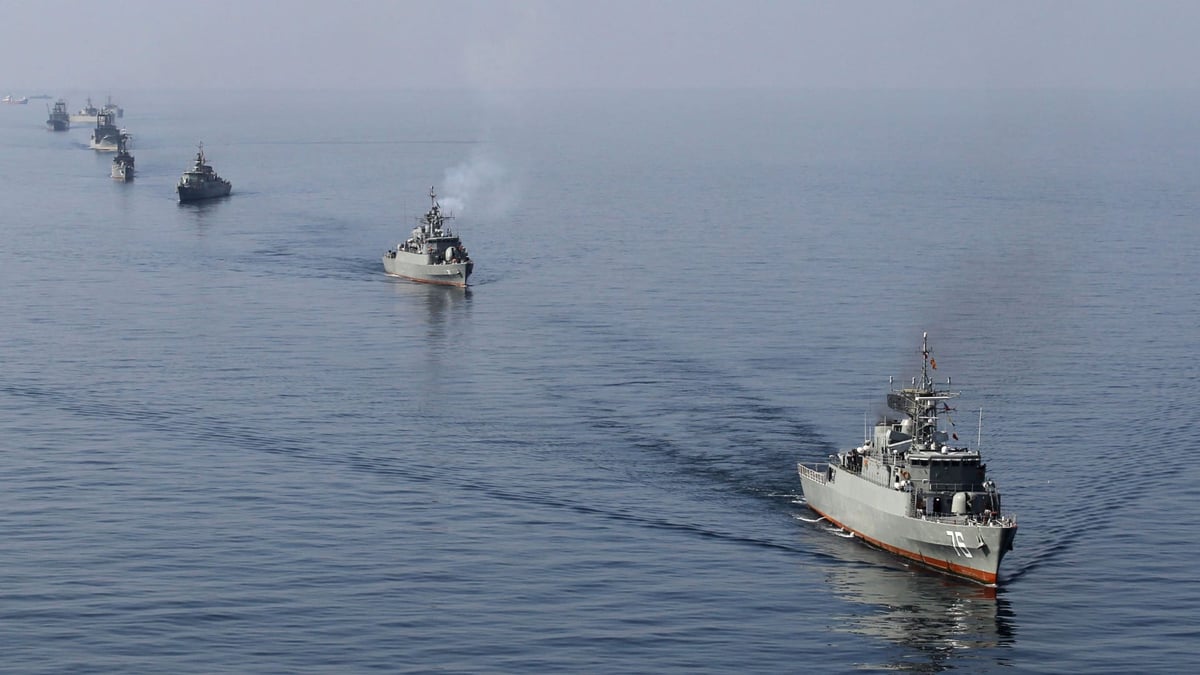
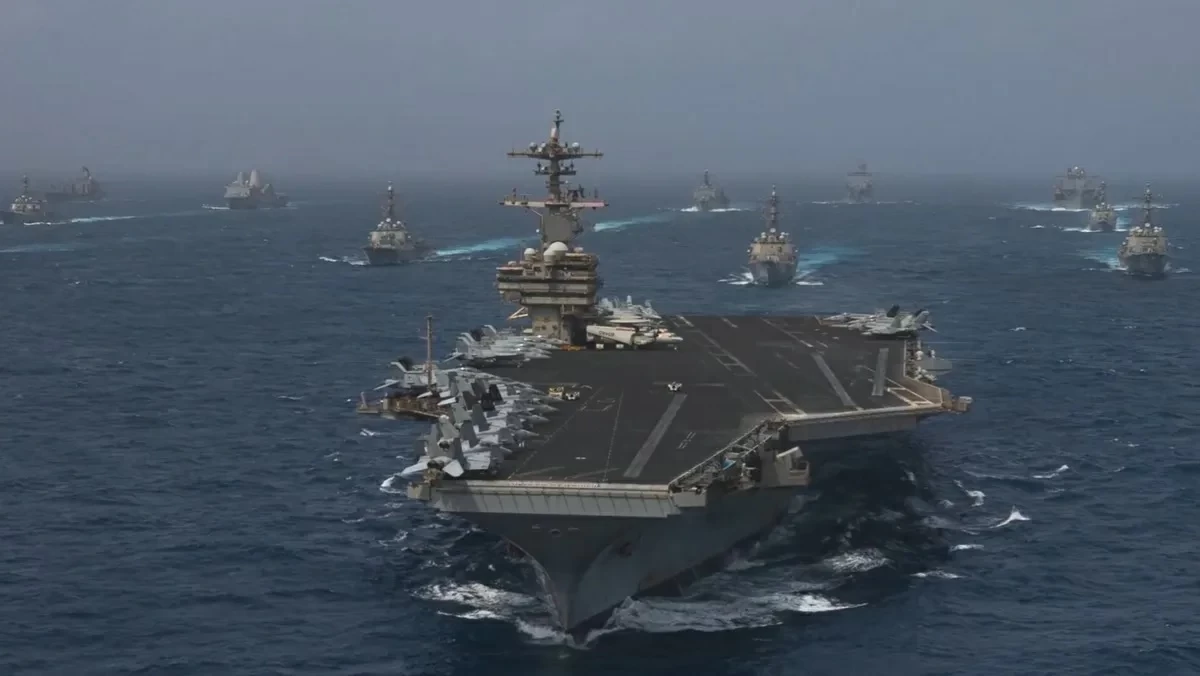
Since the outbreak of the Iran war at the end of February, Tehran has insisted on its rights to control Hormuz and tried to force ships to take a route through the waterway passing north near the country's coast. The United States supported an alternative route near Oman and sought to protect passing cargo ships.
Oman said that any fees would reflect a practice applied elsewhere and would follow international norms.
It clarified: 'These arrangements can be based on best international practices and successful experiences in other strategically important maritime passages.'
Bloomberg reported late last month that Oman informed European officials that there was no way to return to the pre-war situation in the Strait of Hormuz and that transiting ships might have to pay some fees. Omani officials then said they would always adhere to international maritime law.
On Thursday, Oman told the International Maritime Organization that any future understandings on Hormuz must be presented within the framework of international law.
To read the original article, click here.
Original source: Asharq News

Comments (0)
Be the first to comment.