Tabuk Supplies Local Markets with Over 33 Million Flowers Annually
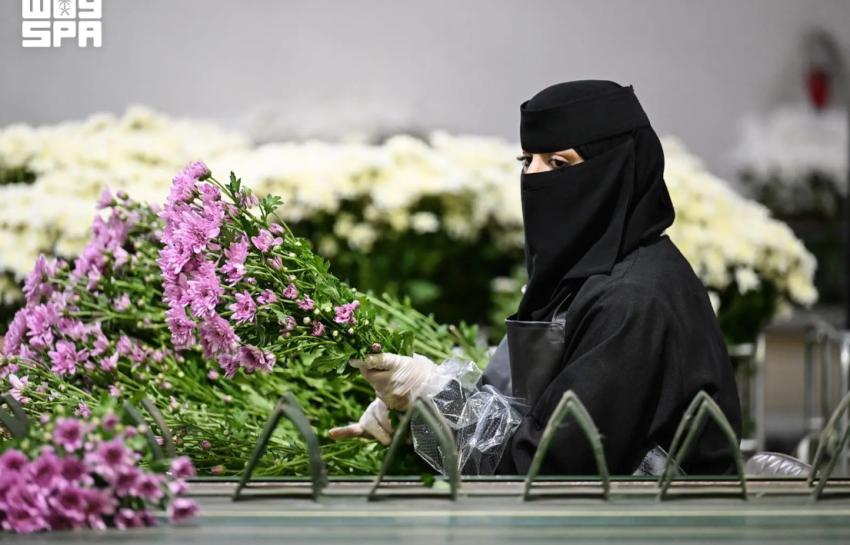
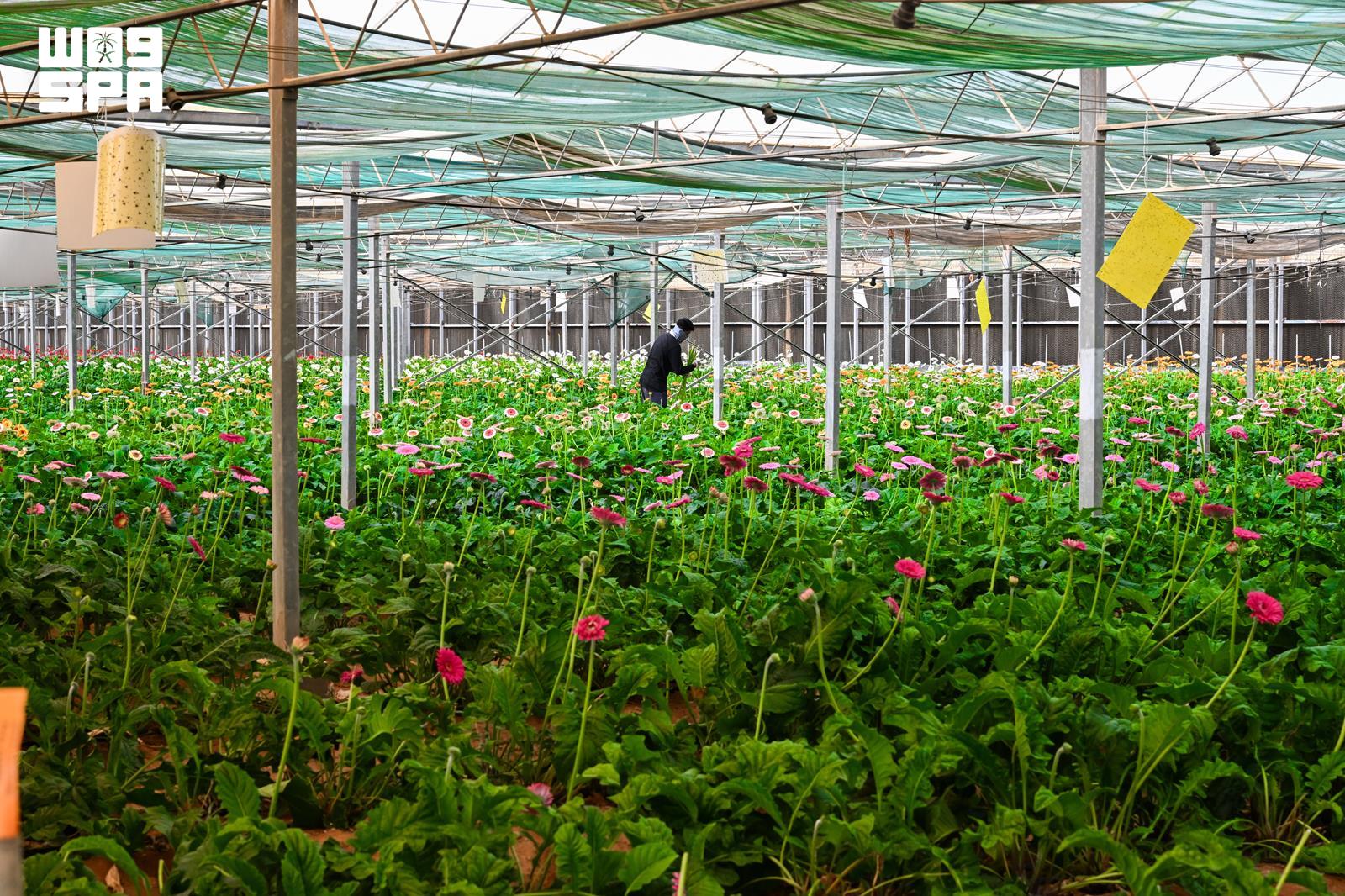
Flower production farms in the Tabuk region supply local markets with more than (33) million flowers annually through an advanced production system that helps meet market needs throughout the year, amid growing demand for local flowers and their multiple economic and tourism uses, as well as in various events and occasions, reflecting the ability of local production to meet various consumer tastes and bouquet designers' needs.
The region's farms produce a diverse variety of flowers and ornamental plants, including chrysanthemum, gerbera, lily, carnation, sunflower, and aster, reflecting the diversity of agricultural production and its ability to meet local market needs.
Chrysanthemum accounts for the largest share of flower production in Tabuk farms, with an annual output of about (8) million flowers, while farms produce about (1) million flowers of gerbera, which is considered a distinctive variety due to its color diversity, long flowering period, and beauty when arranging bouquets.
Engineer Amjad bin Abdullah Thullab, Director General of the Ministry of Environment, Water and Agriculture branch in the Tabuk region, explained that the branch's support for rose cultivation and production comes as an extension of the ministry's efforts to enhance local production and develop the agricultural sector, noting that the Tabuk region has promising agricultural and productive potentials in the field of flower cultivation. He pointed out that the branch works to support farmers and provide services and agricultural guidance, which contributes to developing agricultural practices, raising production efficiency, and improving product quality, stressing the importance of expanding rose cultivation due to the economic and investment opportunities it represents and its role in meeting local market needs and enhancing the presence of agricultural products.
Flower production in the Tabuk region reflects the development of the agricultural sector in the Kingdom, contributing to supporting local products, meeting the needs of various sectors, and creating investment opportunities in ornamental plant cultivation, in line with the goals of Saudi Vision 2030 in enhancing sustainability, development, and improving quality of life.
Original source: Al-Madina



Comments (0)
Be the first to comment.