Report: Two-thirds of Gaza's population could face severe hunger by end of 2026

The Integrated Food Security Phase Classification (IPC), the Food and Agriculture Organization (FAO), and the United Nations Children's Fund (UNICEF) warned Thursday that the limited improvement in the food situation in the Gaza Strip remains fragile, amid continued funding shortages and difficulties in delivering aid, predicting that about 1.4 million people, or 67% of the Strip's population, will face severe levels of food insecurity by next December.
The latest IPC assessment said that more than 1.2 million people in Gaza, equivalent to about 59% of the population, suffered from severe levels of food insecurity during the period from mid-April to the end of last June, including about 212,000 people at the 'Emergency' level, which is the fourth phase in the classification, before the 'Catastrophe or Famine' phase.
The assessment pointed out that levels of acute malnutrition, particularly among children, have declined significantly after an increase in food supplies and nutrition services following the ceasefire in October 2025, but warned that this progress is at risk of reversal as relief agencies cut aid flows due to funding shortages.
74,000 children need treatment for malnutrition
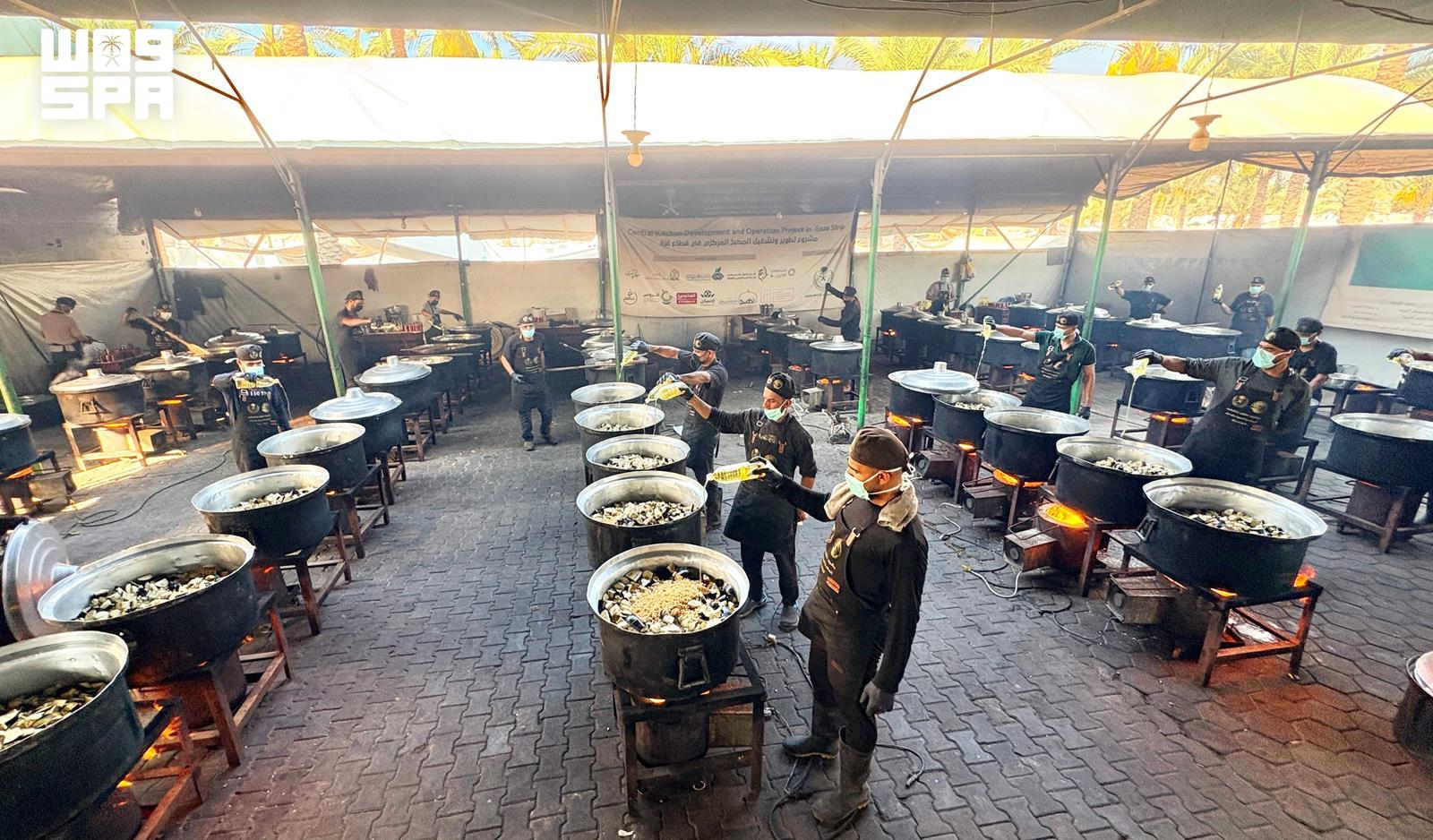
According to the joint assessment, food consumption remains insufficient for most families in Gaza, with some families resorting to searching for food in garbage, indicating the continued fragility of the humanitarian situation despite relative improvement compared to the end of last year.
FAO and UNICEF said that about 1.4 million people in Gaza currently suffer, or may face in the coming months, severe levels of food insecurity, a relative decrease compared to about 1.6 million people, or 77% of the population, at the end of last year, but they stressed that the situation remains critical, especially for young children, the elderly, and the most vulnerable groups.
It is expected that about 74,000 children will need treatment for acute malnutrition over the next year, while about 25,000 pregnant and breastfeeding women will need nutritional support, according to the assessment.
The statement noted that many of those affected live in areas close to Israeli military control lines, where access to aid and humanitarian services remains extremely difficult.
Gaza's population is crowded into the coastal area west of the 'Yellow Line', where most live in tent camps lacking basic necessities and depend on humanitarian aid.
Decline in aid and funding
The Integrated Food Security Phase Classification announced last December that parts of the Gaza Strip no longer suffered from 'famine conditions', retreating from a previous assessment issued in August, but warned in its latest assessment that this improvement could dissipate if the decline in aid volumes and funding continues.
It added that supplementary feeding programs for pregnant and breastfeeding women halved the number of beneficiaries to 6,000 women between January and May of this year, suggesting that any further reductions would increase uncertainty about the ability of relief organizations to operate inside the Strip.
Most of Gaza's population has relied on humanitarian aid since the outbreak of war in 2023, amid repeated displacement and restrictions on aid delivery.
In contrast, the Israeli Foreign Ministry says Israel does not impose restrictions on the entry of food into Gaza, noting that it facilitated the entry of more than 1.8 million tons of food into the Strip since October 2025.
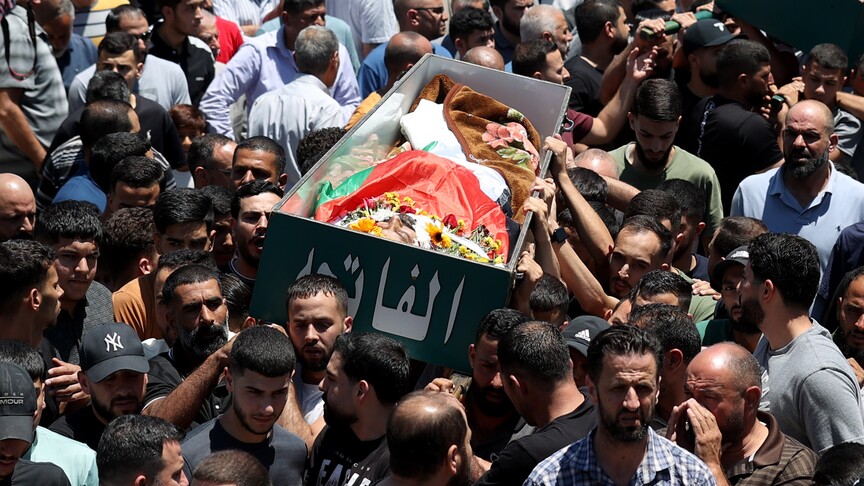
Israeli forces have killed more than 1,100 Palestinians since the ceasefire took effect, most in airstrikes and drone strikes across the Strip.
Original source: Asharq News


Comments (0)
Be the first to comment.