US Imposes New 50% Tariffs on Canadian Products

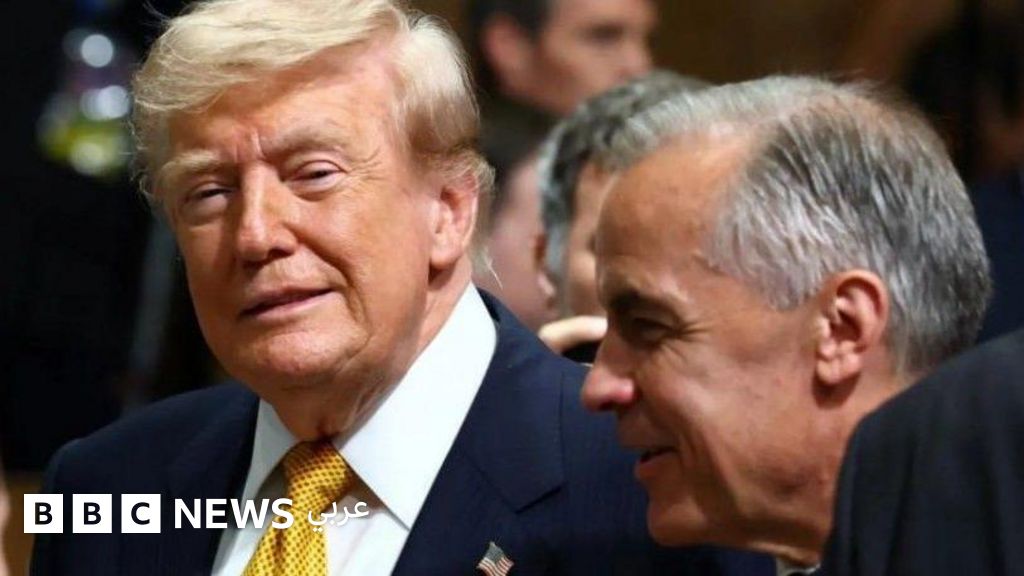
US President Donald Trump on Monday imposed 50 percent tariffs on most Canadian goods, stating that Canada had engaged in unfair discrimination against American cars, alcoholic beverages, and dairy products.
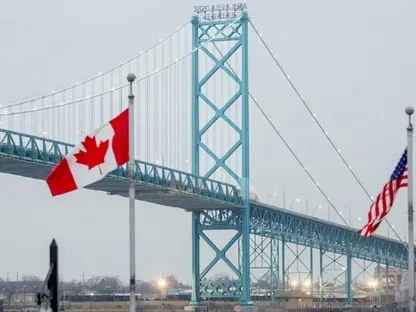
This move could trigger a new wave of economic turmoil, with risks of rising inflation and worsening tensions between the two countries, which had close ties before Trump returned to the White House.
Related news
A US administration official, who reviewed the decision before it was announced, said Canada was among a few countries, along with China, that retaliated against Trump's previous tariffs, and stressed that Canada should be held accountable, according to the Associated Press.
The official explained that Trump signed three presidential proclamations to impose the tariffs under Section 338 of the Tariff Act of 1930. A number of Democratic lawmakers had proposed repealing this section last year, fearing Trump might use it to destabilize the economy.
The 50 percent tariffs will exempt energy products, potash, fish, and critical minerals, but will cover goods that previously enjoyed duty-free status under the United States–Mexico–Canada Agreement.
That agreement, which took effect in 2020, recently expired, triggering a new round of negotiations that could last until 2036.
The official added that Trump also asked his aides to study imposing additional tariffs on Canada, arguing that its wildfires had negatively affected air quality in the United States.
The White House stated in a fact sheet that the tariffs will take effect within 30 days, leaving room for negotiations, as Trump has not always implemented all the tariff increases he announced previously.
Related news
However, these tariffs could escalate into a broader trade war as Canada seeks to defend its economy.
Ontario Premier Doug Ford said in a social media post: "If these tariffs go ahead, Canada must respond with matching tariffs, dollar for dollar."
Scott Lincicome, vice president of general economics at the Cato Institute, a libertarian think tank, said these tariffs not only threaten Canada but also pose a risk to other US trading partners, adding "a tremendous amount of uncertainty" to the global economy.
Lincicome added: "We have passed the point of no return," noting that "resorting to Section 338 is the nuclear option in Trump's tariff policy."
The new tariffs carry significant political and economic risks for Trump ahead of the midterm congressional elections scheduled for November. His "Liberation Day" tariffs imposed last April caused severe market turmoil due to fears of rising inflation and recession, prompting him to temporarily back down and allow room for negotiations.
Original source: Sky News Arabia



Comments (0)
Be the first to comment.