Trump Imposes 50% Additional Tariffs on Canadian Products.. Carney: Ready to Negotiate

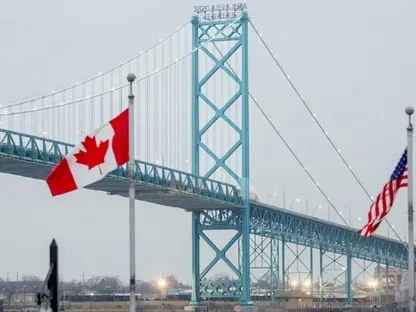
The United States imposed new 50% tariffs on certain Canadian products, in response to what the White House described as "trade discrimination" by Canada against American automobiles, alcoholic beverages, and dairy products. Meanwhile, Canadian Prime Minister Mark Carney said Ottawa is ready to negotiate.
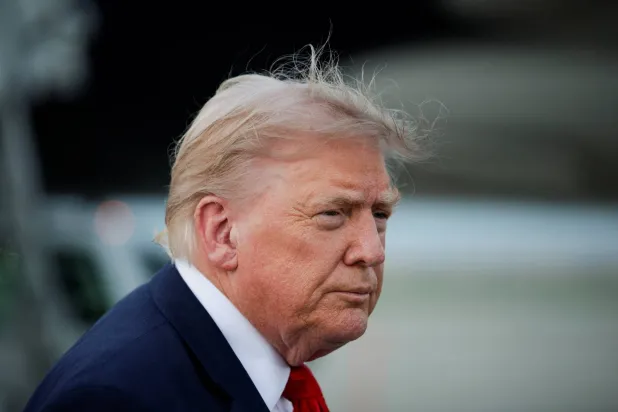
U.S. President Donald Trump signed three presidential proclamations to impose the tariffs under Section 338 of the Tariff Act of 1930, a trade law dating back nearly a century that allows tariffs of up to 50% on imports from countries whose practices are deemed discriminatory against U.S. trade.
The products subject to the tariffs include a variety of goods, from wine and hockey sticks to cement, according to a White House fact sheet.
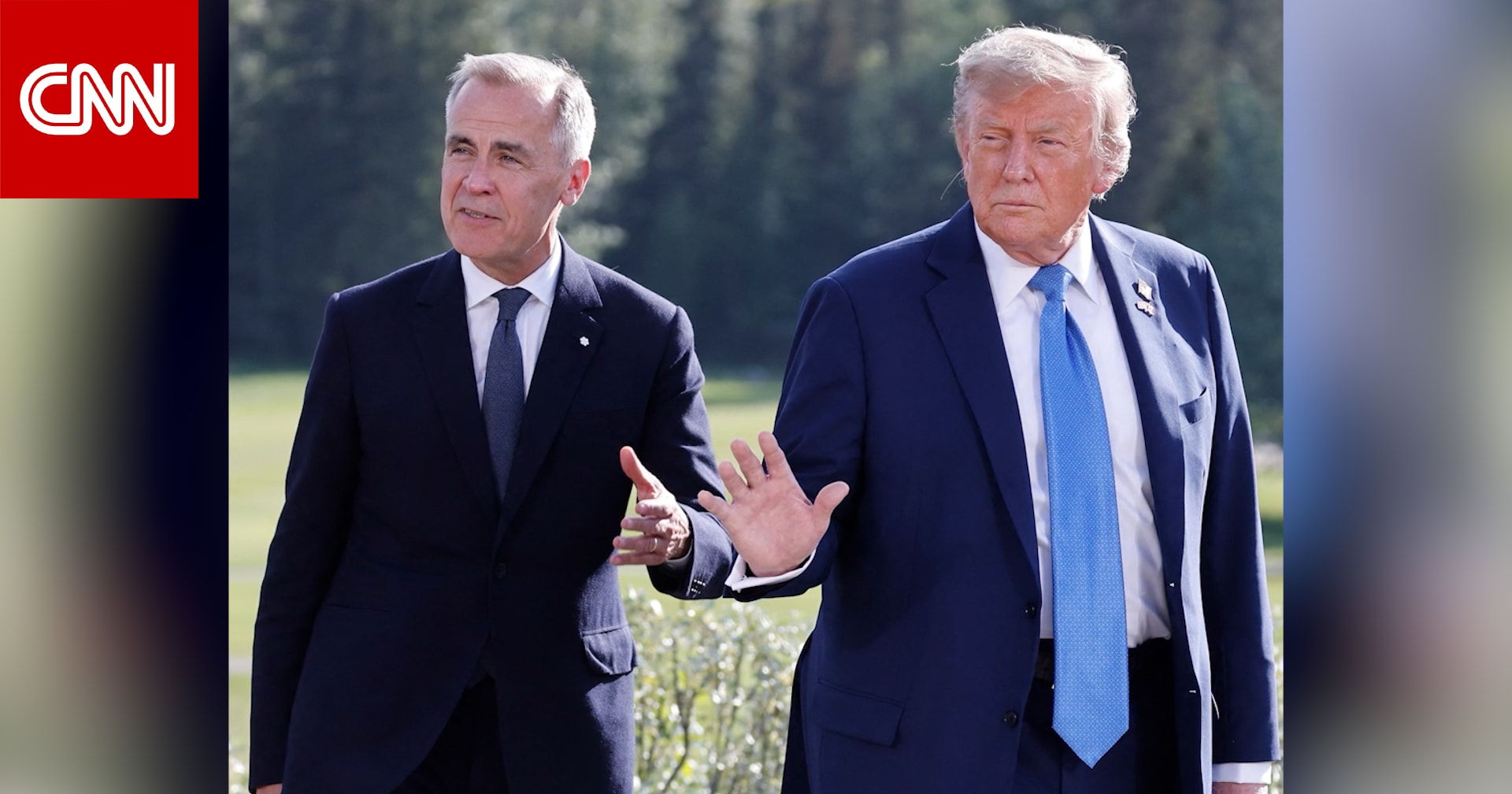
For his part, Canadian Prime Minister Mark Carney said Ottawa is ready to negotiate with the United States regarding the new tariffs while protecting its economic interests.
He added in a statement posted on platform "X" that the Trump administration announced new 50% tariffs on a large number of Canadian goods, part of unilateral trade actions Canada considers a violation of the free trade agreement between the two countries and Mexico (CUSMA).
He explained that Canada will continue to defend its workers, farmers, and businesses, stressing that over the past 18 months it has submitted proposals to resolve the dispute and modernize the agreement, and that it is ready to intensify negotiations in the coming period.
He affirmed Canada's commitment to free and fair trade, indicating its readiness to address outstanding issues with Washington for mutual benefit.
A senior U.S. administration official said the new tariffs will take effect after 30 days, noting exemptions for some key imports such as energy, potash, fish, and critical minerals, as well as goods already subject to separate sectoral tariffs including automobiles and metals, according to Bloomberg.
Growing Tensions
The official added that there would be no exemptions for goods covered by the United States-Canada-Mexico Agreement (USMCA), and that Trump signed a presidential proclamation on Monday to impose the tariffs.
Section 338 of the Tariff Act of 1930 is a provision never before used to impose tariffs, although it gives the U.S. president the authority to levy tariffs of up to 50% on imports from countries whose practices are deemed discriminatory against U.S. trade.
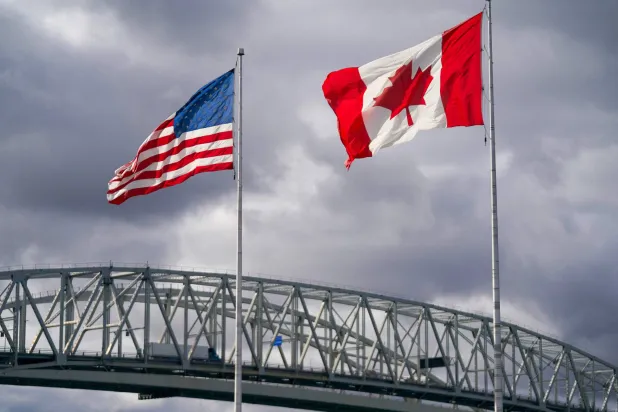
This move is likely to increase tension in relations between the United States and Canada, two traditional allies.
Last week, Trump threatened to raise tariffs on Canadian products to punish Ottawa for wildfire smoke he said covered American cities, including New York and Washington. However, the U.S. official confirmed the new decision is not related to the wildfires, though the administration continues to study other options in this regard.
Trade relations between the two countries have also become more complicated after the United States earlier this month refused to extend the United States-Canada-Mexico Agreement (USMCA), paving the way for negotiations that may last years and be marked by disputes.
The United States-Mexico-Canada Agreement, known as USMCA, will remain in effect for another decade unless any country decides to withdraw.
The choice not to renew for a longer period opens the door to years of contentious negotiations over rules governing continent-wide supply chains and low tariff levels vital to automakers, farmers, retailers, and energy companies.
Under the agreement, the United States, Mexico, and Canada must unanimously decide whether to renew it for a new 16-year term.
Original source: Asharq News


Comments (0)
Be the first to comment.